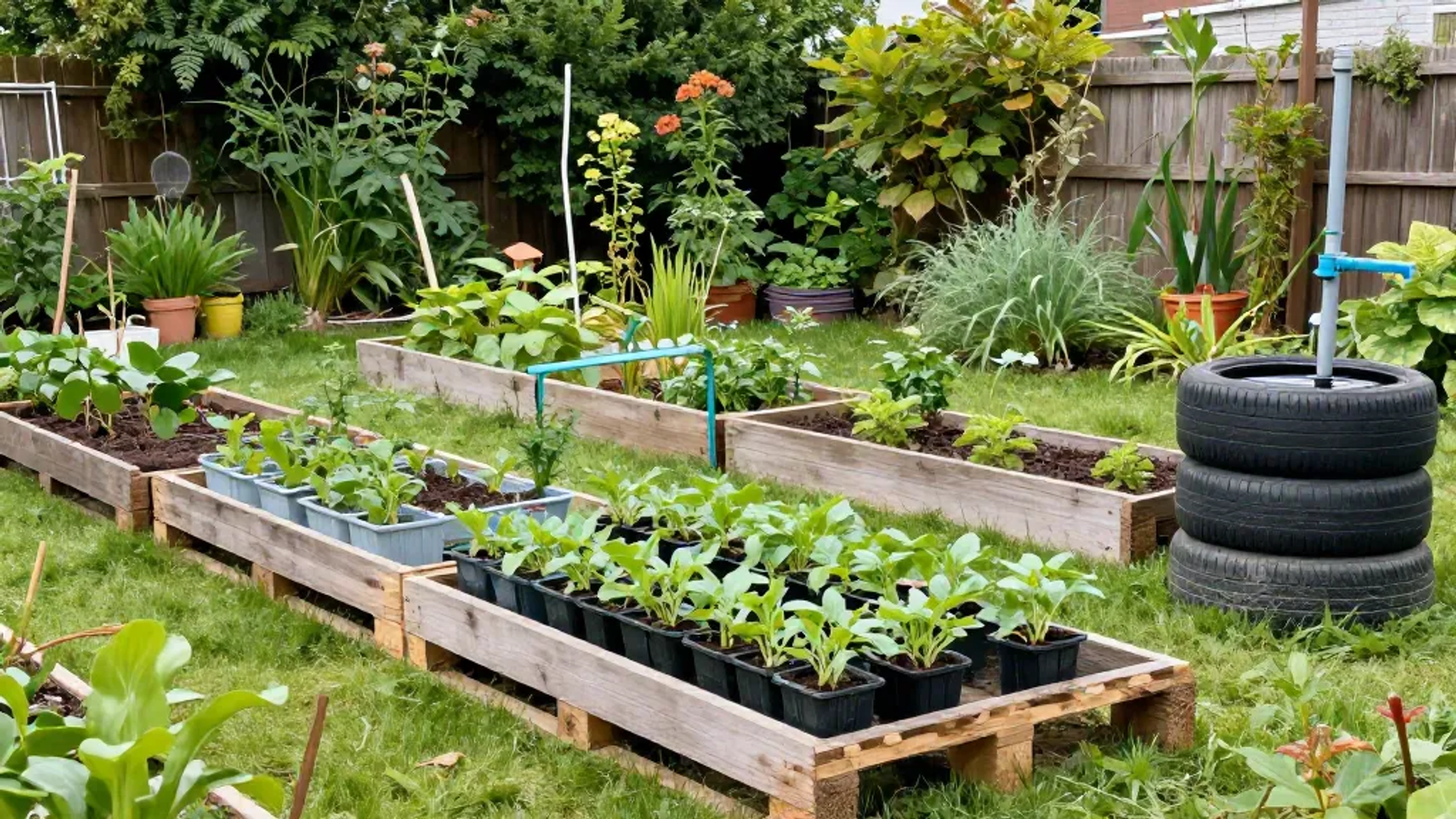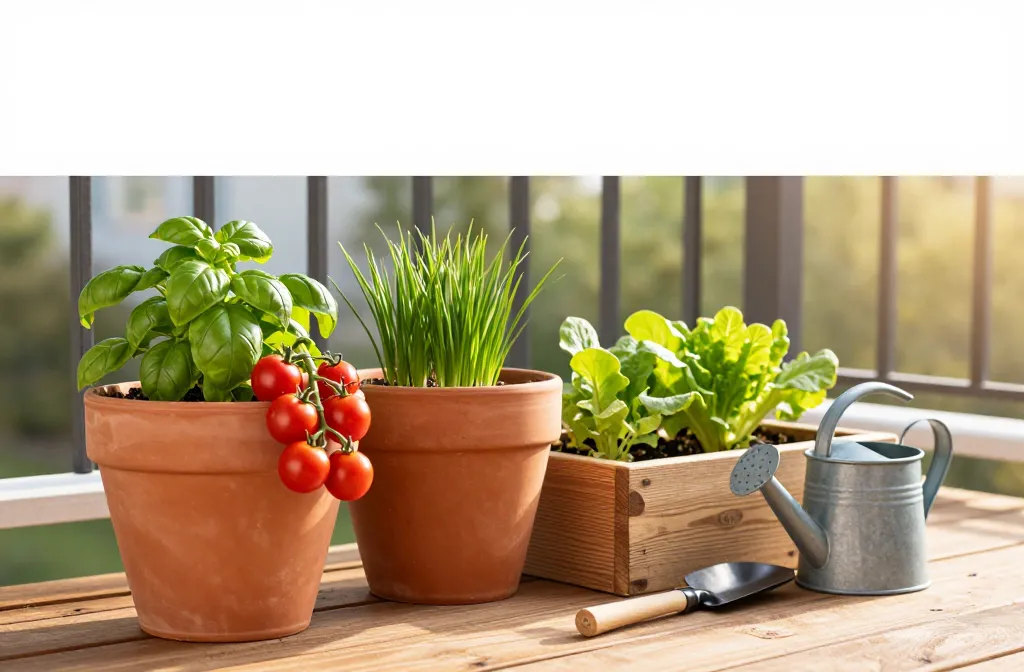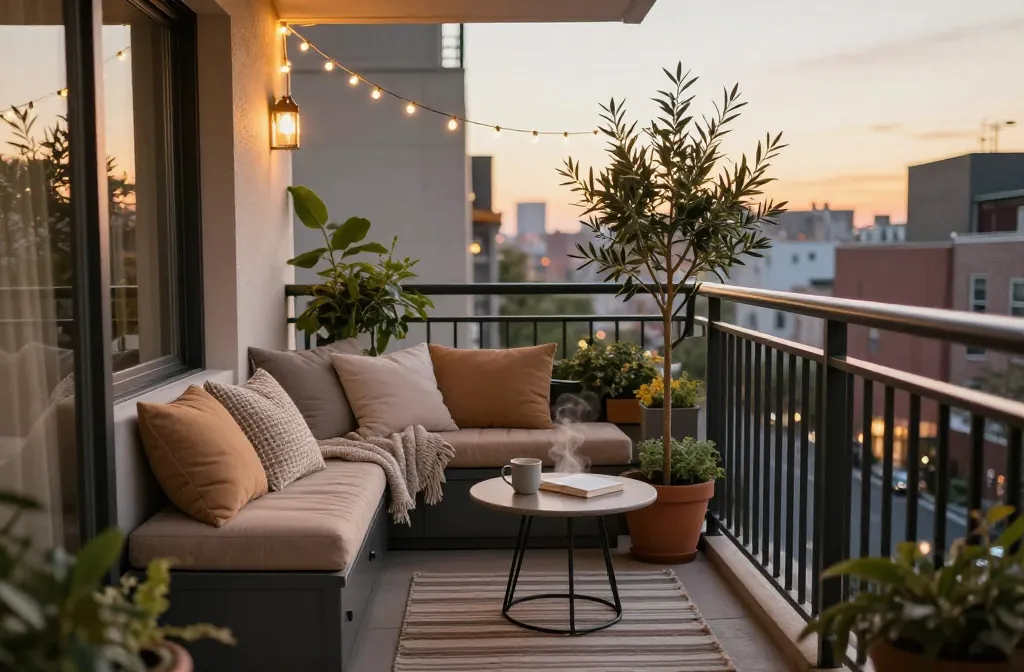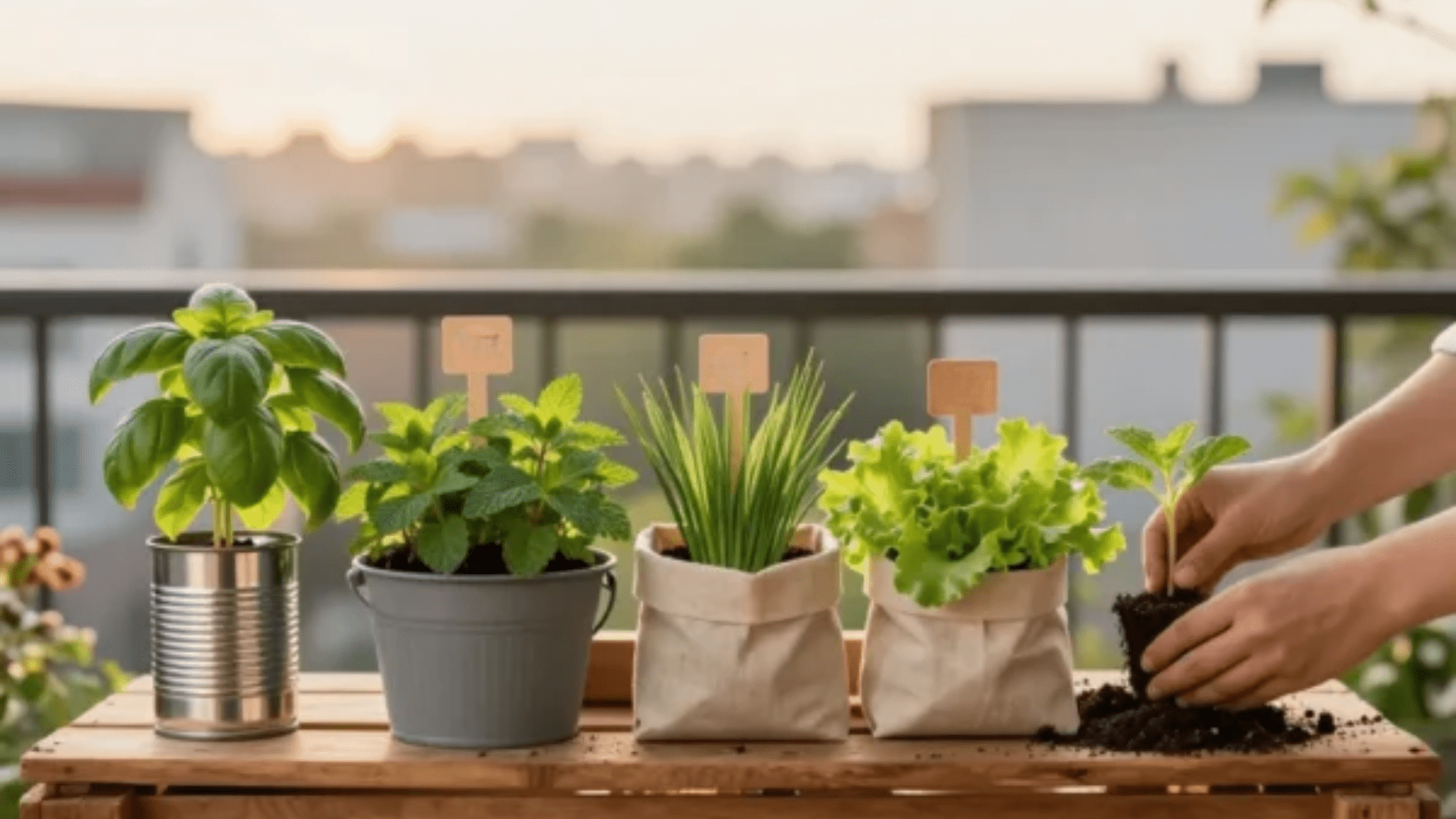


Building your first garden structure can feel overwhelming if you do not have a solid plan. Choosing the right spot and size is the first step toward a successful harvest. These 12 layout concepts for a beginner basic vegetable garden layout will show you how to organize your space effectively. You will learn about square foot gardening and other simple methods to keep your plants healthy and reachable.
1. Traditional In Ground Row Planting
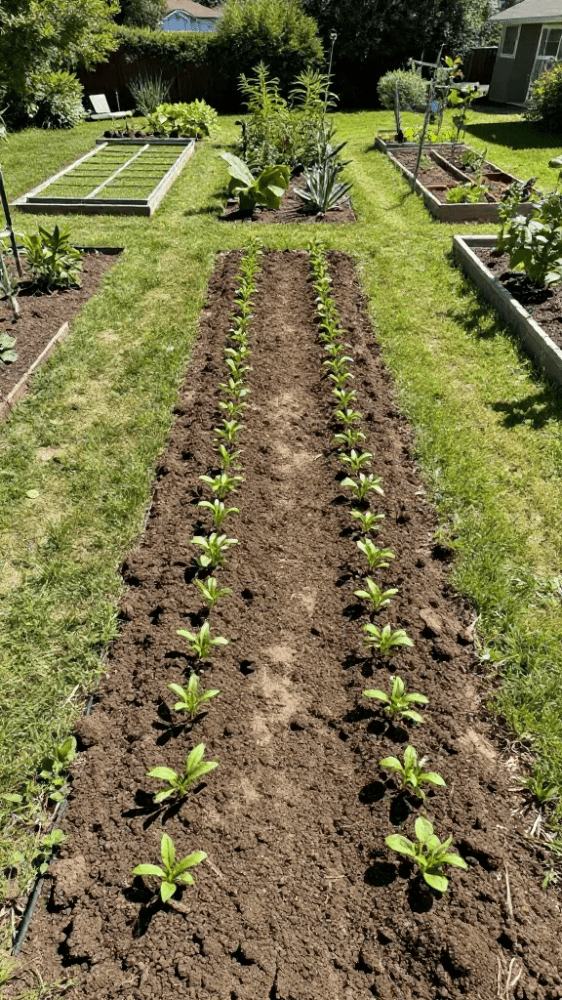
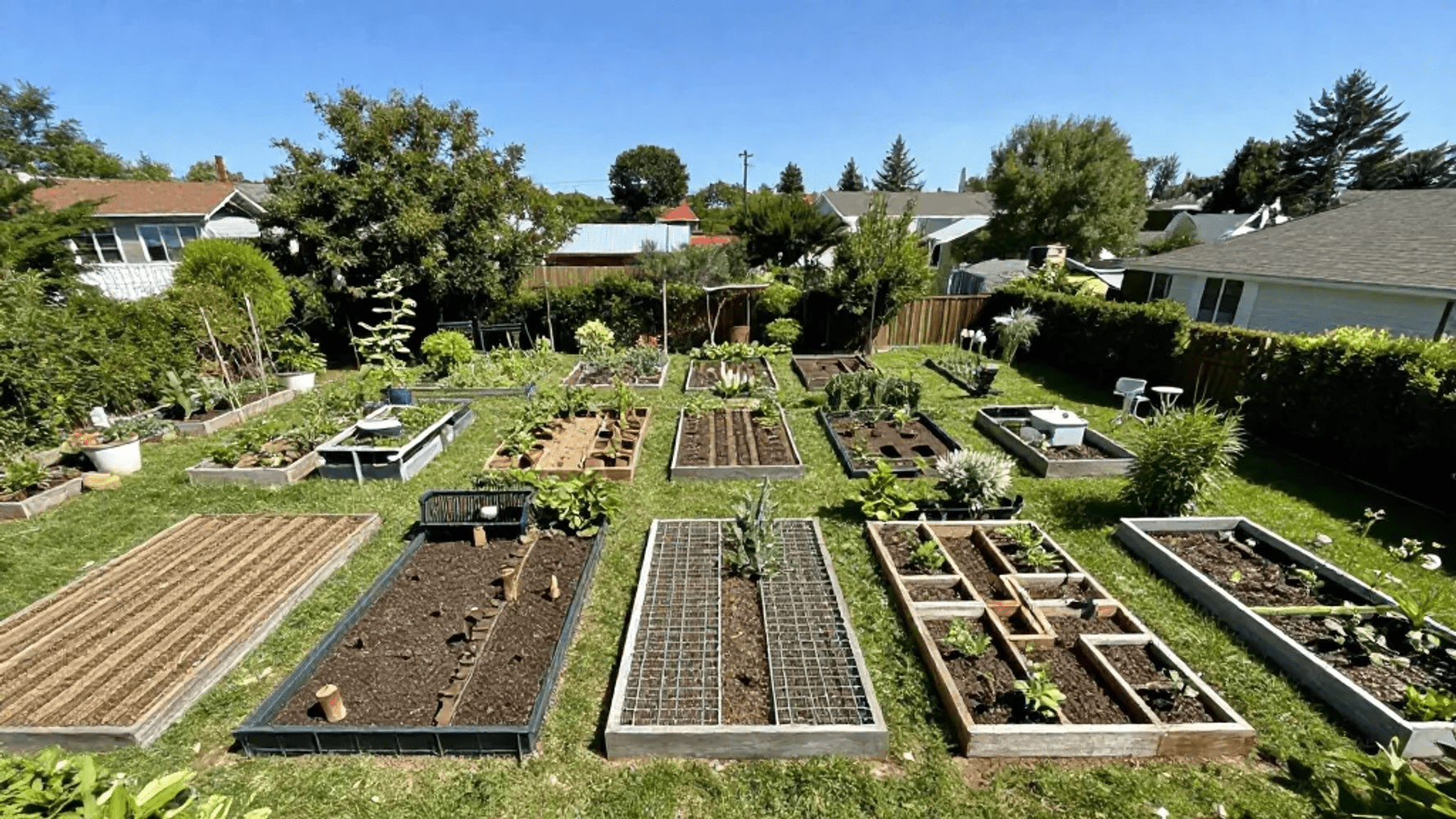
If you have plenty of backyard space and want to maximize your harvest without spending a fortune on materials, sticking to the dirt is the way to go. This classic approach is often the best garden layout for beginners because it removes the barrier of building expensive raised beds or complex irrigation systems.
You simply till or dig long strips directly into the earth and leave enough room between them for your feet. This setup allows you to use larger tools like tillers or wheelbarrows right in the aisles, which makes managing a big crop of corn or potatoes much easier. It’s the most straightforward method to scale up if you decide you want to grow enough food to last through the winter.
To get started, mark your rows with simple twine and stakes to keep things straight and organized. Since the plants are in the ground, you’ll need to stay on top of mulching with straw or wood chips to keep weeds from taking over your paths. It is a practical best garden layout for anyone who prefers a functional, no frills space that focuses purely on production and soil health.
2. Efficient Square Foot Gardening Grids
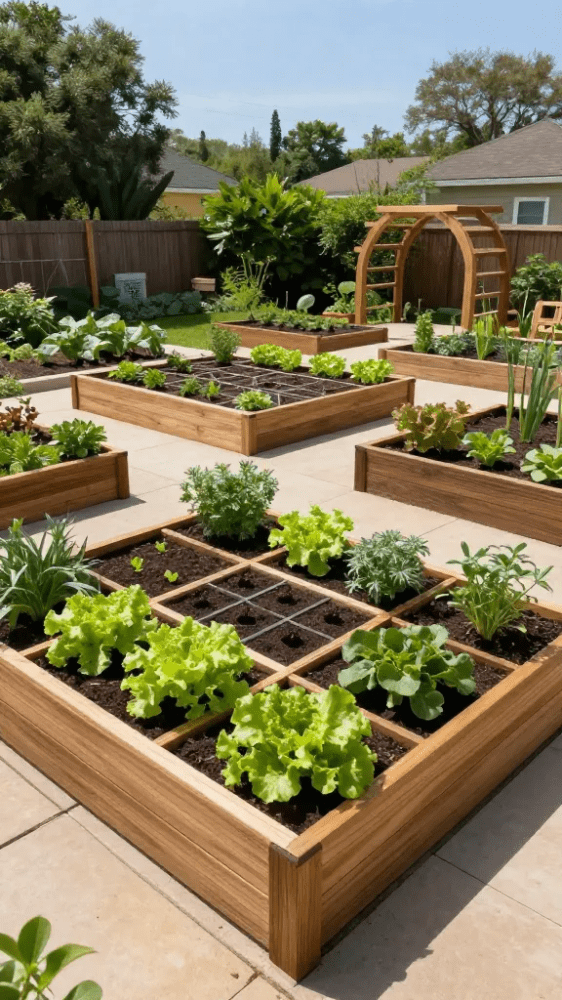
Imagine you have a small raised bed but want to grow enough salad greens to last all summer. Instead of planting long, messy rows, you divide your space into a grid of one-foot squares using lath or twine.
| Crop Type | Plants Per Square | Spacing Goal |
|---|---|---|
| Large (Cabbage) | 1 | Maximum root room |
| Medium (Lettuce) | 4 | Balanced leaf spread |
| Small (Carrots) | 16 | High density yield |
This method is widely considered the best garden layout for beginners because it removes the guesswork of spacing. You simply follow a cheat sheet to know exactly how many seeds fit in each square. We also used this square and it made it really fun and easy with the kids:

By keeping plants close together, you naturally shade the soil which prevents weeds from taking over. It keeps your structure organized and ensures you don’t waste expensive seeds on a patch of dirt that’s too big.
This setup works perfectly for wooden raised beds or even fabric containers. It’s the best garden layout for anyone who wants a high yield without spending hours weeding every single weekend.
3. Raised Bed Geometric Patterns
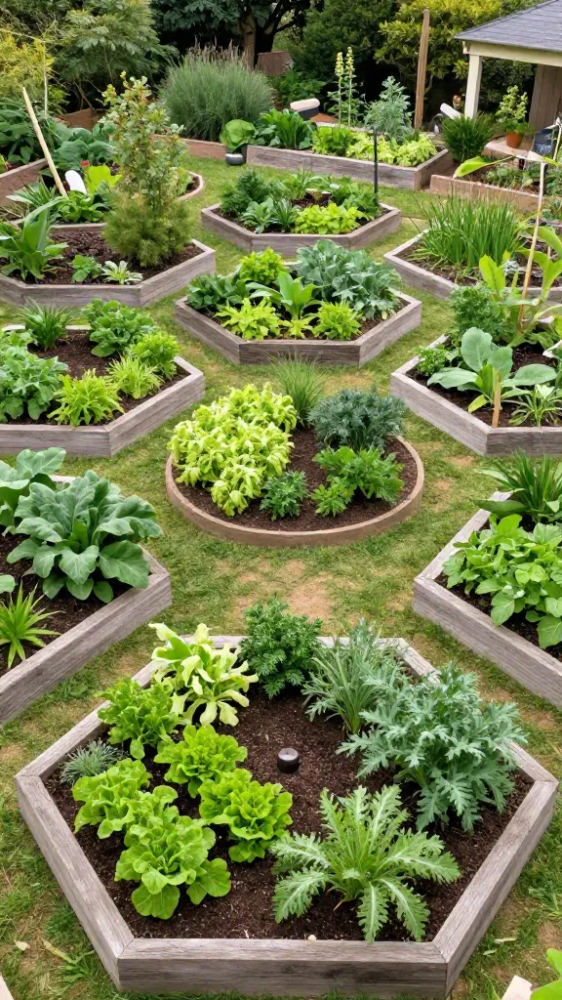
Standard rectangles are boring and often waste space in a Small Vegetable Garden Layout. You can maximize your harvest by arranging beds in a U-shape or a circular pattern instead.
These geometric designs create a central focal point and keep everything within arm’s reach. You’ll spend less time walking and more time actually tending to your plants.
Try building four triangle beds that point toward a center herb pot to create a Maltese cross design. This layout is perfect for a Small Vegetable Garden Layout because it eliminates wasted corner space.
Hexagons are also great because they fit together like a honeycomb to prevent awkward gaps. This structure looks professional and keeps your soil organized without requiring a massive backyard.
4. Small Vegetable Garden Corner Layouts
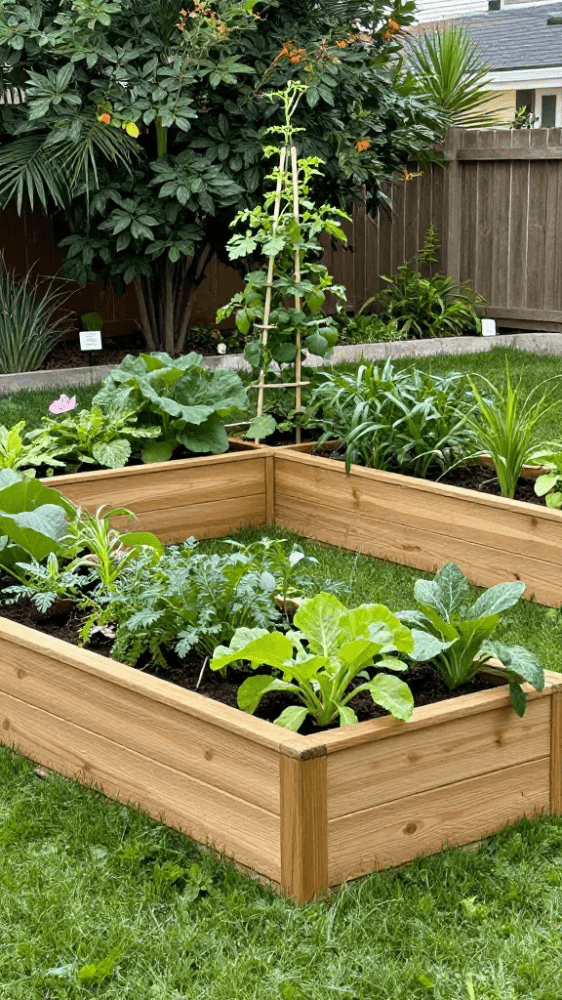
Most backyards have an awkward corner that just collects weeds or old lawn chairs. You can turn that dead space into a Small Vegetable Garden Corner Layout by using an L-shaped raised bed to maximize your footprint.
This setup lets you reach every plant from the front without stepping on the soil and compacting it. It’s a smart way to squeeze fresh produce into a tiny yard while keeping the center of your lawn open for kids or pets.
- Plant taller crops like cherry tomatoes or trellised cucumbers in the very back corner so they don’t shade out your smaller greens.
- Install a simple drip line along the “L” shape to ensure the back corner gets enough water without you having to stretch.
- Place heavy feeders like peppers in the widest part of the corner where the soil depth is usually most consistent.
Tucking your greens into a corner creates a natural windbreak that helps delicate seedlings thrive during early spring. It’s the most efficient use of space for anyone starting a Small Vegetable Garden Corner Layout on a tight budget.
5. Vertical Trellis and Tower Systems
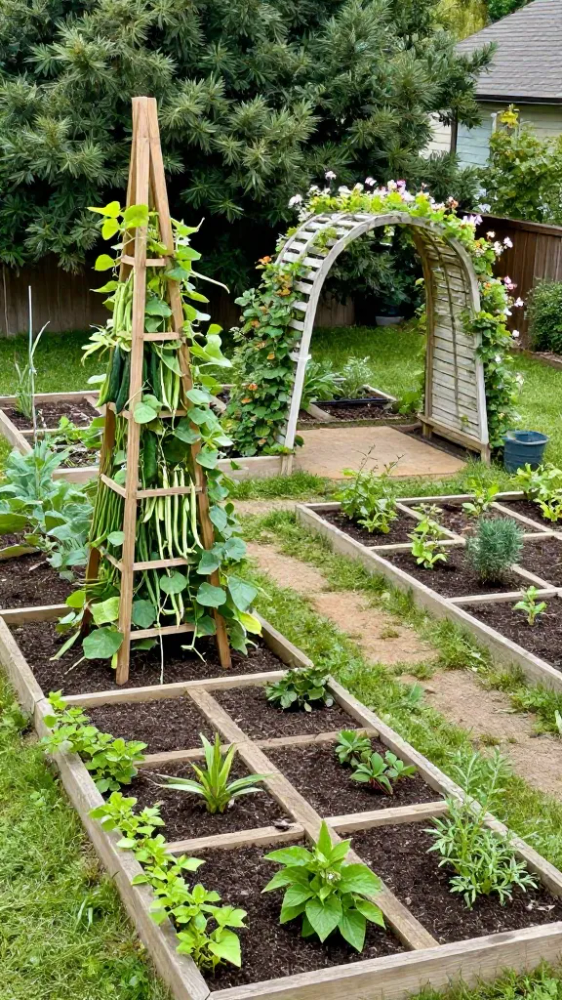
If you’re working with a tiny backyard or just a small balcony, you have to stop thinking about your square footage on the ground. You can actually double your growing space by training plants to climb A-frame trellises or cattle panel arches.
I usually suggest starting with simple cedar towers for heavy crops like pole beans or cucumbers. These structures keep your fruit off the dirt, which means fewer pests and much easier harvesting on your back.
When you’re planning your garden layout ideas, place these taller structures on the north side of your beds. This prevents your tall tomato towers from casting a permanent shadow over shorter herbs or lettuce plants.
You can even use a vertical cattle panel to create a living tunnel that looks beautiful and stays functional. It’s a smart way to make a small space feel much larger than it actually is while keeping your garden organized.
6. The Keyhole Garden Circle Design
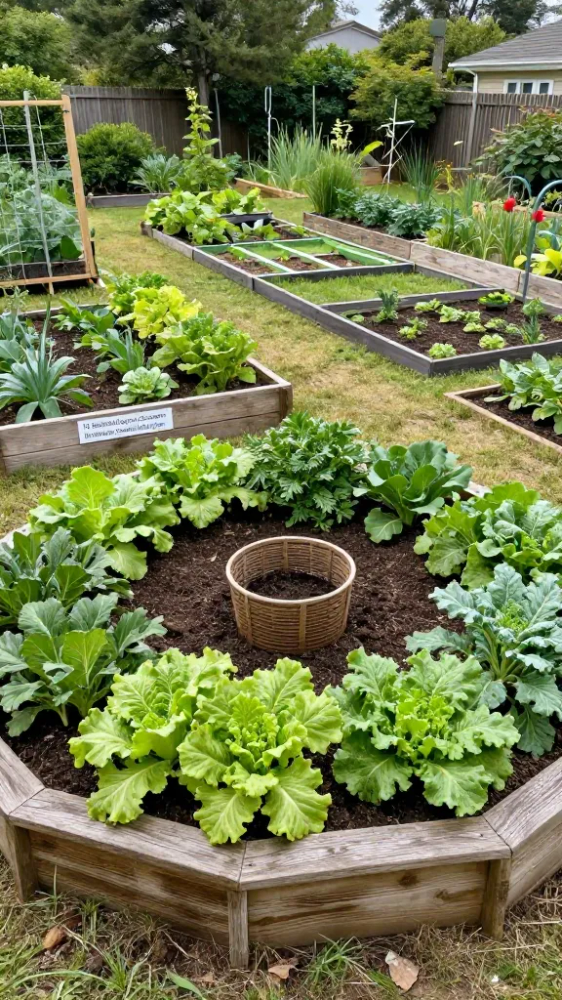
This layout is basically a circular raised bed with a small wedge cut out so you can reach the center without stepping on your soil. It usually features a compost basket right in the middle, which lets nutrients soak directly into the roots of your vegetables.
It’s one of the most efficient garden layout ideas because it recycles kitchen scraps while keeping your plants hydrated. The circular shape holds heat well and minimizes the amount of walking you have to do to harvest your crops.
- The central wire basket holds your vegetable peels and coffee grounds to feed the soil constantly.
- The notched walkway allows you to stand in the center of the circle and reach every single plant easily.
- Sloping the soil downward from the center helps water drain naturally toward the outer edges of the bed.
- Stone or brick outer walls retain moisture and provide a sturdy seat while you prune or weed.
You can build these using recycled materials like old bricks or cedar planks. They work perfectly for small yards where you want to grow a ton of food in a tiny footprint.
7. Companion Planting Block Arrangements
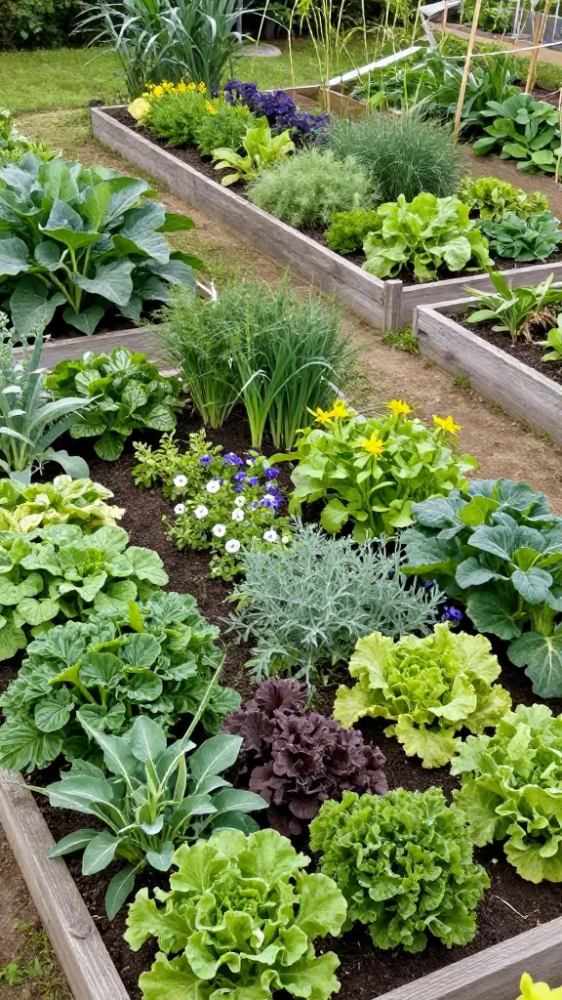
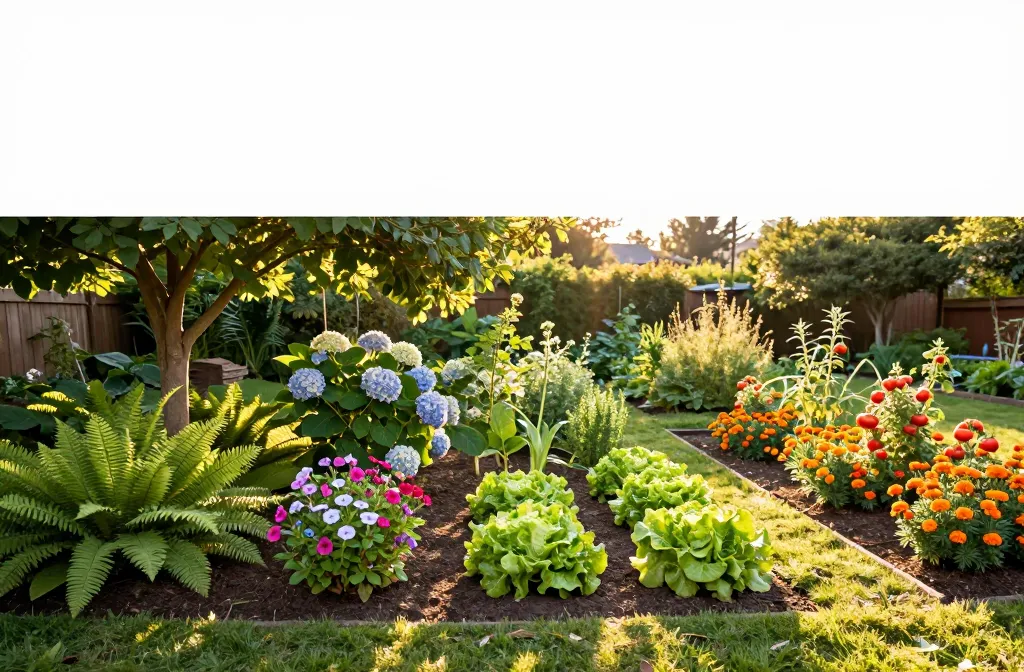
Traditional row gardening often leaves massive gaps of bare soil that invite weeds and moisture loss. You can choose to stick with those straight, single-species lines or switch to a Companion Planting Block Arrangement instead.
Rows are easier for mechanical tilling, but they don’t protect your crops from pests very well. In an In Ground Garden Layout, grouping plants like tomatoes, basil, and marigolds together in a dense square creates a living mulch.
I always recommend the block method because it maximizes every inch of your In Ground Garden Layout. You’ll spend much less time weeding and your soil stays significantly cooler during July heat waves.
Try placing tall corn blocks on the north side to act as a windbreak for delicate peppers. This clustered approach mimics how plants actually grow in nature, leading to much healthier harvests.
8. Compact Tiered Planter Boxes
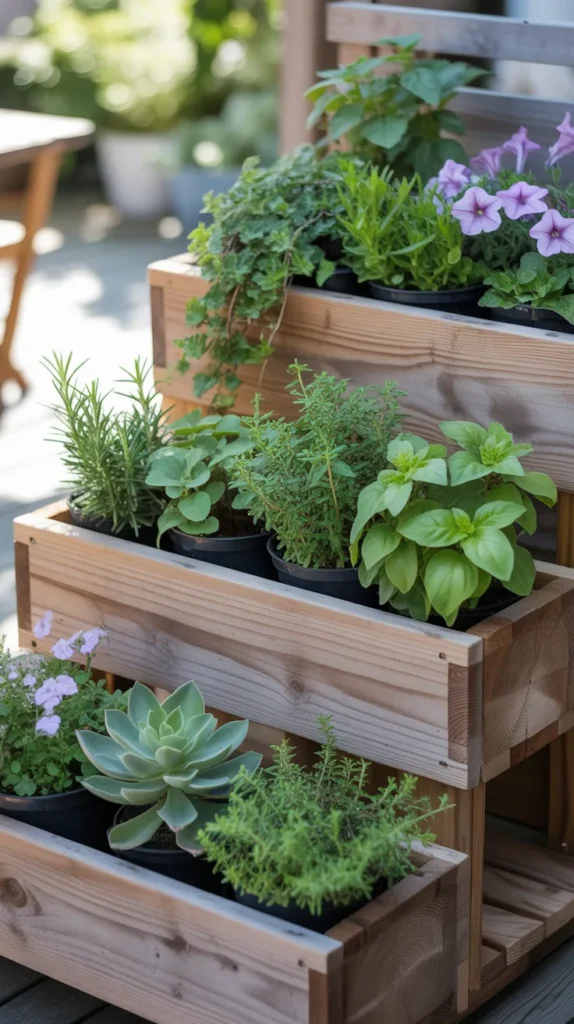
Vertical space is your best friend when you have a tiny patio or a backyard that feels cramped. These stacked setups let you grow three times the amount of food in the same footprint as a standard in ground garden layout.
The design usually looks like a set of wooden stairs with deep troughs for soil on every step. You can build these out of cedar or redwood to make sure they last against the moisture. It keeps your herbs and greens off the floor where pests like slugs usually hang out.
You should put your tallest plants like kale or peppers in the top tier so they don’t shade out the smaller stuff. Use the bottom levels for trailing plants like strawberries or thyme that can spill over the edges. It’s much easier on your back than a traditional in ground garden layout because you aren’t bending over as far to weed.
9. High Yield Wide Row Planting
| Feature | Single Row | Wide Row |
|---|---|---|
| Space Efficiency | Low | High |
| Weeding Time | High | Low |
| Harvest Yield | Standard | Triple |
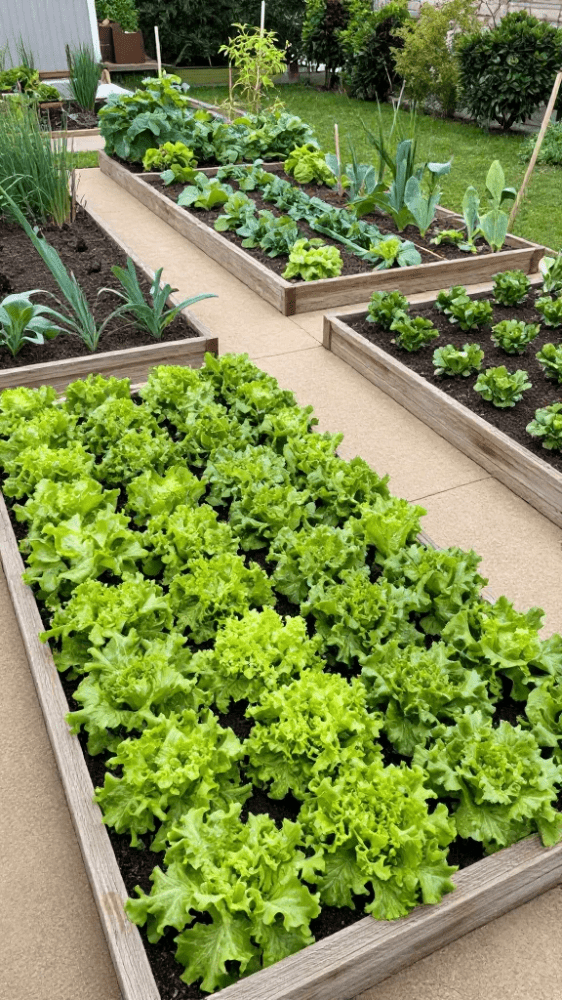
Imagine you’re sowing a packet of lettuce seeds in a thin, straight line. You end up wasting a lot of path space just to reach that one skinny row.
Instead, try broadcasting your seeds across a band that is twelve to eighteen inches wide. This creates a dense carpet of greens that shades the soil and keeps weeds from popping up.
It’s a great middle ground if you find Square Foot Gardening a bit too tedious to map out. You get the high density of Square Foot Gardening without having to measure every single inch.
Root crops like carrots and radishes thrive in these blocks because they can grow side by side. You’ll spend much less time hauling a hose around since your plants act as a living mulch.
10. Curved Pathways for Natural Flow
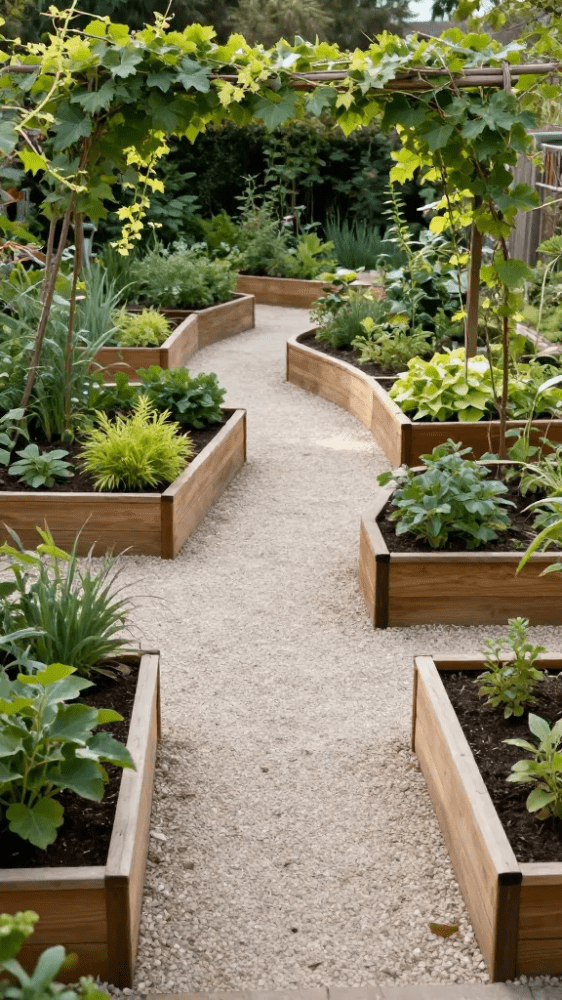
Straight lines are the fastest way to make a garden feel stiff and artificial. When you design curved pathways, you force the eye to slow down and appreciate the different zones of your outdoor space. This layout works perfectly when you are trying to integrate Square Foot Gardening beds into a smaller yard.
Soft arcs allow you to tuck planting boxes into the natural bends of the trail. This prevents the garden from looking like a rigid grid of wooden boxes. You can use simple materials like crushed gravel or wood chips to define these winding routes without spending a fortune.
A gentle curve also creates a sense of mystery because you cannot see the entire path at once. This trick makes a tiny backyard feel much larger than it actually is. It creates a natural flow that invites people to walk through the space rather than just looking at it from the back door.
Try using a garden hose to map out the curves on the ground before you start digging. This lets you test the walking width to ensure it is comfortable for a wheelbarrow or garden cart. It is a simple way to balance the structured nature of Square Foot Gardening with a relaxed, organic atmosphere.
11. Intensive Close Spacing Garden Beds
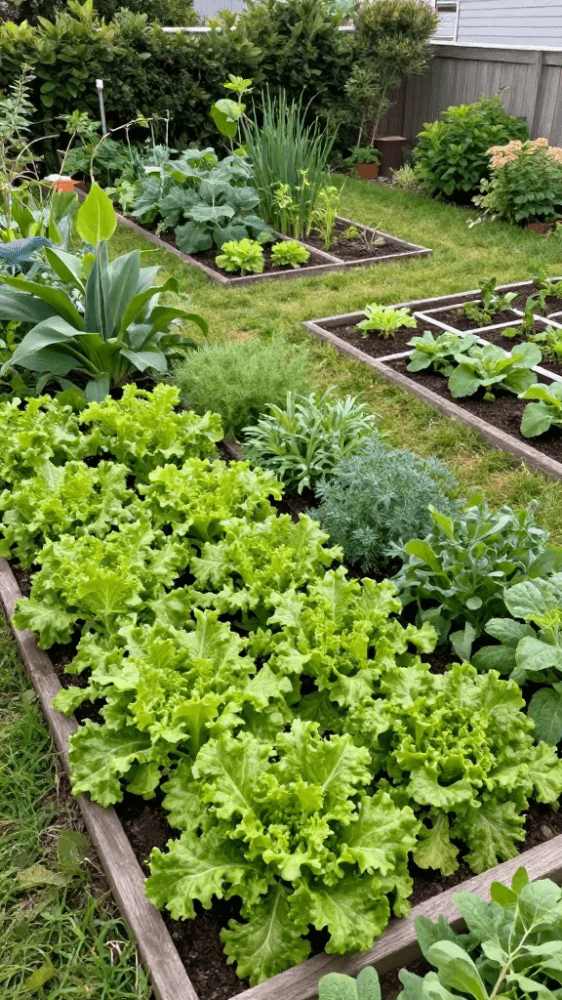
You can fit way more food into a small space by ditching the traditional row method. Instead of leaving wide paths between every single line of plants, you’ll pack your crops into wide beds so their leaves just touch at maturity.
This creates a living mulch that shades the soil and keeps it moist during hot spells. It also leaves zero room for weeds to take hold, saving you hours of tedious pulling every weekend.
- Stagger your plants in a triangular pattern rather than straight squares to maximize every inch of soil.
- Stick to beds no wider than four feet so you can reach the middle without stepping on and crushing the dirt.
- Mix fast growing radishes between slow growing peppers to get two harvests from the exact same patch of ground.
Focusing your water and compost on these dense pockets makes your entire backyard much more productive without extra work.
12. Container Garden Cluster Layouts
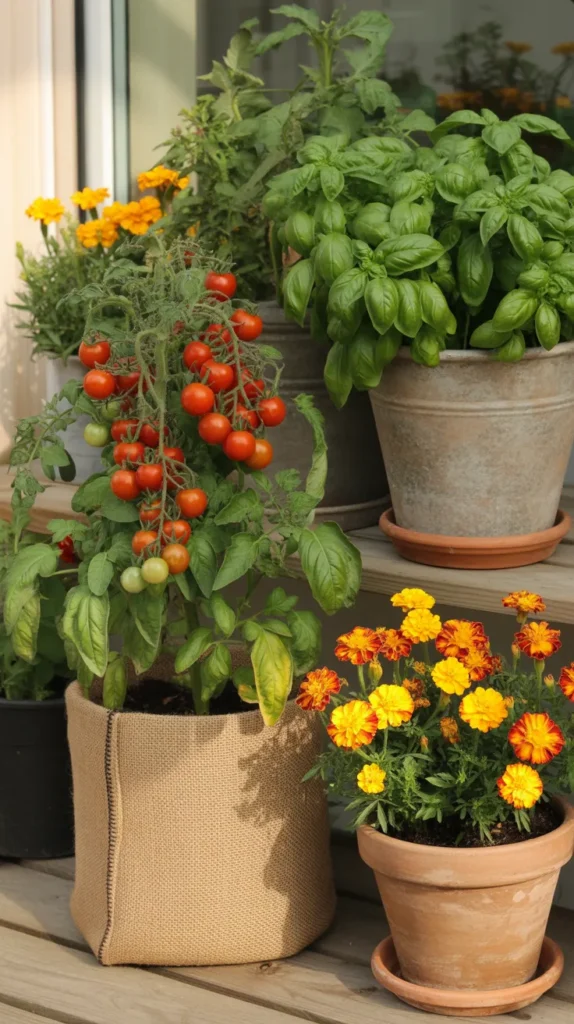
I get asked a lot about how to make a bunch of random pots look like a real garden instead of a messy collection. The trick is to stop thinking about pots individually and start grouping them by height and water needs.
Try placing your tallest pot, maybe one with a dwarf citrus or a tall trellis, in the back corner. Then you can tuck medium sized pots with peppers or kale right in front of it to hide the bare soil of the larger container.
The smallest pots with herbs like thyme or oregano should sit at the very edge of the cluster. This creates a tiered effect that looks intentional and lush.
It also makes your life easier because you can group the thirsty plants together. This way, you aren’t dragging the hose all over the patio to find that one wilting tomato hidden in the back.
If you have a particularly ugly plastic pot, just bury it in the middle of the group. The surrounding foliage from the prettier ceramic pots will mask it completely while still letting the plant grow.
Wrapping Up
Finding the right approach for your yard takes time but these 12 layout concepts for beginner garden structure plans give you a solid head start. Whether you want a small vegetable garden layout or something more permanent, focus on what fits your daily routine. Pick the one style that feels most manageable and start building your dream garden today.