
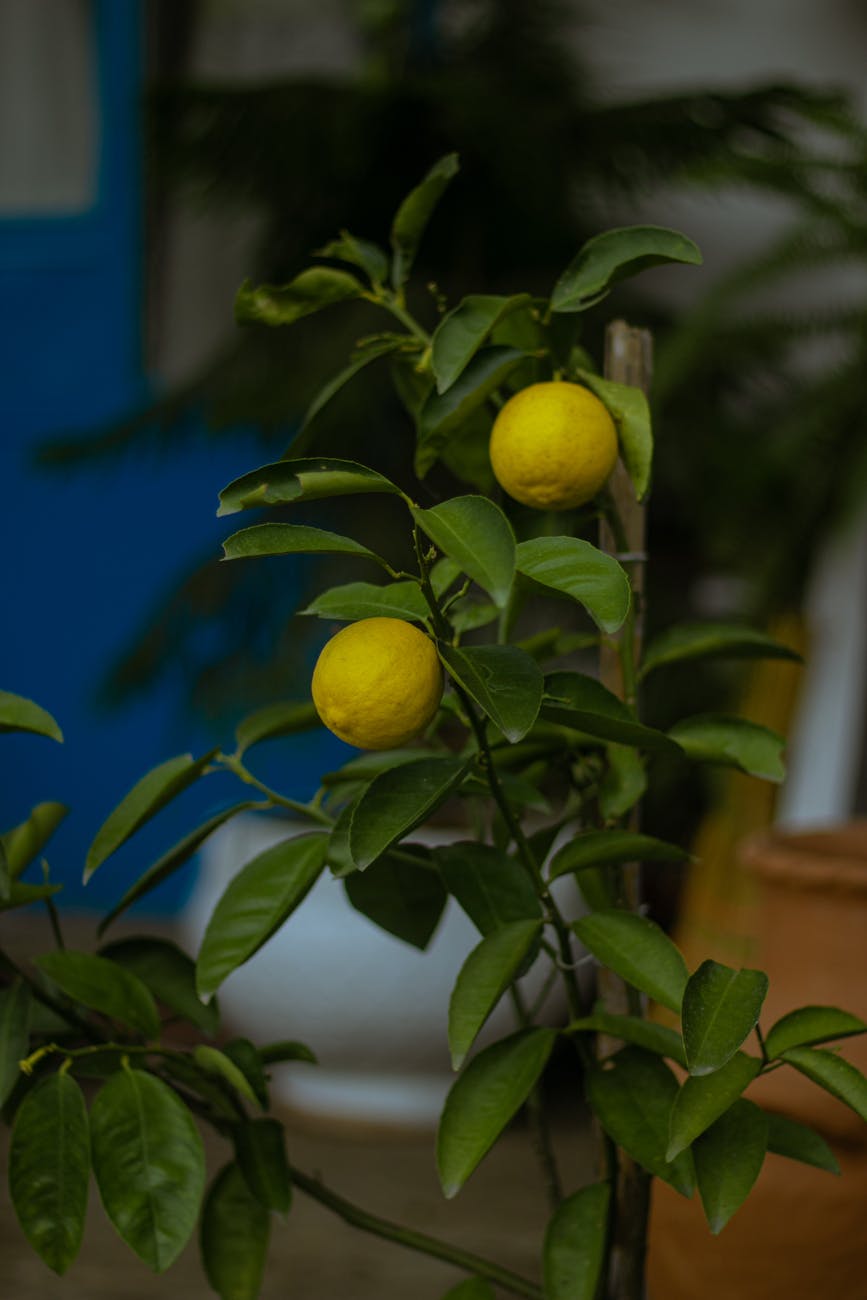

Did you know you can grow a dwarf meyer lemon tree indoors successfully? It is possible, but you have to provide the right care and conditions. Dwarf varieties like the Meyer lemon are well-suited for indoor growth because they stay compact and are productive, making them ideal for limited spaces. With adequate light, proper watering, and nutrient-rich soil, your indoor lemon tree can thrive and even produce fruit year-round. This guide is designed to cover what it takes to grow one inside your house.
Can You Grow a Dwarf Lemon Tree Indoors?
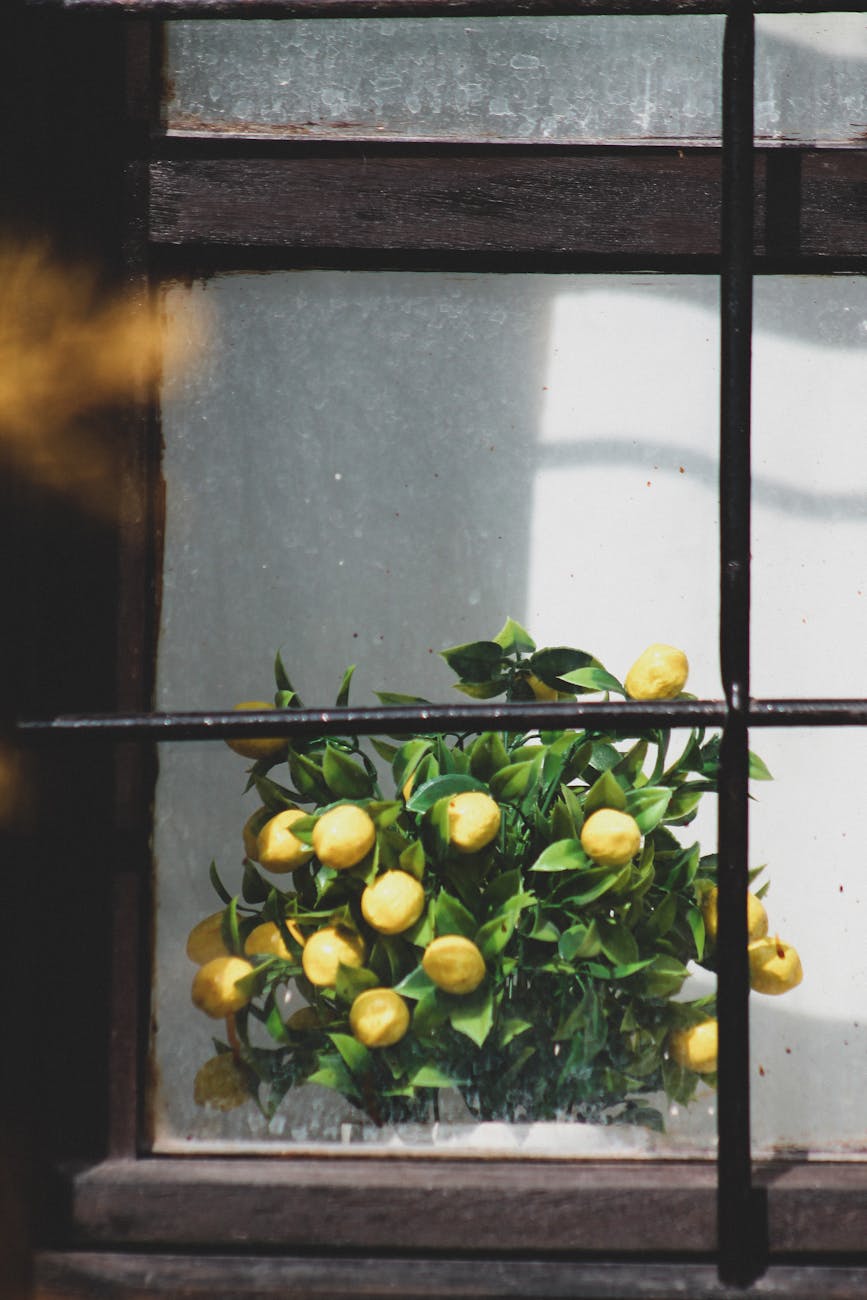
Growing a dwarf lemon tree inside your home is possible with the right conditions and care. You can enjoy fresh lemons year-round, but it requires attention to light, water, and temperature. Understanding both the benefits and challenges will help you succeed in indoor cultivation.
Benefits of Indoor Dwarf Lemon Trees
Indoor dwarf lemon trees are perfect for small living spaces like apartments or homes without outdoor gardens. Their compact size means they fit comfortably on patios, balconies, or near sunny windows.
These trees produce fragrant blossoms and glossy foliage, adding aesthetic value. You can harvest lemons all year, providing a fresh, natural flavor in your kitchen at any time.
Additionally, indoor lemon trees can improve air quality and bring a subtle citrus aroma to your living space. They also require less space and are easier to protect from pests and harsh weather than outdoor trees.
Common Challenges of Indoor Cultivation
Maintaining adequate light is one of the biggest challenges. Lemon trees thrive with 8-12 hours of direct sunlight daily. You might need supplemental grow lights during darker months or in homes with limited natural light.
Watering is critical but tricky; overwatering can cause root rot, while underwatering stresses the tree. Use well-draining, nutrient-rich soil and ensure pots have drainage holes.
Humidity levels indoors tend to be lower than outdoors. You may need to mist your lemon tree or use a humidifier to prevent leaf drop. Regular feeding with citrus fertilizer supports healthy growth inside as well.
Indoor Versus Outdoor Growth
Outdoor lemon trees generally grow larger and may produce more fruit due to unrestricted root space and natural conditions. In contrast, indoor trees remain smaller and produce fewer lemons but can fruit year-round if properly cared for.
Temperature control is easier indoors, avoiding frost damage common outside in colder climates. However, indoor air circulation is often limited, increasing the risk of pests like spider mites or aphids.
You will need to prune your indoor dwarf lemon tree more frequently to maintain shape and size. Outdoor trees can grow naturally larger without daily maintenance but face higher risks from weather and pests.
Choosing the Best Dwarf Lemon Tree Variety
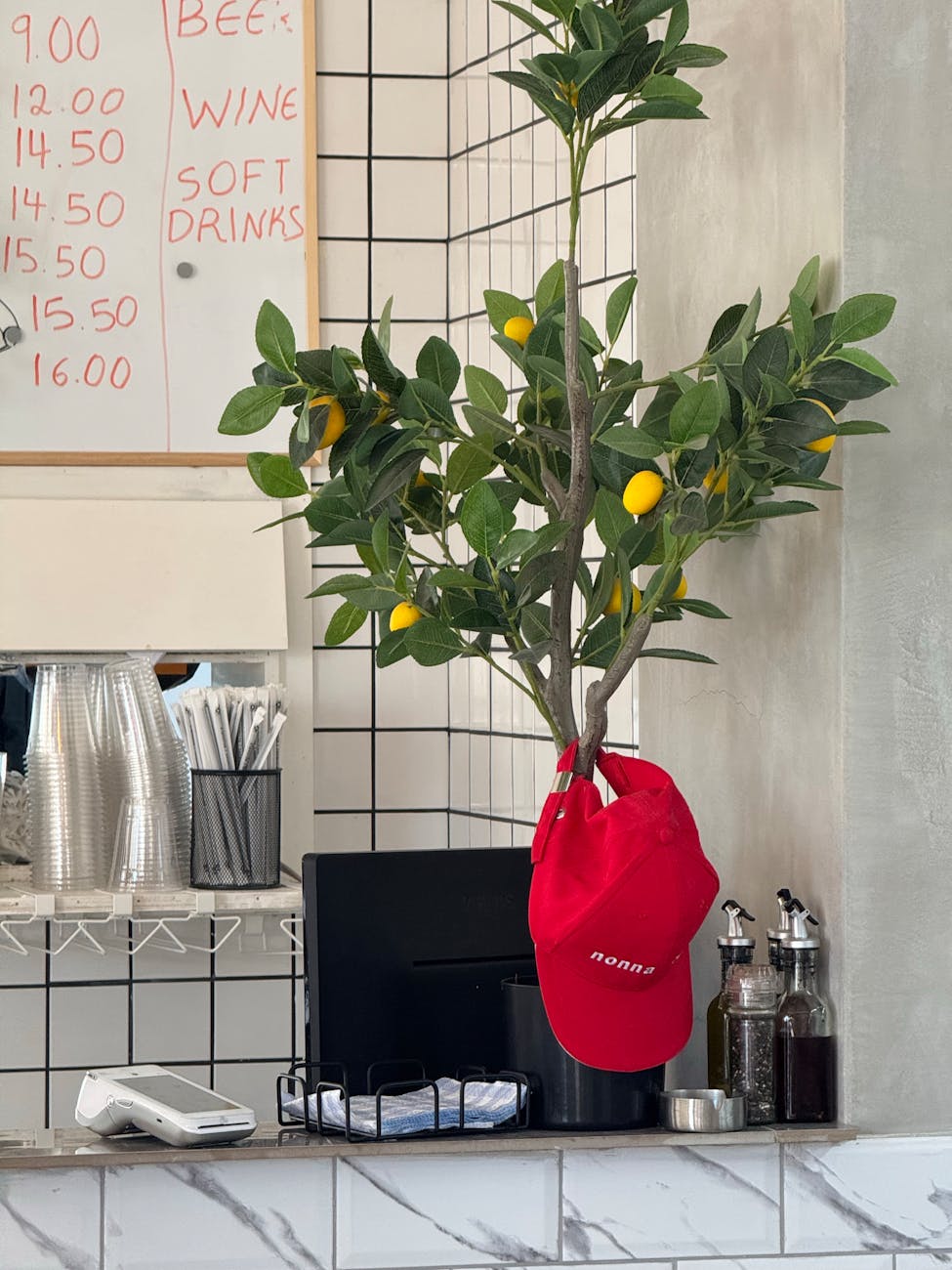
Selecting the right dwarf lemon tree involves understanding which types offer manageable sizes and desirable fruit. You also need to weigh factors like space, light, and care requirements to ensure healthy growth indoors.
Popular Dwarf Varieties
Several dwarf lemon varieties suit indoor growing, with Meyer lemons leading in popularity due to their compact size and sweeter fruit. Other good options include Eureka and Lisbon lemons, which produce traditional lemon flavors but may require more space.
Meyer lemon trees typically grow to 3-5 feet and produce abundant fruit year-round. Variegated Pink and Ponderosa lemons offer unique foliage or larger fruit but can be less predictable indoors. Choose a variety known for disease resistance and adaptability to container life.
You can find these varieties grafted onto dwarf rootstock, which confines growth and makes fruit harvesting easier inside your home.
Factors to Consider for Indoor Growth
Light is crucial; dwarf lemon trees need at least 8-12 hours of direct sunlight or equivalent grow light. Insufficient light can stunt growth and reduce fruit production.
Temperature control also matters. Ideal indoor temperatures range from 65°F to 75°F during the day, with cooler nights to mimic natural conditions. Avoid sudden drafts or excessive heat.
Container choice affects root health. Use a pot with good drainage and ensure regular watering without waterlogging. Periodic feeding with balanced fertilizer, especially rich in phosphorus and potassium, supports flowering and fruiting.
You may need to hand-pollinate flowers with a small brush to boost fruit set since indoor trees lack natural pollinators.
Setting Up the Ideal Indoor Environment
Creating the right environment for your dwarf lemon tree is crucial to its health and fruit production. You need to manage light exposure, control indoor temperature and humidity, and choose the appropriate pot and soil mix to mimic its natural growing conditions as closely as possible.
Lighting Requirements
Your dwarf lemon tree needs at least 8-12 hours of bright, direct sunlight daily to thrive indoors. Place it near a south-facing window if possible. If adequate natural light is limited, consider supplementing with a full-spectrum grow light.
Avoid low-light areas, as insufficient light can stunt growth and reduce fruit yield. Rotate the tree regularly to ensure even light distribution and prevent leaning.
Indirect light won’t support blooming and fruiting effectively. Using bright artificial lighting for 12-14 hours can compensate during shorter winter days or dimmer rooms.

Temperature and Humidity Levels
Maintain daytime temperatures between 65°F to 75°F (18°C to 24°C) for optimal growth. Night temperatures should not drop below 55°F (13°C). Sudden temperature changes can stress the tree.
Humidity is key since lemon trees prefer 45-60% relative humidity. Dry indoor air, especially in heated spaces during winter, demands a humidifier or regular misting to keep leaves healthy and reduce pest risks.
Avoid placing your tree near drafts, heaters, or air conditioners. Stable warmth and moderate humidity help prevent leaf drop and encourage fruit development.
Potting and Soil Mix Selection
Use a 12-14 inch pot with drainage holes to provide sufficient room for root growth and prevent waterlogging. A clay or ceramic pot is preferred for good air circulation in the soil.
Choose a well-draining, slightly acidic soil mix with a pH of around 5.5 to 6.5. A blend of potting soil, perlite, and organic compost works well to retain moisture without becoming soggy.
Repot every 2-3 years or when roots start crowding. Adding a layer of gravel at the pot’s bottom can improve drainage and keep roots healthy.
Planting and Potting Techniques
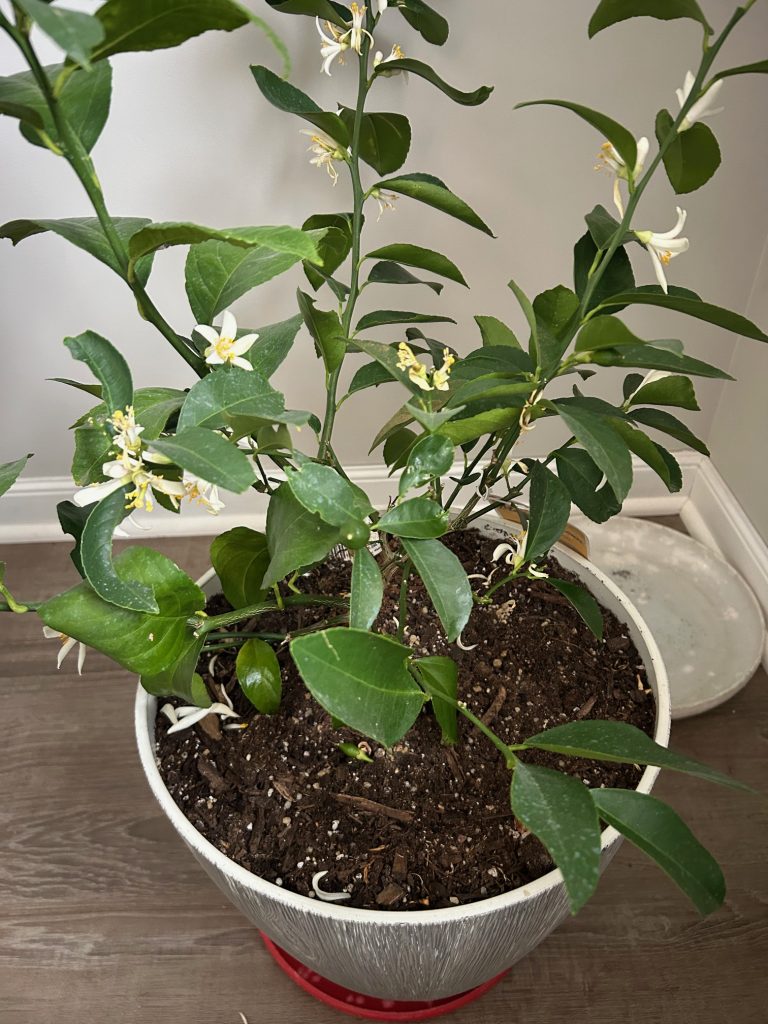
To successfully grow a dwarf lemon tree indoors, focus on selecting a container that supports healthy root growth and preparing the planting environment correctly. These steps ensure your tree establishes well and can thrive in limited indoor space.
Choosing the Right Container
Pick a pot that is at least 15 gallons in size to give your dwarf lemon tree ample room to grow. The container should have multiple drainage holes to prevent waterlogging, which can cause root rot. Choose materials like ceramic or plastic with a drainage tray to catch excess water.
A wider pot is better than a very deep one, as dwarf lemon trees develop a shallow but spreading root system. Avoid pots that are too large, as the soil will retain excess moisture, increasing risk of fungal issues.
Use a container with a light color or reflective surface if possible, as this helps maintain moderate soil temperatures. Ensure your chosen pot fits well in your indoor space while allowing room for growth.
Proper Planting Methods
Start with a slightly acidic potting mix designed for citrus or mix your own by blending potting soil with sand and peat moss in equal parts. This improves drainage and mimics the lemon tree’s natural soil conditions.
When planting, loosen the root ball gently to encourage spreading. Position the tree so the top of the root ball is slightly above the soil surface in the pot to prevent root suffocation.
Water thoroughly after planting until water drains freely. Avoid compacting the soil too much; lightly press it down to stabilize the tree. Place your tree in a spot with at least 8 hours of bright, indirect sunlight daily for best growth indoors.
Watering and Fertilizing Indoor Lemon Trees
Maintaining the right balance of water and nutrients is essential for your indoor dwarf lemon tree’s health. Proper watering avoids root problems, while the right fertilizer keeps growth steady and fruit production consistent.
Proper Watering Practices
You should water your dwarf lemon tree when the top 1-2 inches of soil feel dry. Overwatering can cause root rot, so let the soil dry slightly between sessions. Use a pot with drainage holes to prevent water buildup at the bottom.
Water deeply but infrequently, allowing moisture to reach the roots thoroughly. Avoid leaving your tree sitting in excess water. During winter, reduce watering frequency slightly since the tree’s growth slows.
Check the humidity around your lemon tree as well. If your home’s air is dry, mist the leaves or place a humidity tray nearby to keep the environment comfortable for the tree.
Fertilizer Types and Schedules
Use a balanced citrus fertilizer high in nitrogen, with micronutrients such as magnesium, iron, and zinc, which are crucial for healthy lemon trees. A common option is a 6-6-6 or 8-8-8 NPK fertilizer formulated for citrus.
Feed your tree every 4-6 weeks during the active growing season (spring through early fall). Cut back on fertilizing in the winter when the tree is less active.
Follow package instructions carefully to avoid over-fertilization, which can harm roots and reduce fruiting. Slow-release granular fertilizers or liquid feeds diluted to half strength work well for container-grown lemon trees.
Pruning and Maintenance for Healthy Growth
Maintaining a dwarf lemon tree indoors requires consistent attention to pruning and controlling its size. Proper care encourages robust growth, improves airflow, and helps maximize fruit production while keeping the tree manageable.
Pruning Techniques
You should prune your dwarf lemon tree after the main harvest, typically in late winter or early spring. This timing avoids cutting off developing flower buds and allows the tree to heal quickly as it enters active growth.
Focus on removing dead or damaged branches first. Next, thin out overcrowded areas to improve air circulation, which reduces the risk of disease. Use sharp, clean tools to make cuts just above a leaf node or lateral branch.
Regular pruning maintains the tree’s shape and encourages strong new growth. Avoid heavy pruning during the growing season, as it can stress the tree and reduce fruiting. Small, incremental cuts are more effective than large, sudden ones.
Managing Tree Size Indoors
Controlling the size of your indoor dwarf lemon tree is essential to fit your space and maintain health. Regular trimming of new shoots prevents the tree from becoming leggy or overly dense.
Pinch back new growth when it reaches about 6 inches to encourage bushier growth. You can also remove suckers from the base to focus the tree’s energy on main branches.
Keep the tree in a container that suits its size, and repot it as needed to avoid root crowding. Combine pruning with controlled watering and fertilization to keep the tree balanced and productive without becoming unmanageable indoors.
Pollination and Flowering Indoors
Successful fruit production depends on getting your dwarf lemon tree to bloom and ensuring flowers are pollinated. Both require managing light, temperature, and active pollination efforts since natural pollinators like bees are absent indoors.
Encouraging Blooms Inside
Your lemon tree needs consistent exposure to 6-8 hours of bright light daily to trigger and sustain flowering. Position it near a south-facing window or use grow lights with full-spectrum bulbs to simulate natural sunlight.
Maintain indoor temperatures between 65°F and 75°F during the day and slightly cooler at night. This range supports flower bud development. Keep humidity between 40-60% to prevent stress that can inhibit blooms.
Fertilize with a balanced citrus-specific fertilizer, high in nitrogen early in growth, then switch to one with more phosphorus once buds appear. Regular pruning helps redirect energy into flower production rather than excessive leaf growth.
Hand Pollination Methods
Because indoor lemon trees lack natural pollinators, you must pollinate flowers by hand to develop fruit. This is something that I had to figure out myself. As you can see, mine had ton of flower blooms but since it was inside for the winter, I had no natural pollinators.
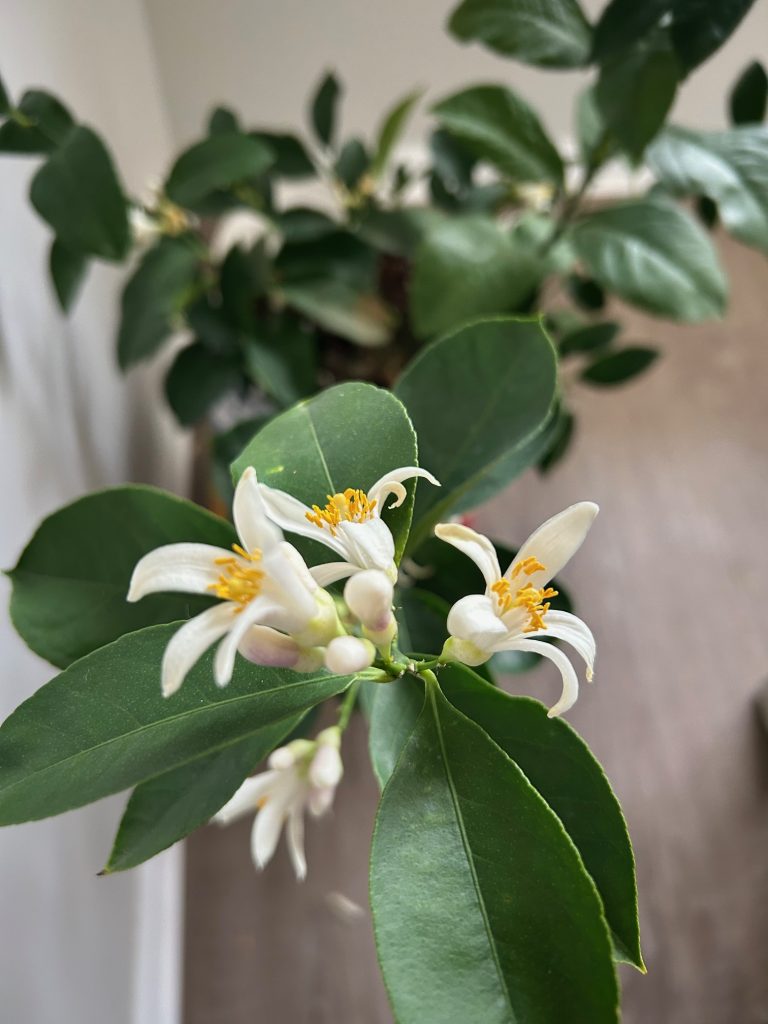
Use a small, soft brush or cotton swab to transfer pollen between flowers daily once blossoms open.
Gently brush the inside of each flower’s stamen to collect pollen, then transfer it to the stigma of another flower. Repeating this process every day increases the chances of successful pollination.
Pollinate during morning hours when flowers are most receptive. Be patient; pollination needs to continue throughout the flowering period, which may last several weeks. This manual step is crucial to fruit set indoors.
Dealing With Common Pests and Diseases
Your dwarf lemon tree can face issues like insects and diseases even indoors. Being vigilant about signs of infestation and infection helps keep your tree healthy and fruiting well.
Identifying Indoor Lemon Tree Pests
Common indoor pests include aphids, scale insects, spider mites, and mealybugs. Look for tiny, often clustered bugs on the undersides of leaves or along stems. Yellowing leaves, sticky residue (honeydew), or a dusty web on leaves are key signs. Fungus gnats can also be an issue. See our post on how to deal with them.
Use a magnifying glass to spot the pests precisely. Scale insects appear as small, waxy bumps while spider mites leave fine webs. Mealybugs look like tiny white cotton patches. Early detection matters because infestations spread quickly.
Daily or weekly leaf inspections help catch pests early. If you find any, isolate your lemon tree to prevent spreading and start treatment immediately.
Preventing and Treating Diseases
Indoor lemon trees are vulnerable to fungal and bacterial diseases such as root rot, citrus canker, and black spot. Poor drainage and overwatering increase risks, particularly root rot.
Prevention starts with proper watering—allow the top inch of soil to dry between sessions. Use well-draining soil and avoid water pooling around the pot. Remove fallen leaves to reduce fungal spores.
If you notice leaf spots, yellowing, or premature leaf drop, isolate the tree and prune affected parts. Use a fungicide specifically designed for citrus if fungal infection is confirmed. Maintain airflow around the tree to limit disease development.
Regular tree care, combined with timely intervention, minimizes the chances of severe disease problems.
Harvesting and Enjoying Lemons Indoors
You’ll know when your indoor dwarf lemon tree’s fruit is ready by its color and size. Proper harvesting techniques and storage will keep your lemons fresh and flavorful for longer. Using homegrown lemons can add zest and aroma to your meals and drinks.
When and How to Harvest
Harvest lemons when they have turned fully yellow or yellow-green, depending on the variety. Meyer lemons, for example, often have a thinner skin and retain a slight orange tint when ripe. The fruit should feel firm but slightly tender to the touch.
Use clean pruning shears or scissors to cut the lemons from the branch, leaving a small stem attached. Avoid pulling or twisting the fruit to prevent damage to branches and flowers. Harvest regularly to encourage the tree to produce more lemons.
Storing and Using Homegrown Lemons
Store your harvested lemons in a cool, dry place or refrigerate them to extend freshness for up to 3-4 weeks. Avoid moisture buildup which can cause mold or decay. For longer storage, consider freezing lemon juice or zest.
Use your lemons for cooking, fresh juices, or garnishes. The zest contains aromatic oils perfect for baking or seasoning. Since they are homegrown, your lemons will typically be more flavorful and less bitter than store-bought varieties.
Troubleshooting Common Indoor Lemon Tree Problems
Indoor dwarf lemon trees often experience specific challenges that you can resolve by adjusting care practices. Detecting and correcting issues like leaf drop or fruit drop early will help keep your tree healthy and productive.
Addressing Leaf Drop and Yellowing
Leaf drop or yellowing can signal several problems. Most often, these symptoms indicate inconsistent watering—either overwatering or underwatering. You should maintain evenly moist soil but avoid waterlogged conditions, which cause root rot.
Low humidity is another common cause. Lemon trees prefer 40-60% humidity. You can raise humidity by misting the leaves regularly or placing a humidity tray nearby.
Nutrient deficiencies, especially nitrogen or iron, can also lead to yellow leaves. Use a citrus-specific fertilizer according to label instructions to correct this.
Check for pests like spider mites or scale insects, which stress the tree and cause leaf loss. Use insecticidal soap or neem oil to treat infestations promptly.
Resolving Fruit Drop Issues
Fruit drop occurs when young lemons fall prematurely. This often results from environmental stress or poor pollination. Inconsistent watering is the most frequent cause, so keep soil moisture steady.
Indoor lemon trees require 8 to 12 hours of bright, direct sunlight. Lack of sufficient light weakens fruit development. Supplement natural light with grow lights if needed.
High temperatures or sudden temperature changes also cause fruit drop. Aim to keep your tree in a room between 65°F and 75°F, avoiding drafts and heating vents.
Nutrition matters, too. Use a balanced fertilizer rich in potassium and magnesium to support fruit set and growth.
Finally, gently shake the tree or hand-pollinate flowers to improve fruit retention when natural pollinators are absent indoors.
Tips for Long-Term Success and Tree Longevity
To ensure your dwarf lemon tree thrives indoors, consistent light is essential. Aim for at least 8-12 hours of bright, indirect sunlight daily. If natural light is limited, supplement with a grow light to keep your tree healthy and productive.
Water your lemon tree carefully. Let the top inch of soil dry out before watering again to avoid overwatering, which can lead to root rot. Use well-draining soil to prevent water from pooling around the roots.
Humidity levels should be monitored. Indoor air can be dry, especially in winter, so maintain humidity around 50% using a humidifier or occasional misting. This helps prevent leaf drop and mimics the tree’s natural environment.
Feeding your lemon tree is important during its growing season. Apply a balanced, citrus-specific fertilizer every 4-6 weeks. Follow the label instructions and reduce feeding in the winter when growth slows.
Prune your tree annually to maintain its shape and remove dead or overcrowded branches. Pruning also improves air circulation, reducing the risk of pests and diseases.
Keep an eye out for pests such as spider mites, aphids, and scale insects. Regularly inspect leaves and branches and treat infestations early with insecticidal soap or neem oil.
By following these steps: adequate light, controlled watering, proper humidity, regular feeding, pruning, and pest management—you’ll help your dwarf lemon tree enjoy a long, healthy life indoors.