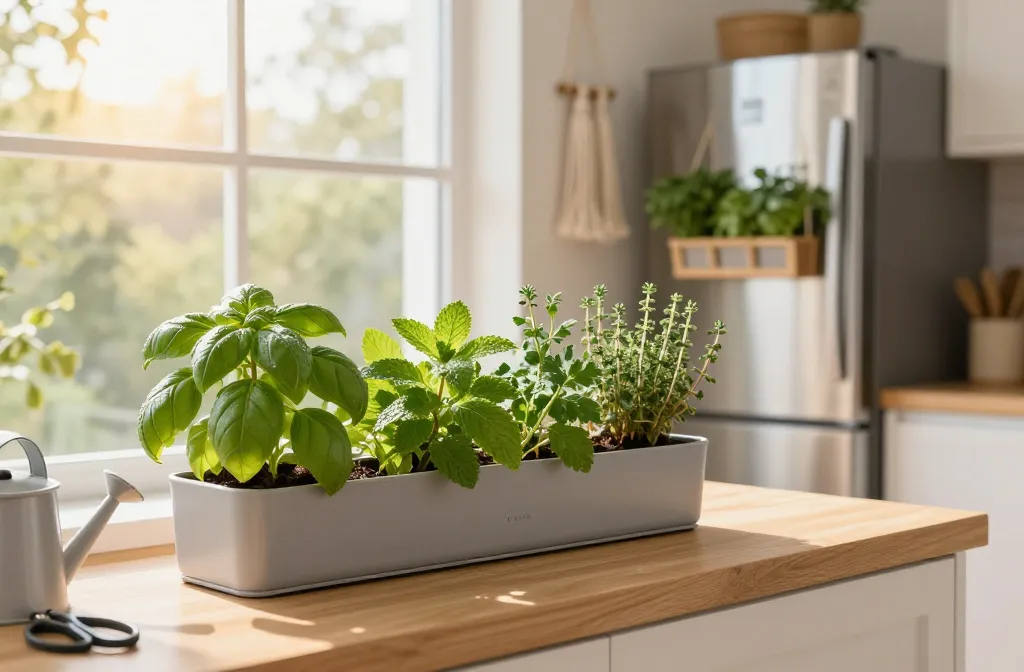


Whether you are wanting to start eating healthier for the new year or just want to try your hand at a new hobby, purchasing an indoor herb garden may just be for you. But which should you choose? Should you pick an indoor herb garden with grow light feature? This post aims to answer these questions. Herb gardens bring fresh basil, parsley, and chives into kitchens year-round without relying on windowsill sun. I’ve found that these systems pair a compact planter with built-in lighting and often timers or adjustable height, so they aim to simplify planting, watering, and harvesting for people with limited natural light. Read on to find 5 terrific options for a beginner.
Best Indoor Herb Garden with Grow Light Options
I tested a range of indoor herb gardens with integrated grow lights to find setups that simplify growing fresh herbs year-round. Buying the right unit comes down to light intensity and spectrum, container size and drainage, and how automated the system is, features that determine plant health, ease of use, and how many herbs you can grow at once. The list that follows highlights options that balance light performance, ease of use, and reliable growth for beginners and experienced gardeners alike.
1) Ahopegarden 10‑Pod Indoor Hydroponic Garden
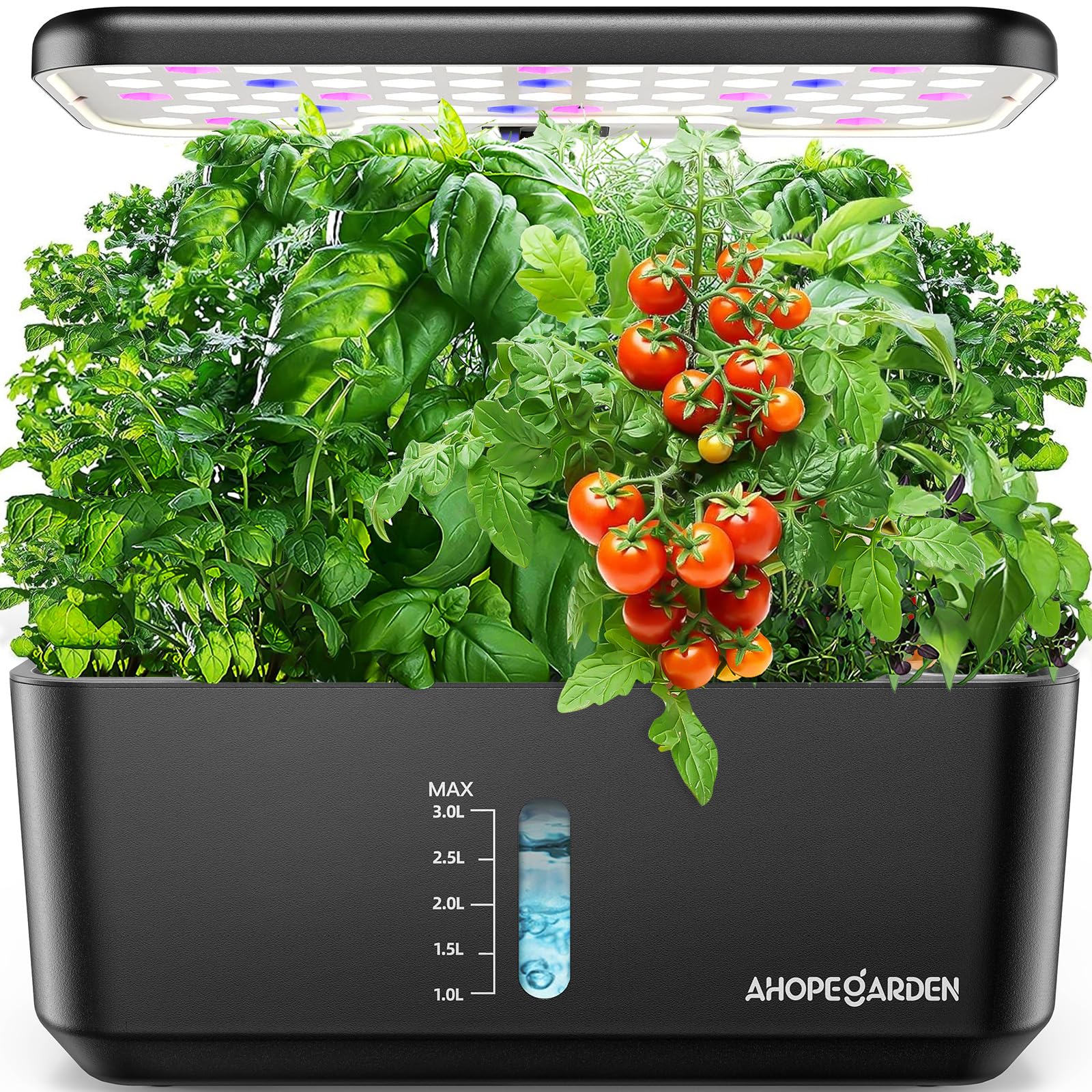
I recommend this if you want a compact, reliable countertop hydroponic kit that makes herbs and small greens grow quickly with minimal fuss. I set this up on my kitchen counter and was growing basil and lettuce within a week. The light height adjustment and full-spectrum lamp made seedlings stretch upward instead of getting leggy.
Filling the reservoir and adding nutrients felt straightforward; the water-level window really helps me avoid overfilling. The circulation pump is quiet and kept water fresh for weeks between top-offs.
Pod spacing worked well for six to eight-inch herbs, but larger plants quickly outgrow the station. For continuous herb harvests and small salads, it’s been dependable and compact without taking over my kitchen. You can read more and purchase through the link below.
Pros
- Pretty affordable compared to others
- Easy setup and low maintenance with automatic timer and water reservoir.
- Adjustable grow light and two modes let me tailor lighting for herbs versus flowering plants.
- Ten pods give plenty of variety for herbs and small salad greens.
Cons
- Limited pod size restricts you to herbs and smaller vegetables.
- Plastic build feels lightweight compared with premium models.
- Timer can occasionally run longer than expected, requiring manual checks.

2) Click & Grow Smart Herb Garden
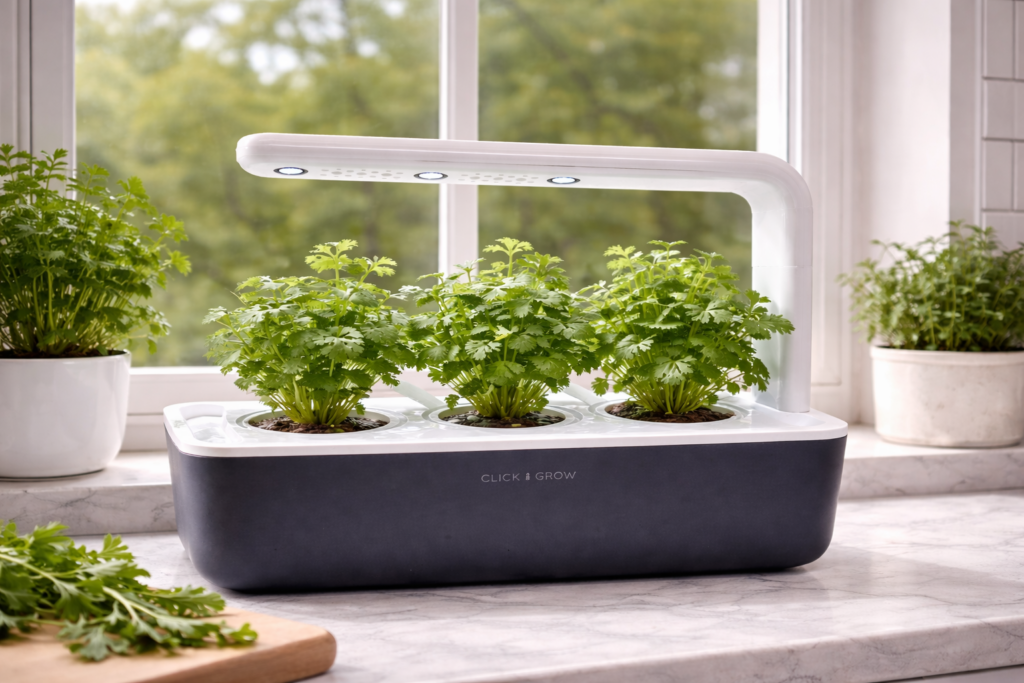
The Click & Grow is a very popular indoor garden, and we already reviewed it here if you are interested. I recommend this if you want reliable, low-effort indoor herbs with a compact grow light system that mostly just works.
Pros
- Very simple setup, just plug in, add pods and water, and it runs.
- Consistent, energy-efficient LED light that promotes steady growth.
- Attractive, compact design that fits a windowsill or counter.
Cons
- Limited capacity , only a few plants at once unless you buy multiples.
- Replacement pods and proprietary parts add ongoing cost.
- Unit is more expensive than others
- Not ideal for larger vegetables or long-term heavy harvests.
I set this up on my kitchen counter and watched basil pop up within days. The lights gave evenly distributed growth and I didn’t fuss with timers or nutrients.
Watering the reservoir every couple of weeks felt almost effortless. Transplanting matured herbs to larger pots worked, but the unit itself suits frequent small harvests rather than full meal-sized yields.
The styling fits modern kitchens and guests often ask about it. If you want a hands-off starter that delivers fresh herbs through the winter, this one performs reliably.

3) Dryades 12‑Pod Hydroponic Herb Garden
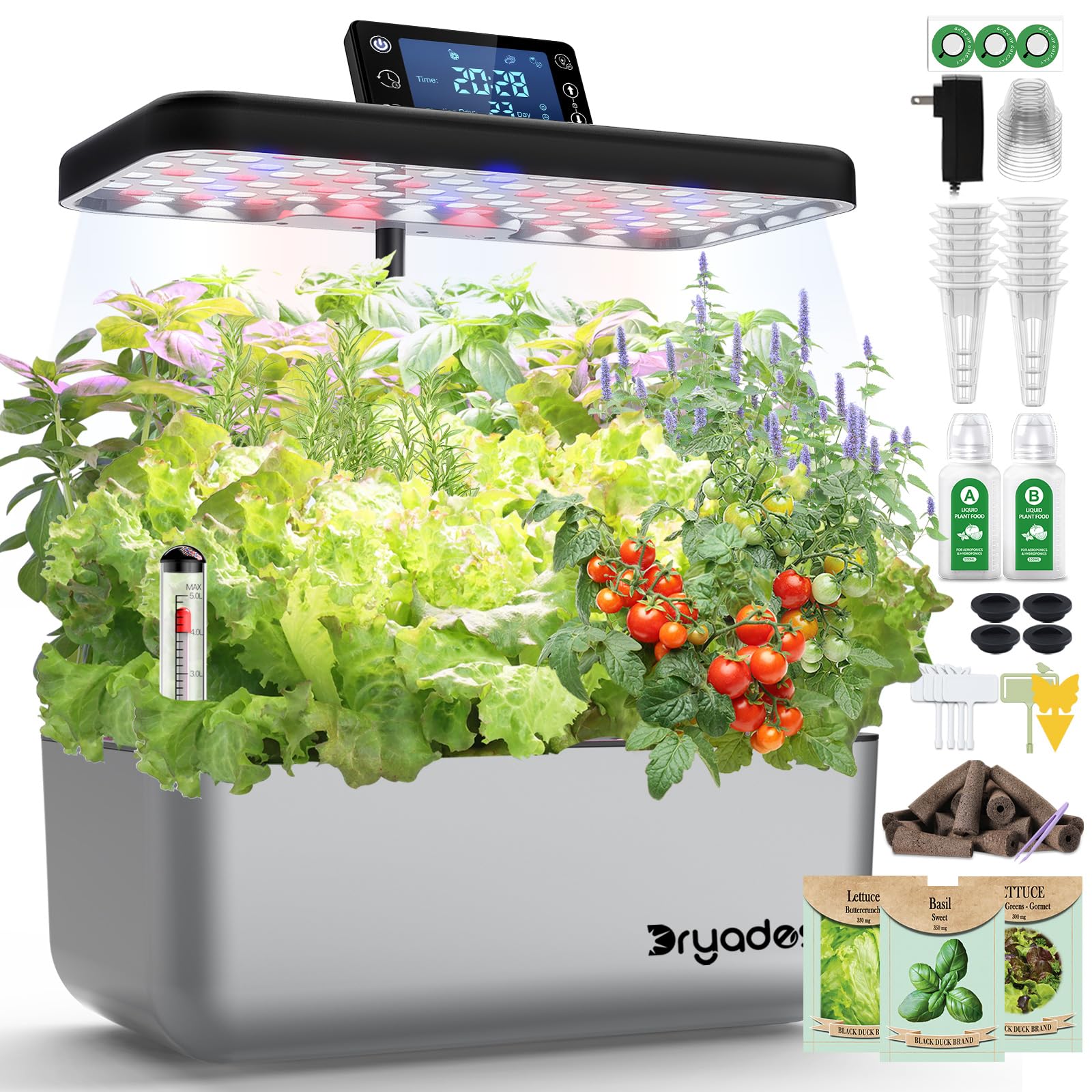
The Dryades one is good if you want a low‑effort, compact hydroponic setup. I unpacked and set it up in under 20 minutes with zero prior hydroponic experience. The onboard screen walks you through light cycles and water reminders, so I felt confident right away.
Lighting impressed me first: the 24W full‑spectrum LEDs produced dense, green growth without overheating my kitchen. Seedlings popped up fast and looked vigorous under the light.
Refilling the water tank became the main chore once plants matured. I also found the pod spacing fine for salad greens and basil, but it felt tight for taller or bushier herbs.
Pros
- Easy, guided setup with seeds included.
- Quiet pump and bright full‑spectrum LED that kept plants healthy.
- Smart control panel makes scheduling and monitoring simple.
Cons
- Reservoir refills more often than I expected with larger plants.
- Pods are a fixed size, limiting root space for bigger herbs.
- Instruction manual could be clearer on nutrient dosing.
Overall, this kit gave me predictable results and let me harvest fresh leaves within weeks. If you want a straightforward indoor herb garden with a helpful control panel and included seeds, this Dryades unit is worth trying.

4) HEDETM 15‑Pod Indoor Garden
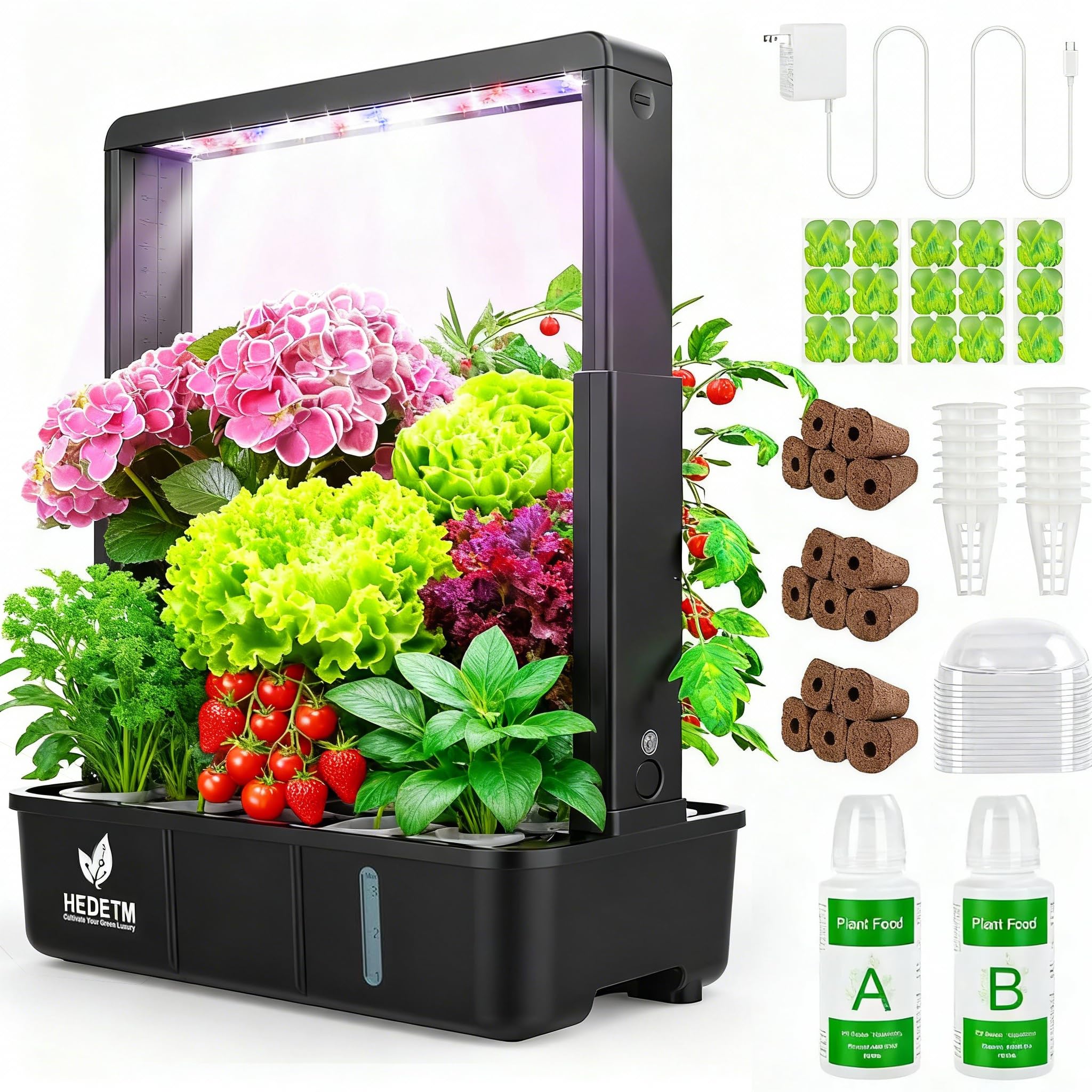
If you’re like me, I had never heard of this brand so wasnt sure about it at first. This is a good unit if you want a low-maintenance countertop hydroponic kit that actually grows herbs fast and fits a small kitchen. I unpacked this unit and set it up in under 10 minutes; the parts fit together cleanly and the clear water window made filling worry-free. The pump runs quietly on an intermittent cycle, and I saw seedlings emerge within days when I tried basil and lettuce.
The light column extends to provide a good coverage area and switching between the blue and green grow modes was straightforward. Plants reacted well to the full‑spectrum LEDs; growth looked healthy and denser than my soil pots during the same period.
Refilling the 3L reservoir only every 2–3 weeks felt convenient, but I kept notes to remember which seeds were in each pod. For a small kitchen or beginner hydroponic project, this unit balances ease and performance without complicated tech.
Pros
- Simple, all-in-one setup with everything except seeds.
- Quiet pump and effective dual-mode LED for different plant types.
- Tall, adjustable light and a big water tank that reduces refills.
Cons
- You still need to source seeds and label pods to avoid mix-ups.
- The 15‑pod footprint can be tight on narrow counters.
- Manual mode switching is basic, no app or smart scheduling.

5) AeroGarden Harvest Lite
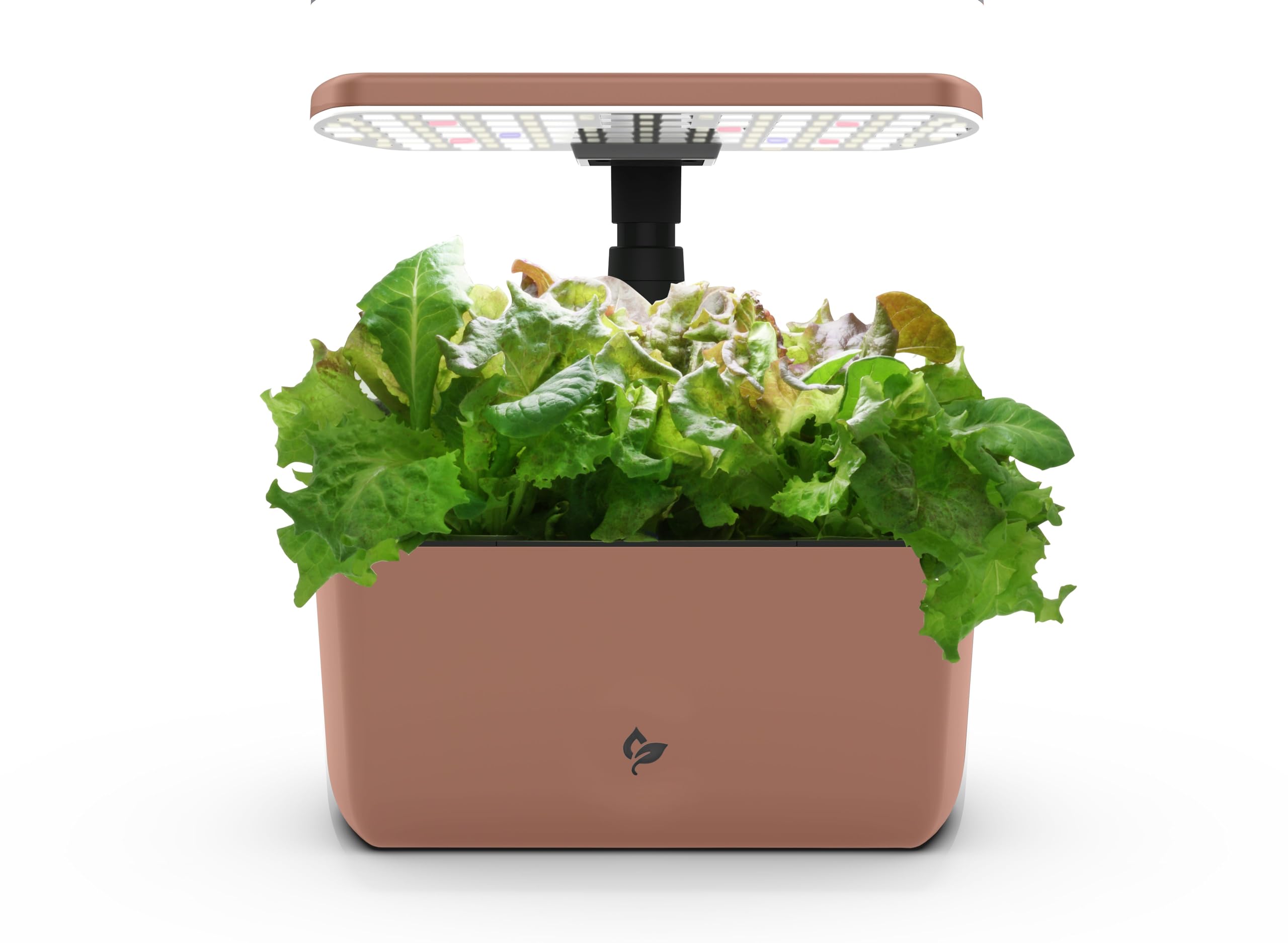
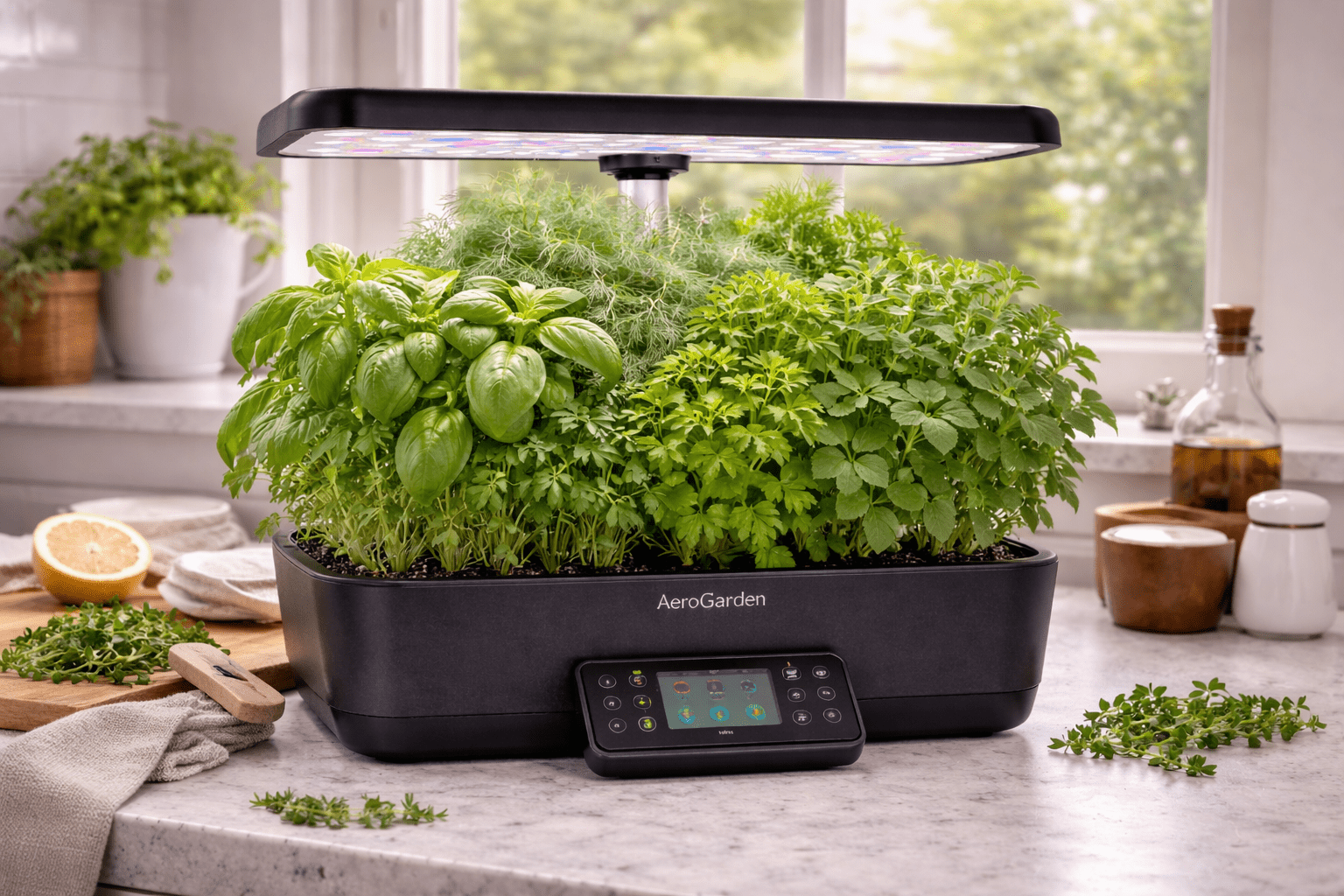
AeroGarden might be the most well known brand in this space, being that it is readily accessible. Overall, Aerogarden is a good brand to get started in this area. I set this up in under ten minutes and started seed pods the same day. It comes in different finishes. The grow light is pleasantly efficient; the built-in timer meant I stopped worrying about light schedules. Plants sprouted quickly and the water/food reminder lights were handier than I expected. As you can see in the picture below, I planted a couple jalapenos and a tomato and they sprouted rather quickly.

Harvest Lite handles the basics well, but don’t expect it to replace a full-size garden. I’ve found it perfect for basil, parsley, mint, and baby lettuce, but too small for anything that needs more vertical room, like tomatoes, I dont think its really big enough for those personally.
Pros
- Compact, attractive design that fit my kitchen counter without feeling bulky.
- LED light and timer take the guesswork out of daily care.
- Very beginner-friendly, water and feed reminders actually helped my plants thrive.
Cons
- Limited to small herbs and compact greens; not ideal for larger vegetables.
- Requires buying seed pod kits and liquid plant food separately.
- Bright LED can be noticeable in shared living spaces at night.
If you want a straightforward, low-maintenance way to keep fresh herbs on hand, this unit delivers consistent results with minimal effort.
Buying Guide
I focus on light type first because it determines plant health and energy use. Choose full-spectrum LEDs for balanced growth and low heat output. Check the PAR or PPFD ratings when available; higher numbers mean more usable light for photosynthesis.
I evaluate coverage and size next to match my growing space. Measure the area and pick a fixture or system that provides even light across it. Adjustable height or an extendable arm helps as herbs grow taller.
I inspect power and controls for convenience and precision. Look for timers, dimming, and multiple spectrum settings so I can mimic day length and intensity. Energy-efficient models save money and reduce heat stress on my plants.
I consider mounting and build quality because stability matters. Decide between hanging, stand, or integrated shelf units based on available space. Sturdy materials and good heat dissipation extend the fixture’s life.
I review additional features that simplify care. Integrated trays, reservoirs, or smart-app controls can reduce daily chores. Prioritize features that match my routine and technical comfort level.
I compare cost versus long-term value before buying. Initial price, expected lifespan, and energy consumption all affect total ownership cost. I balance upfront spend with features that reliably grow healthy herbs.
| Feature to check | Why it matters |
|---|---|
| Light spectrum (full-spectrum) | Supports all growth stages |
| PAR/PPFD | Indicates usable light intensity |
| Coverage area | Ensures even growth across pots |
| Controls (timer/dim) | Enables precise light management |
| Mounting/build | Affects stability and longevity |
| Energy efficiency | Lowers operating cost |