

If you’ve ever wondered how do you plant cilantro seeds without them failing, bolting, or never sprouting at all, you’re not alone. Cilantro is actually one of the easiest herbs to grow, but there are a few key tricks to know. This guide walks you through the process step by step, whether you’re planting in a garden bed, container, or small patio pot.
Why Cilantro Is Perfect for Beginner Gardeners
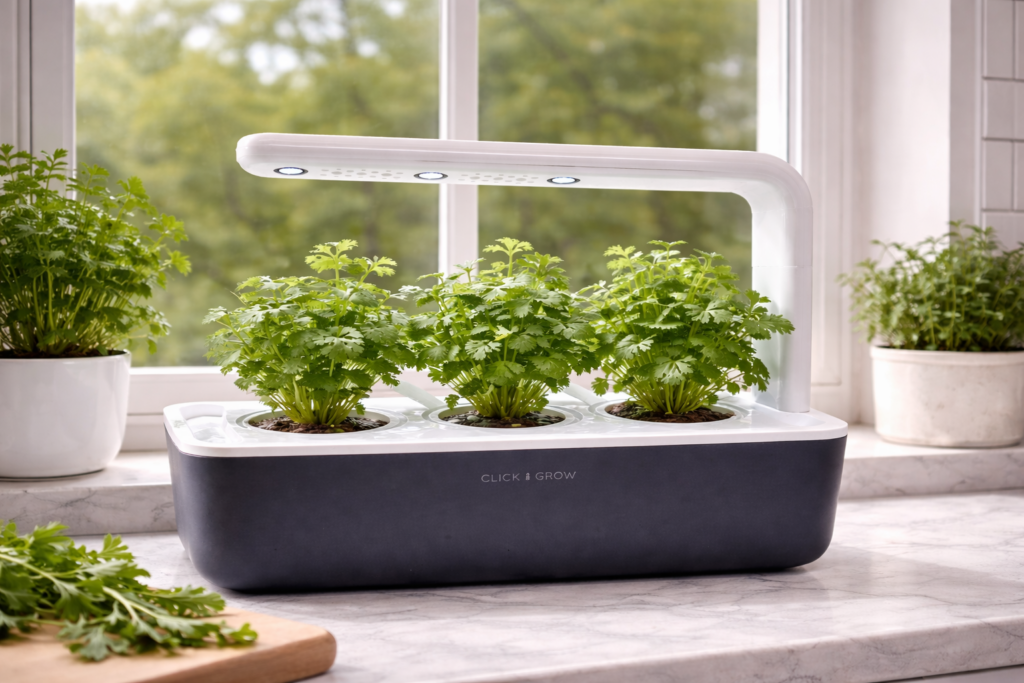
First of all, why should you grow cilantro? There are many health benefits to it. For starters, it has free‑radical scavenging properties and fights oxidative stress (1). Also compounds in the leaves have antioxidant, antibacterial and antifungal properties (2). Also, from a growing perspective, cilantro grows quickly, doesn’t need fancy tools, and thrives in small spaces. With the right timing and planting depth, you can start harvesting fresh leaves in just a few weeks.
- fast-growing herb
- great for containers and small gardens
- perfect for cool-season planting
When Is the Best Time to Plant Cilantro Seeds?
Cilantro prefers cooler temperatures and tends to bolt in heat. What the heck does bolting mean? It just means a plant goes to seed and flowers, which essentially ends the growing cycle. Timing matters more than anything else when it comes to growing cilantro.
- early spring planting: Sow seeds 1–2 weeks before your last frost date.
- fall planting: Plant again in late summer for a fall harvest.
- cool weather preference: Ideal temperatures range from 50–75°F.
What You Need Before Planting Cilantro Seeds
You don’t need much to get started, just a few basics.
- cilantro seeds. Here are some good ones:
- well-draining soil
- container or garden bed
- sunny location
- gentle watering method
So How Do You Plant Cilantro Seeds? Here Is a Step‑by‑Step

1. Prepare the Seeds (Optional but Helpful)
Cilantro seeds are actually two seeds inside one husk. Lightly crushing them can speed up germination.
- crushing seed husks
- overnight soaking
2. Prepare the Soil
Cilantro likes loose, fertile soil that drains well.
- soil depth of at least 8 inches
- slightly acidic to neutral pH
- good drainage to prevent root rot
3. Plant the Seeds
This is where many beginners go wrong, cilantro seeds should not be planted too deep.
- plant seeds ¼ inch deep
- space seeds 1–2 inches apart
- cover lightly with soil
4. Water Gently and Consistently
Keep the soil moist but never soggy.
- gentle watering
- even moisture during germination
- avoid overwatering
Seeds usually sprout in 7–14 days.
5. Thin the Seedlings
Once seedlings are a few inches tall, give them room to grow.
- thin plants to 4–6 inches apart
- improves airflow and leaf growth
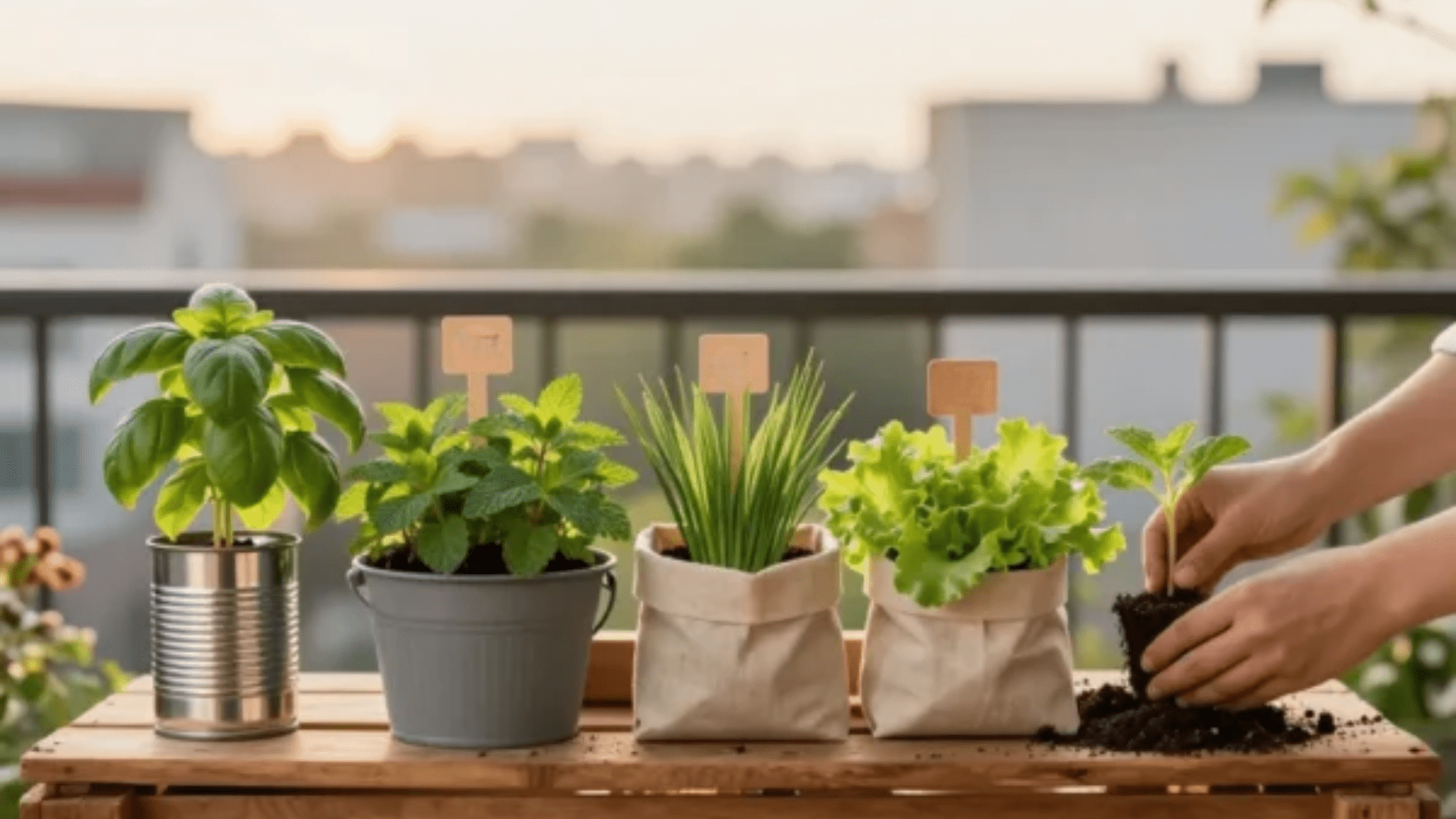
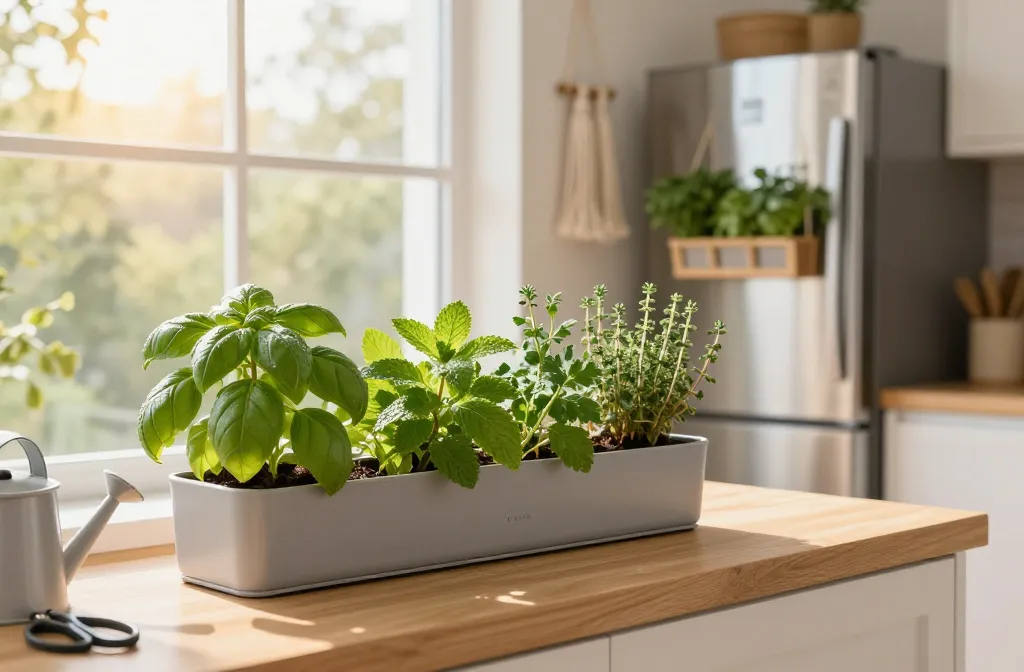
To make the process easier, you can use an indoor herb garden kit. Check out our review of 5 indoor herb gardens you can try today.
How Much Sun Does Cilantro Need?
Cilantro grows best with moderate sunlight.
- 4–6 hours of sun daily
- partial shade in hot climates
Too much heat causes cilantro to bolt quickly.
How Soon Can You Harvest Cilantro?
Cilantro grows fast, another reason it’s beginner and kid friendly.
- harvest in 3–4 weeks
- cut outer leaves first
- leave the center growing
Common Mistakes When Planting Cilantro Seeds
Avoid these beginner pitfalls:
- planting too deep
- waiting too late in the season
- overwatering seedlings
- not planting in succession
Final Thoughts: Growing Cilantro Is Easier Than You Think
Once you understand how do you plant cilantro seeds, the process becomes simple and repeatable. Plant early, keep the soil moist, and harvest often. For a steady supply, sow new seeds every 2–3 weeks during cool weather.
Fresh cilantro is one of the most rewarding herbs you can grow, and now you know exactly how to start.
Sources:
- Agarwal, Uma, et al. “A Comprehensive Review of Supernatural Coriander Herb (Coriandrum Sativum): Phytochemical Insights, Pharmacological Potential and Future Perspective.” Phytochemistry Reviews, 1 July 2025, https://doi.org/10.1007/s11101-025-10142-5.
- Chaurasia, Pankaj Kumar, and Shashi Lata Bharati. “Coriander: A Holistic Outlook on Its Chemistry and Pharmacology.” Food Chemistry, vol. 469, 11 Dec. 2024, p. 142444, www.sciencedirect.com/science/article/pii/S0308814624040949, https://doi.org/10.1016/j.foodchem.2024.142444.