
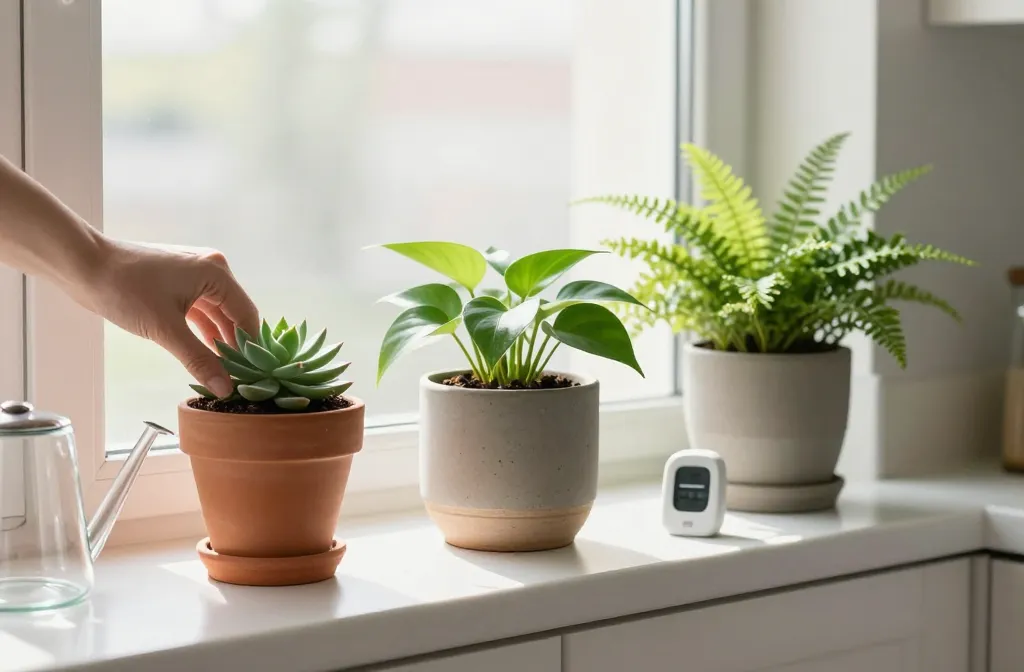

You brought home a plant, and now it stares at you like a needy roommate. How often should you water it? Spoiler: there’s no one-size-fits-all schedule. Instead, you’ll read your plant, your pot, and your environment like a pro. Let’s demystify watering so you stop guessing and start thriving.
Forget the Calendar: Watering Depends on Variables
You’ll hear “once a week” a lot. Cute idea, but risky. Watering depends on plant type, pot size, pot material, soil mix, light, temperature, and humidity. That’s a lot of variables, but don’t panic.
Think of watering like cooking pasta, it’s done when it’s done. Your plants need water when the soil dries to the right depth. Check the soil, not the clock.
The Finger Test (Still the Best Test)
You don’t always need to spend money gadgets. Start by using just your finger.
- Succulents and cacti: Let soil dry out completely. Check 2–3 inches deep. If it’s dry, water.
- Most foliage plants (pothos, philodendron, snake plant): Let the top 1–2 inches dry before watering.
- Thirsty tropicals (ferns, calatheas, peace lilies): Keep the soil slightly moist. Don’t let it bone-dry between drinks.
Takeaway: If your finger comes out muddy, skip watering. If it comes out clean and dusty, time to water.
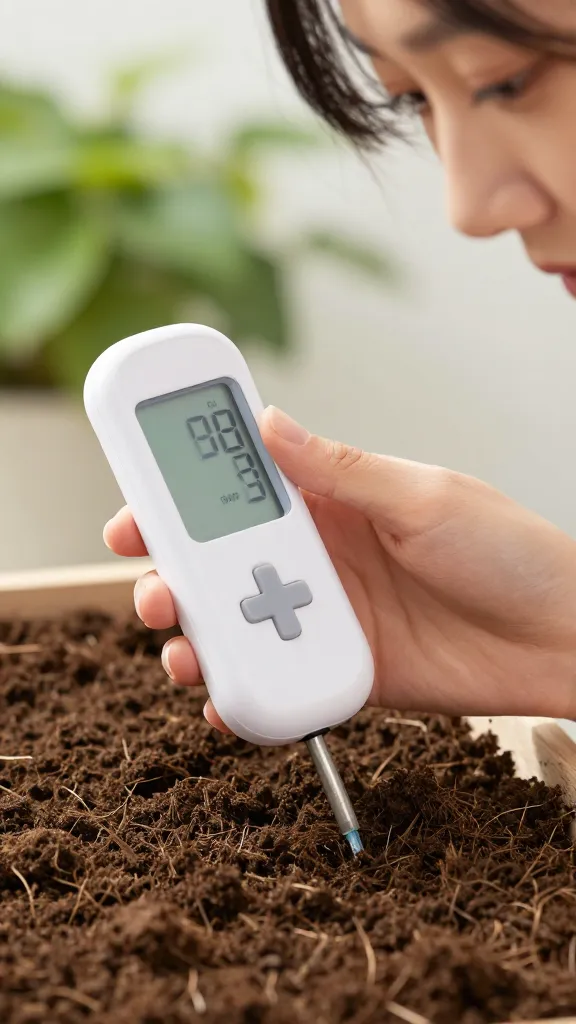
When to Use a Moisture Meter
Moisture meters help if your soil compacts or if pots are deep. Aim for:
- 1–2 (dry): Good for succulents before watering.
- 3–4 (slightly dry): Great time to water most houseplants.
- 5+ (wet): Back away slowly. No water needed.
Typical Watering Ranges (So You Can Relax)
Yes, it varies. But here’s a reality check to set expectations.
- Succulents & cacti: Every 2–4 weeks. Less in winter. They prefer a full dry-out.
- Snake plants & ZZ plants: Every 2–3 weeks. They forgive you for forgetting.
- Pothos, philodendron, monstera: Every 1–2 weeks, depending on light and pot size.
- Ferns & calatheas: Every 5–7 days. They like “evenly moist,” which is plant-speak for needy.
- Peace lily: About weekly. It droops dramatically when thirsty—very theatrical.
- Orchids (phals): Every 7–10 days. Let bark mix dry out slightly between waterings.
- Herbs indoors: 3–7 days. Basil = thirsty gremlin.
Related: See these easy indoor plants for beginners
IMO, use these as starting points, then adjust by feel and context.
Pot, Soil, and Light: The Big Three
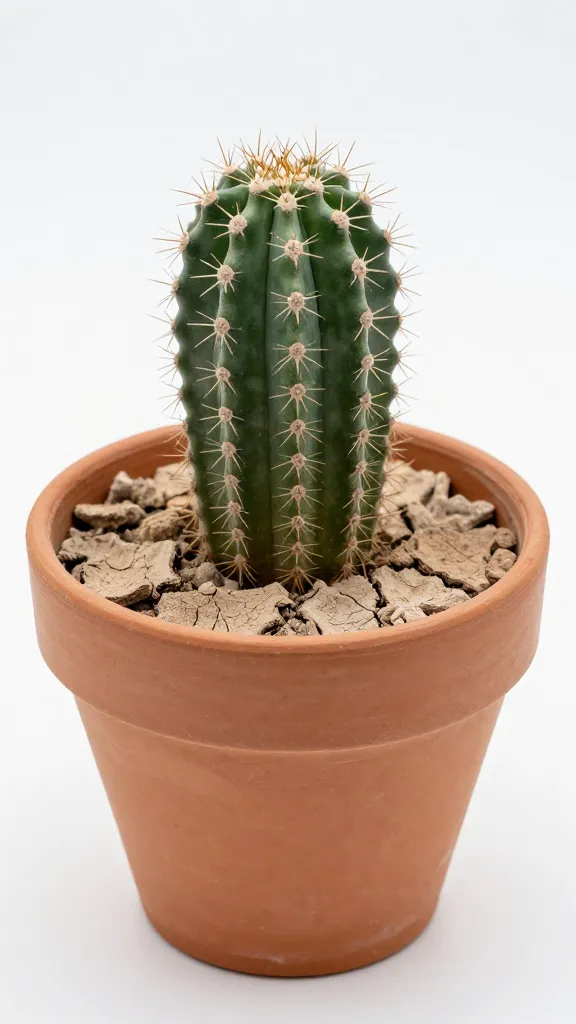
If your plant dries out fast, it’s not “thirsty,” it’s probably your setup. Fix the setup, not the watering schedule.
Pot Size and Material
- Small pots dry faster than big ones. Tiny pot? Check twice a week.
- Terracotta breathes and wicks moisture. Great for succulents and chronic overwaterers.
- Plastic and ceramic (glazed) hold moisture longer. Good for tropicals and forgetful plant parents.
- Drainage holes are non-negotiable. No holes = root rot roulette.
Soil Mix
- Chunky, fast-draining mix for succulents and aroids (add perlite, bark).
- Moisture-retentive mix for ferns and calatheas (add coco coir, a touch of vermiculite).
- Orchid bark for orchids. Potting soil will suffocate them. They are divas with air roots.
Light and Environment
More light = more water. Bright sun drives photosynthesis, which drives water use. Low light? Plants sip slowly. Also:
- Warm, dry air speeds up drying (hello, winter heating).
- Humid rooms slow evaporation (bathrooms, kitchens).
- Fans and open windows dry soil faster than you think.
How to Water Properly (Because Technique Matters)
If you water right, you water less often. Win-win.
- Water deeply. Add water until it runs out the drainage holes. Surface sprinkles don’t count.
- Dump the saucer. Standing water = root rot. Empty after 10–15 minutes.
- Use room-temp water. Ice-cold shocks roots. Lukewarm is ideal.
- Bottom watering for picky plants. Set the pot in a tray of water for 15–30 minutes. Great for calatheas and compacted soil. Honestly, my suggestion is, if you can bottom water, do it. It leads to less fungus and soil issues at the surface.
- Leach occasionally. Every month or two, flush water through to rinse salt build-up.
Signs You’re Overwatering
- Yellowing leaves that feel soft
- Mushy stems or a musty smell
- Soil stays wet for a week+ (check drainage and light)
Signs You’re Underwatering
- Crispy leaf edges or full-body droop
- Soil pulls from the pot sides
- Water runs straight through (hydrophobic soil—bottom water to rehydrate)
Seasonal Adjustments You Should Actually Make
Plants change pace with the seasons. You should too.
- Spring/Summer: Faster growth, brighter light, more water. Check soil more often.
- Fall/Winter: Growth slows, light drops, indoor heat dries air. Water less often but not less thoroughly.
- Dormancy matters: Many plants (succulents, ZZs) want a longer dry spell in winter.
Humidity Hacks
- Group plants together to create a mini microclimate.
- Use a humidifier for ferns and calatheas. Trays with pebbles help a little, not a lot.
- Misting? Fine for vibes; doesn’t raise humidity long-term.
Common Watering Myths, Debunked
Let’s throw some bad advice in the bin, shall we?
- “Ice cubes for orchids.” Just no. Use room-temp water and soak the bark instead.
- “A set schedule works for every plant.” The calendar doesn’t know your window direction.
- “More water = more growth.” Overwatering suffocates roots. Growth needs light first.
- “Wilting always means more water.” Overwatered plants can wilt too. Check the soil first.
FAQ
How do I know if my plant needs water right now?
Stick your finger 1–2 inches into the soil. If it feels dry at that depth for most plants, water. For succulents and cacti, check 2–3 inches deep and wait until it’s completely dry. Use the plant’s leaves as backup signs—droop or curl can confirm, but always check the soil first.
Is tap water okay for indoor plants?
Usually yes. Most plants handle tap water just fine. If you grow calatheas, carnivorous plants, or sensitive orchids and see leaf tip burn, switch to filtered or let water sit overnight to off-gas chlorine. FYI: Chloramine doesn’t off-gas—only a filter removes it.
Should I mist my plants to water them?
Misting won’t water the soil. It adds brief surface moisture and a little humidity spike that fades fast. It’s fine for cleaning leaves or making you feel like a rainforest ranger, but rely on proper soil watering for hydration.
Why does my plant droop right after I water it?
Water can temporarily chill roots or displace oxygen in the soil, and some plants just sulk after a drink. It usually perks up within a day. If drooping continues and soil stays wet, you may have poor drainage, compacted soil, or overwatering—repot into a chunkier mix and ensure drainage holes.
How much should I water at once?
Water until excess runs from the drainage holes. That ensures all roots get moisture and prevents salt buildup. Then let the soil reach the appropriate dryness before the next watering. Shallow sips lead to weak roots; deep drinks build resilience.
Can I use self-watering pots?
Yes, with the right plants and mix. Self-watering pots shine with moisture-loving plants (peace lilies, ferns). Avoid them for succulents and cacti unless you use a very airy mix and let the reservoir run dry regularly. IMO, they’re great for travelers but do monitor for soggy soil.
Conclusion
You don’t need a rigid schedule, you need awareness. Check the soil, know your plant’s vibe, and adjust for pot, mix, light, and season. Water deeply, then wait the right amount before the next soak. Do that, and your plants stop guessing, you stop Googling at midnight, and everyone lives happily ever greener.
