

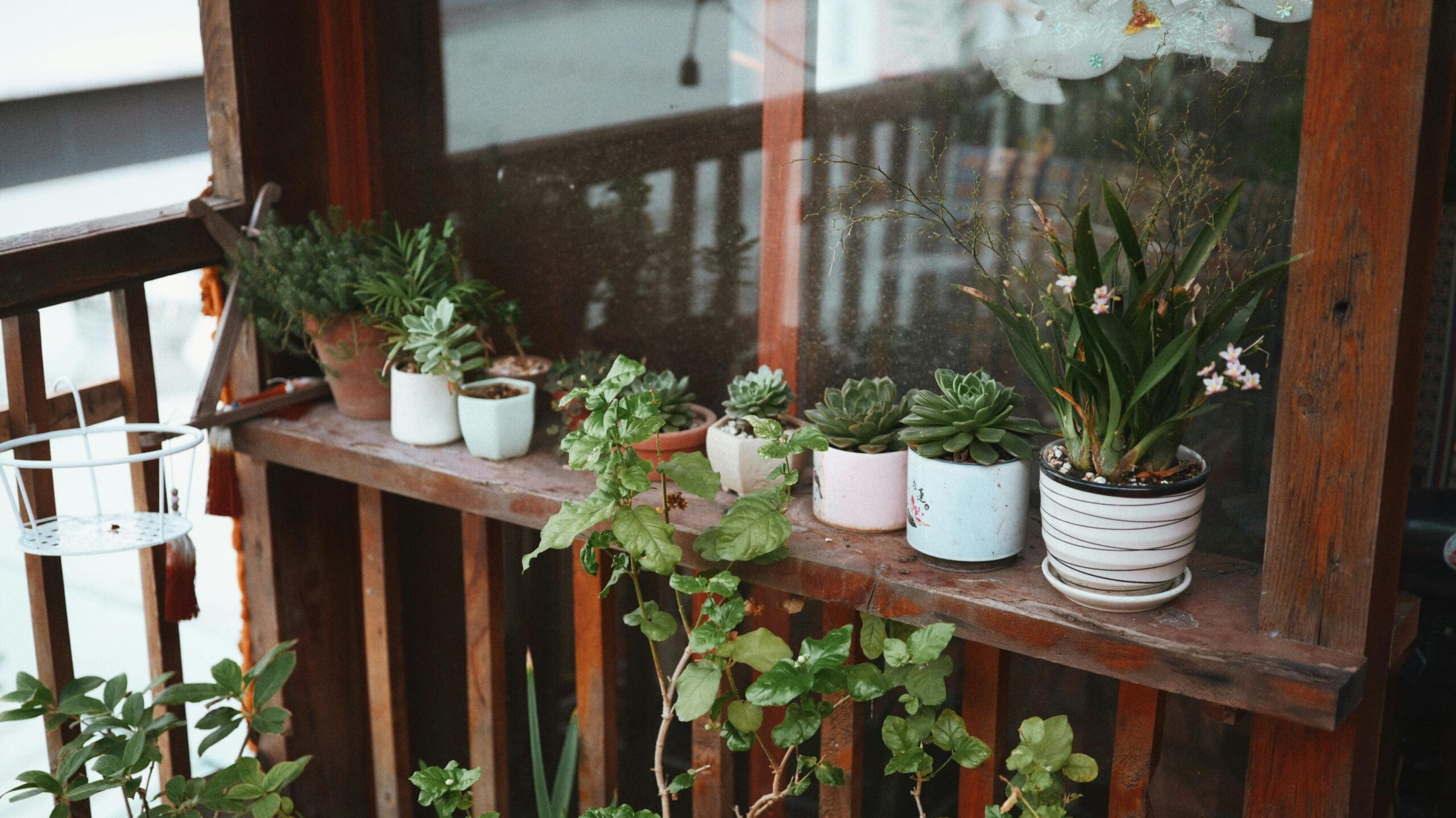

You do not need a massive backyard or a lot of money to grow your own food. Most people think gardening is an expensive hobby, but you can actually start a cheap balcony garden. These 10 methods for budget-friendly balcony vegetable planting will show you how to reuse household items and find cheap supplies to get your garden started today.
1. Use Upcycled Containers for Planting
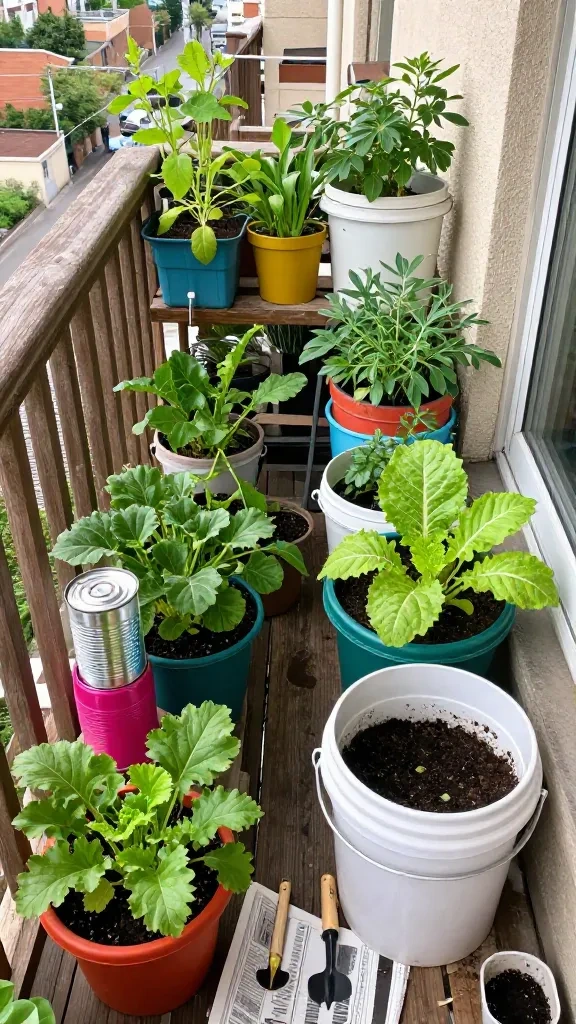
Spending money on ceramic pots or fancy planters can quickly drain your budget before you even buy seeds. You can save that cash for high quality soil by looking through your recycling bin instead. Food grade plastics and old household items work just as well as anything you would find at a garden center.
Plastic yogurt tubs and sour cream containers are perfect for starting small herbs like cilantro or chives. For larger crops like tomatoes or peppers, five gallon buckets from a hardware store or empty laundry detergent jugs are fantastic. Just make sure to scrub them thoroughly with warm soapy water to remove any chemical residue or food sugars.
The most vital step is ensuring your plants don’t drown in stagnant water. You must poke or drill several drainage holes in the bottom of every container you repurpose. If you are worried about the aesthetics, a quick coat of spray paint or a burlap wrap makes these mismatched items look intentional on your balcony.
2. Mix Your Own Cheap Potting Soil
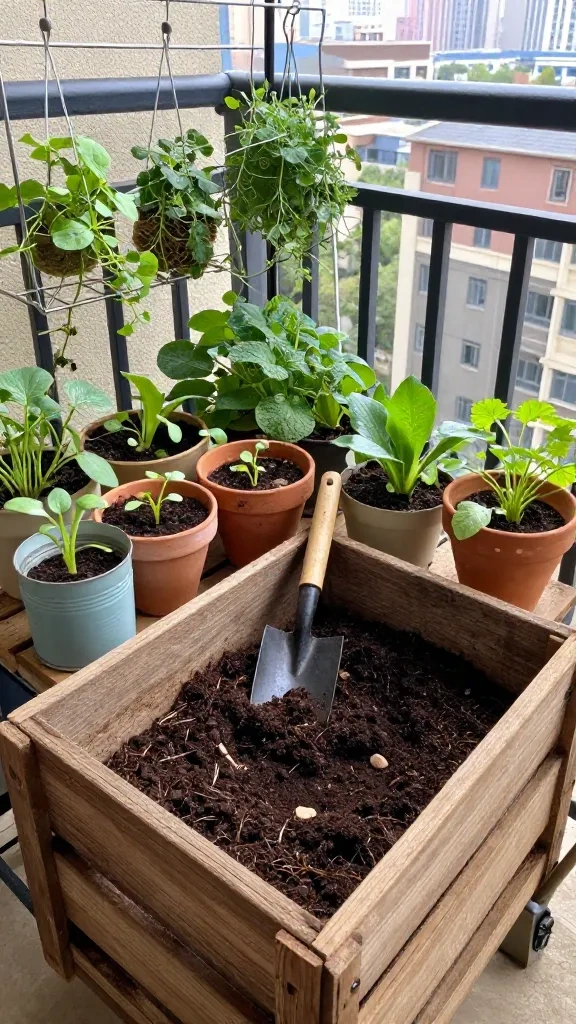
Last spring I spent forty dollars on fancy organic potting mix for just three balcony containers. I realized quickly that I was paying for mostly water and marketing, so I started mixing my own in a plastic storage bin instead.
| Ingredient | Purpose | Cheap Source |
|---|---|---|
| Peat Moss or Coir | Water retention | Compressed bales |
| Perlite | Drainage | Bulk bags |
| Compost | Nutrients | Local municipality |
You can make a massive batch by mixing equal parts peat moss, coarse sand or perlite, and screened compost. The bulk bales of peat moss look huge, but they last for several seasons and cost less than two small bags of name-brand soil.
If you want to skip the heavy lifting, check if your city offers free compost at the local dump. Just make sure to mix it with something lightweight like perlite so your balcony pots don’t become too heavy for the floor joists.
3. Start Seeds from Kitchen Scraps
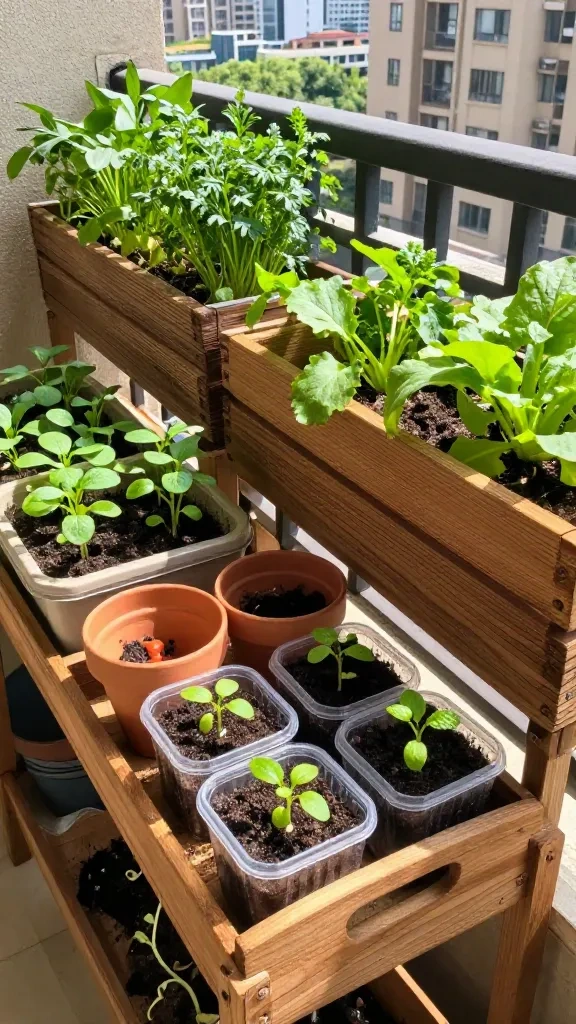
You’re literally throwing away free food every time you toss bell pepper cores or tomato guts into the trash. Those tiny seeds inside store-bought produce are often perfectly viable and ready to grow in a sunny corner of your balcony.
I usually just scoop out the seeds from a ripe tomato, rinse them in a fine mesh strainer, and let them dry on a paper towel for a few days. Once they aren’t sticky anymore, tuck them into a small pot of damp soil and wait for the green sprouts to appear.
Dry beans from your pantry are another secret weapon for a cheap garden. You can plant pinto beans or chickpeas straight from the bag as long as they haven’t been roasted or split.
Soak them in a glass of water overnight to kickstart the germination process before burying them an inch deep. It is a low-risk way to fill your space with lush vines without spending a single dime at the garden center.
4. Choose High-Yield, Low-Cost Vegetables
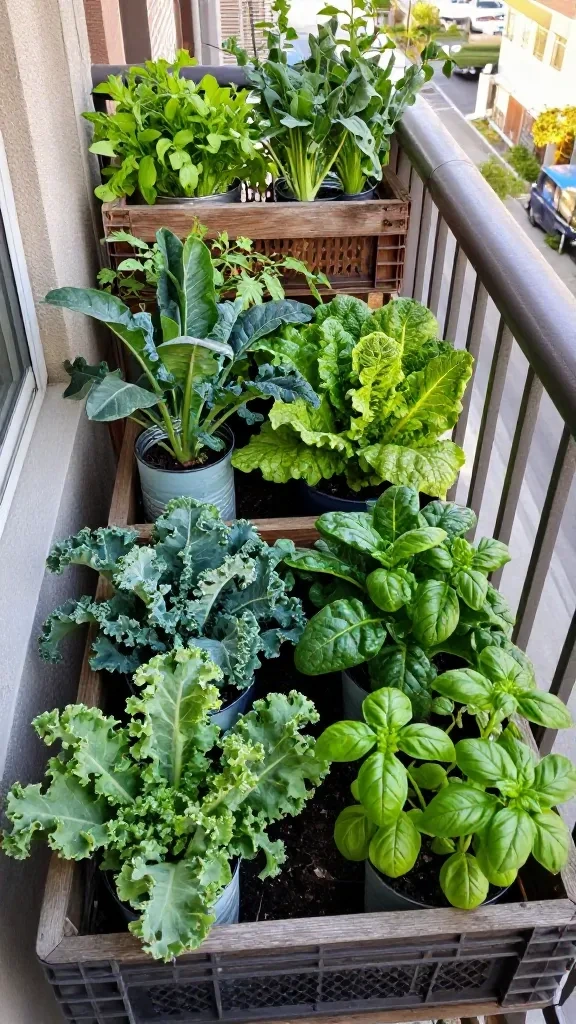
Stop wasting your limited balcony space on crops like corn or large melons that only give you one piece of fruit after months of work. You want to focus on cut and come again varieties that keep producing food every time you harvest a few leaves.
Buying a single packet of seeds for these prolific plants often costs less than a single bag of grocery store produce. These specific choices thrive in small containers and don’t require expensive specialty fertilizers to stay productive all season long.
- Loose-leaf lettuce and spinach grow quickly and allow you to harvest individual outer leaves while the center keeps growing.
- Radishes are ready to eat in just twenty five days, meaning you can grow several batches in the same pot throughout the spring.
- Zucchini plants are incredibly productive in large pots, often yielding more squash than a single person can actually eat.
- Bush beans take up very little vertical space but provide a steady supply of protein for your kitchen with minimal effort.
Selecting these high performers ensures your small investment in soil and seeds pays for itself within the first month of growth.
5. Build Simple Vertical Garden Walls
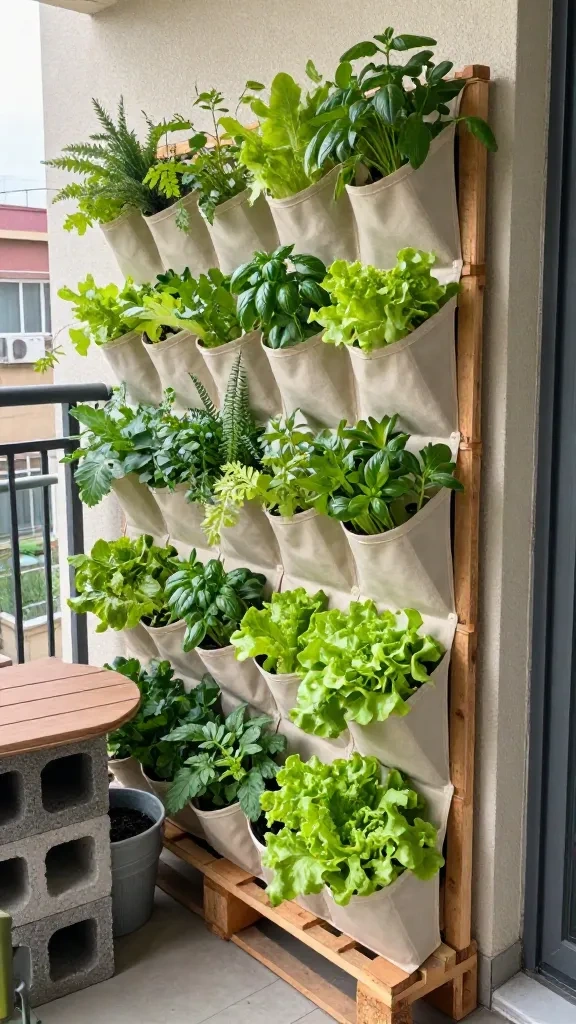
You don’t need a massive budget to grow food when you can just use your wall space. I usually tell people to grab a few wooden pallets or a cheap over the door shoe organizer to get started. These items are often free or cost less than ten dollars at a thrift store.
If you’re using a shoe organizer, just poke a few tiny drainage holes in the bottom of each fabric pocket. Fill them with a lightweight potting mix and tuck in some leafy greens or herbs like cilantro and mint. It keeps the plants off the floor and saves your precious square footage for a chair.
For a sturdier setup, you can zip-tie plastic soda bottles or small pots to a wire grid or a piece of lattice. I’ve found that strawberries thrive in this kind of vertical setup because the fruit stays off the soil and doesn’t rot. It makes watering much easier since you can just start at the top and let the excess drip down to the rows below.
6. DIY Trellises Using Twine and Sticks
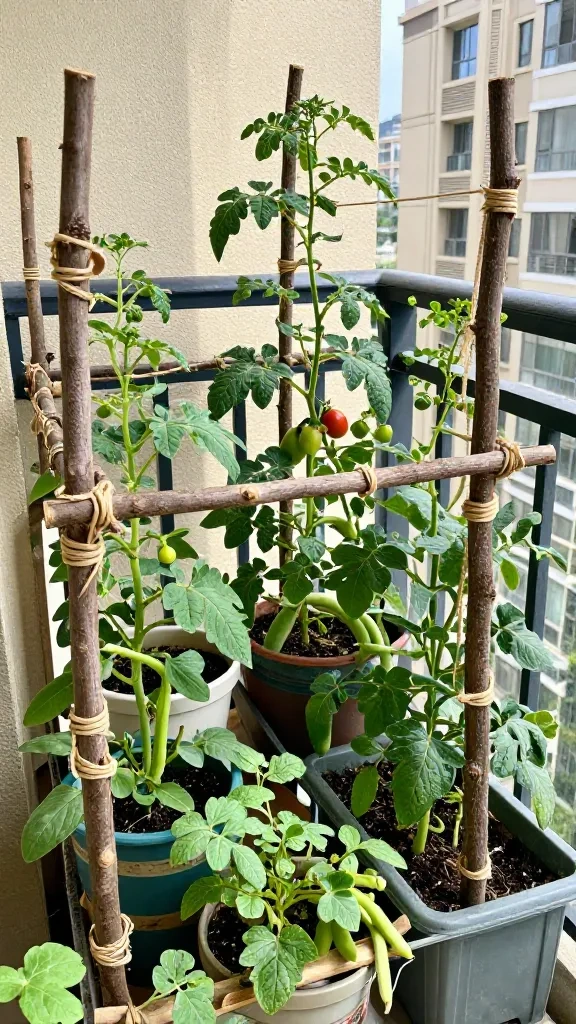
You don’t need to spend thirty dollars on a plastic trellis from the hardware store when the park has everything you need for free. If you can find a few sturdy fallen branches or bamboo stakes, you can build a custom support system that fits your specific balcony pots perfectly.
The real secret is in the lashing technique you use to keep everything steady. Instead of just wrapping the twine randomly, use a clove hitch knot to secure the horizontal crossbars to your vertical sticks. This prevents the weight of heavy cucumbers or tomatoes from sliding the twine down the poles when the plants get big.
- Select your uprights by finding three or four straight sticks that are at least four feet tall.
- Push the base of each stick deep into the soil at the corners of your container to create a stable foundation.
- Wrap the twine tightly around the top of the sticks to form a teepee shape or tie them in a grid pattern.
- Check the tension by giving the twine a firm tug to ensure it can handle the wind on a high floor.
I usually prefer jute twine because it has a rough texture that helps climbing pea tendrils grab hold easily. Once the season ends, you can just toss the whole thing in the compost since it’s all natural material.
7. Install a Simple Self-Wicking System
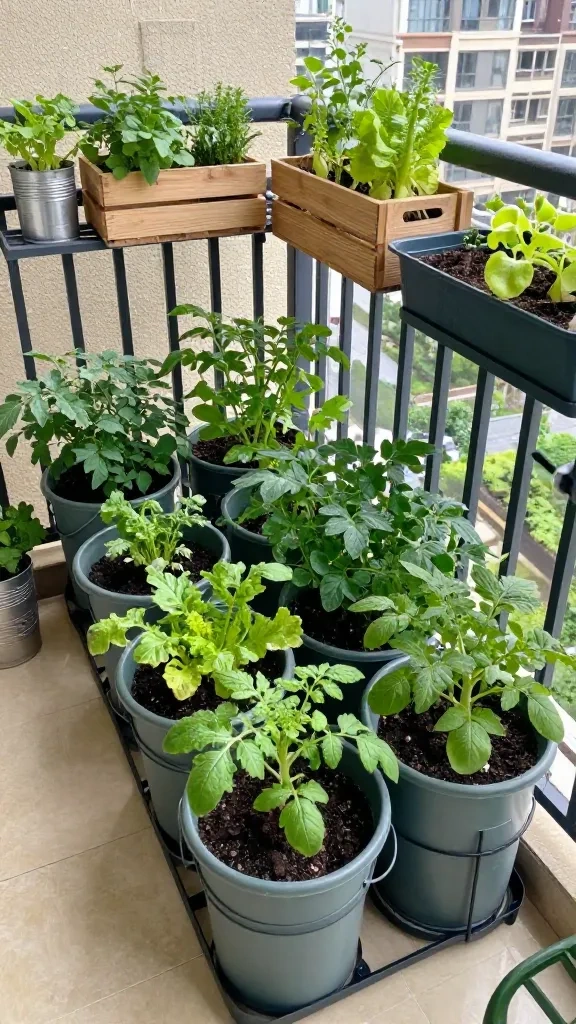
You can buy expensive self-watering planters from the garden center, but they usually cost more than the actual vegetables you’re growing. A cheaper alternative is the double bucket system where you nest one five gallon bucket inside another to create a water reservoir at the bottom.
The store bought versions look sleeker on a balcony, but they often have small water tanks that run dry during a heatwave. Building your own allows you to use a thick cotton rope or a plastic cup filled with soil as a large wick. This DIY method keeps the soil consistently moist for days without you touching a watering can.
I recommend sticking with the DIY bucket method if you want to save money and grow thirsty plants like tomatoes. Just drill a small drainage hole in the side of the outer bucket so you don’t accidentally drown your roots. It’s the most reliable way to keep your balcony garden alive when you’re away for the weekend.
8. Brew Free Homemade Compost Tea
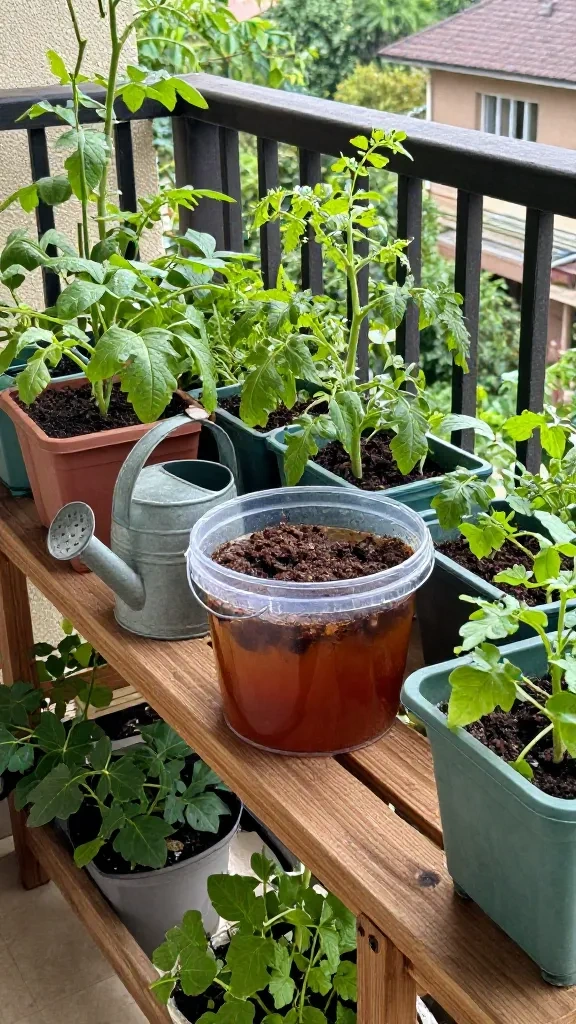
Store bought fertilizers are surprisingly expensive when you just have a few pots on a balcony. You can save that cash by making compost tea, which is basically a liquid vitamin boost for your plants. It puts nutrients directly into the soil in a form that roots can soak up immediately.
To make it, just grab a handful of finished compost or even some old vegetable scraps and soak them in a bucket of water. Let the mixture sit for about twenty four hours until the water turns the color of weak coffee. This process pulls out the beneficial microbes and minerals that make your tomatoes and peppers thrive.
When you’re ready to feed your garden, pour the liquid directly onto the soil around the base of your plants. It’s much safer than chemical fertilizers because it won’t burn the delicate roots of your greens. Do this once every two weeks to keep your balcony garden lush without spending a dime at the garden center.
9. Make Natural Soap Spray for Pests
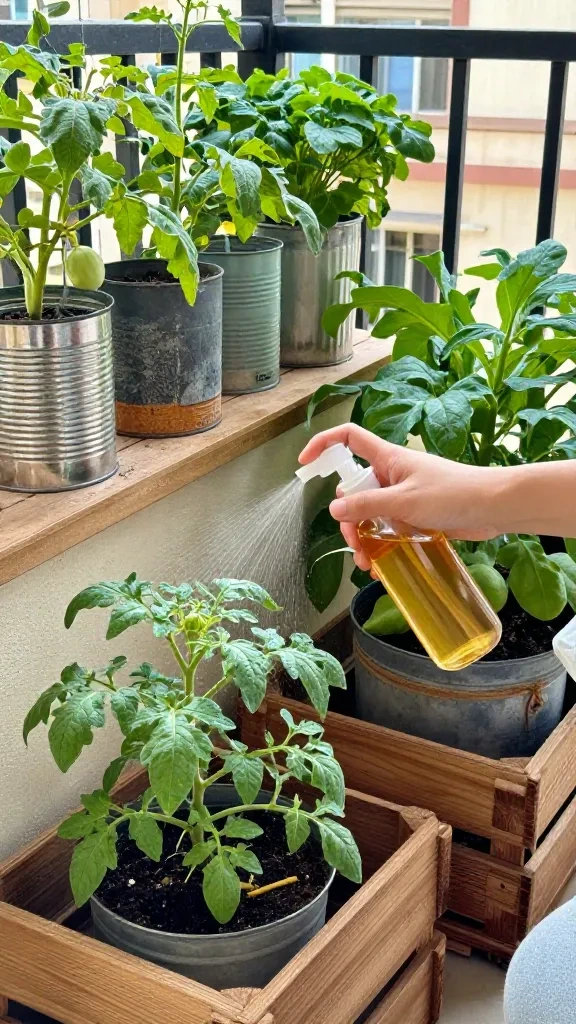
You might walk out to your balcony and find tiny green aphids huddled under your kale leaves. Instead of buying a pricey chemical bottle, you can mix a simple solution using items already in your kitchen.
| Ingredient | Purpose | Common Mistake |
|---|---|---|
| Castile Soap | Suffocates soft-bodied insects | Using dish soap with degreasers |
| Warm Water | Acts as the carrier base | Using boiling water that burns leaves |
| Vegetable Oil | Helps the mixture stick to bugs | Adding too much and clogging pores |
Mix one tablespoon of liquid castile soap into a quart of water. Add a teaspoon of oil to help it cling to the pests during dry weather.
Shake the bottle well and spray directly on the insects during the early morning. This timing prevents the sun from scorching the wet leaves while the soap does its work.
Make sure you coat the undersides of the leaves where mites and aphids love to hide. It is a cheap way to keep your greens healthy without using harsh toxins near your food.
10. Maximize Sunlight with Shelf Placement
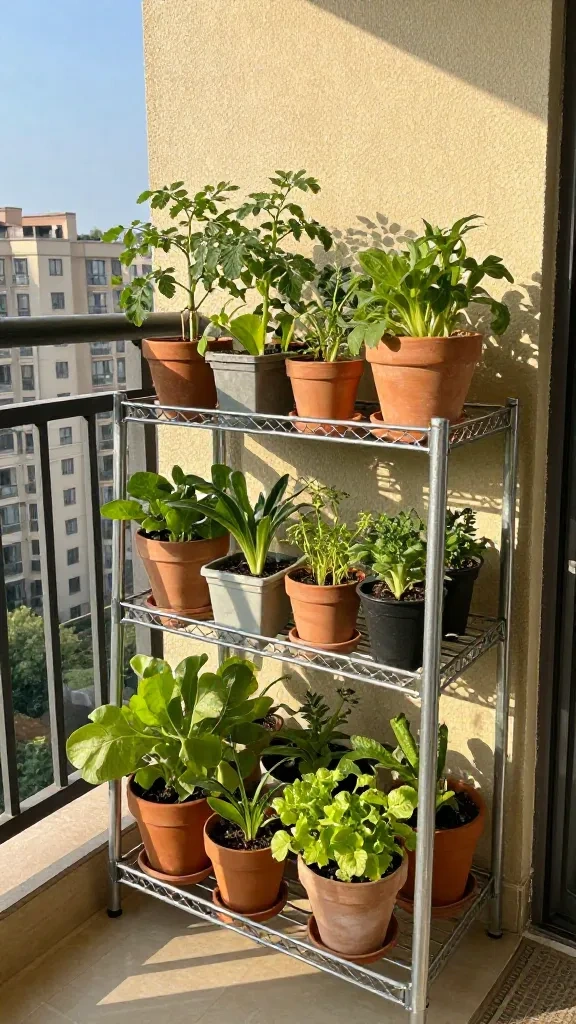
Your balcony floor is likely the worst place for your plants because it stays in the shade for most of the day. You can double your harvest just by lifting your pots off the ground and into the direct path of the sun.
A cheap set of metal utility shelves or an old wooden ladder works perfectly for this setup. Position the tallest shelves against the back wall to catch the high afternoon rays while keeping smaller pots on the front edges.
This vertical approach lets you stack light hungry crops like cherry tomatoes on the top tier where they get unobstructed exposure. Leafy greens like spinach can sit on the lower shelves since they actually prefer the dappled light created by the plants above them.
You’ll notice that even a few inches of extra height can mean the difference between a leggy seedling and a productive plant. It’s a simple way to use every square inch of light without spending a fortune on fancy grow lamps.
Wrapping Up
Growing your own food does not have to be expensive. By using these 10 methods for budget-friendly balcony vegetable planting, you can turn a small outdoor space into a productive garden without overspending on fancy gear. It is all about being resourceful with what you already have. Grab some seeds and start your first pot today because fresh home-grown produce is worth the effort.
