

You want a garden that doesn’t eat your weekends, drain your wallet, or turn into a compost heap of broken dreams? Same. Good news: you don’t need a big yard, fancy tools, or mystical green-thumb powers. You just need simple setups, the right plants, and a little routine. Let’s build a low-effort, high-reward garden you’ll actually enjoy.
Start Small, Win Big
You don’t need ten raised beds and a drip system your first season. Start with one container, one sunny corner, or one raised bed. That’s it. You’ll learn faster, make fewer mistakes, and still get brag-worthy harvests.
Pick one of these beginner-friendly starts:
- Two large containers on a balcony
- One 4×4 raised bed in a sunny patch
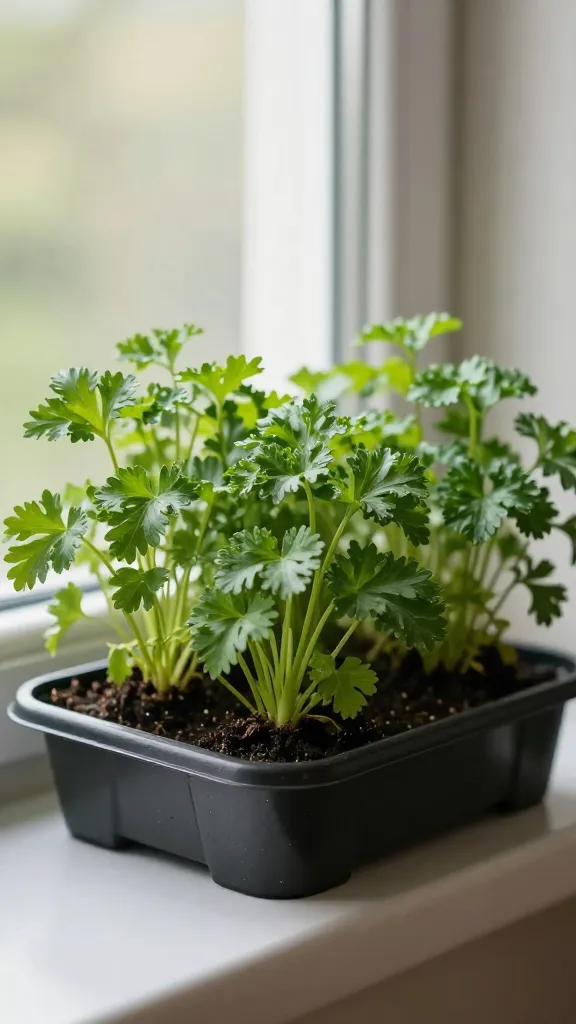
- A windowsill herb tray if you only get indoor light
Sunlight: Your Real Boss
Most veggies and herbs need 6–8 hours of direct sun. If you get less, lean into leafy greens, mint, parsley, and chives. Not sure how much sun you have? Watch the spot for a day or use a sun-tracking app. No shame—clouds and tall fences love to lie.
Containers: The Low-Commitment Option
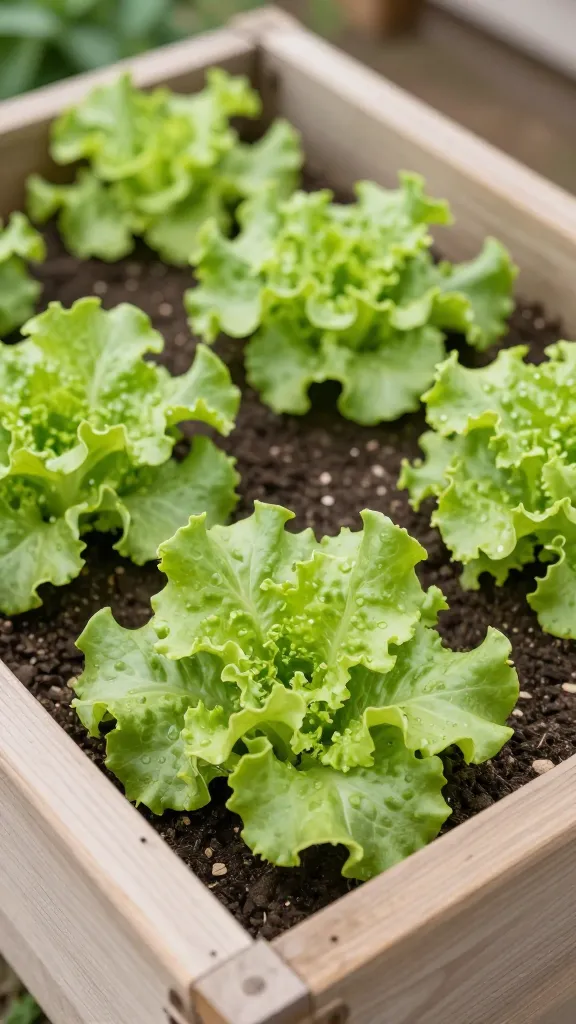
Containers make gardening portable, tidy, and easy to control. You’ll sidestep bad soil, weeds, and some pests. Also, you can move a pot if the sun plays hide-and-seek. Flexibility = fewer headaches.
Container basics that matter:
- Size: Bigger pots dry out slower. Go 12–16 inches wide for tomatoes, peppers, or bush beans. Herbs and lettuce thrive in smaller pots or window boxes.
- Drainage: Holes at the bottom = non-negotiable. No holes, no plant.
- Soil: Use high-quality potting mix, not garden soil. Potting mix holds moisture without drowning roots.
Beginner Container All-Stars
- Cherry tomatoes: Reliable, sweet, and productive. Look for dwarf or patio varieties.
- Herbs: Basil, chives, mint (keep mint in its own pot unless you enjoy chaos).
- Lettuce and spinach: Fast, forgiving, and happy with partial sun.
- Peppers: They love warmth and don’t need a massive root zone.
Raised Beds: The Easy-Mode Garden Plot
Raised beds keep things neat and let you control soil from day one. They drain well and warm up faster in spring. Also, weeds hate them. Well, they dislike them. Weeds hate nothing.
Build or buy? Either. A simple 4×4 or 4×8 bed works great. Depth of 10–12 inches covers most veggies.
Soil Mix That Just Works
Use a blend like:
- 1/3 compost
- 1/3 coconut coir or peat moss
- 1/3 perlite or coarse sand
Top with a thin layer of compost each season and boom—you’ve got fertility without complicated chemistry. IMO, raised beds pay for themselves in fewer problems.
Plants That Forgive (And Still Taste Great)
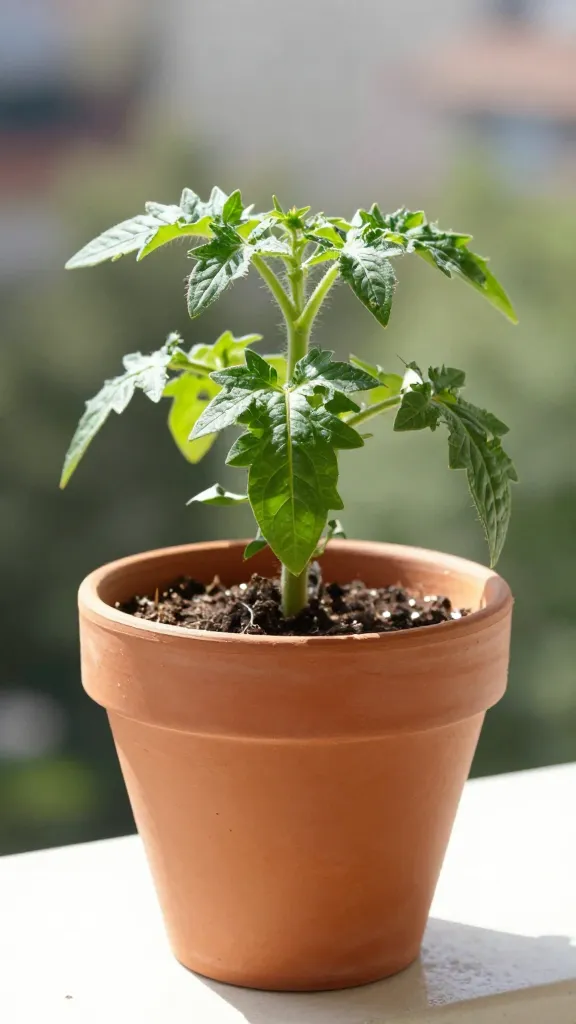
You want plants that shrug off rookie mistakes. Save the diva heirloom melons for later. For your first season, think simple and snackable.
Best-for-beginners list:
- Cherry tomatoes: Produce like crazy, taste like summer.
- Leafy greens: Lettuce, kale, arugula—cut and come again for weeks.
- Herbs: Basil, parsley, cilantro, chives, mint—cheap to grow, pricey to buy.
- Radishes: Ready in 25–35 days. Instant gratification.
- Bush beans: Easy, tasty, and no trellis drama.
- Zucchini: One plant can feed a neighborhood. Proceed with caution.
Seeds vs. Starts
Buy starts (young plants) for tomatoes and peppers. They take forever from seed. Direct sow radishes, lettuce, beans, and peas. Herbs go either way, but basil from a start = faster pesto.
Watering Without the Guesswork
Overwatering kills more beginner gardens than anything. Plants don’t need baths; they need drinks. Let the soil guide you—not your calendar.
Easy watering rules:
- Finger test: Stick a finger 1–2 inches into the soil. If it’s dry at your fingertip, water. If it’s damp, wait.
- Water deeply: Soak until water drains out the bottom. Shallow sips train weak roots.
- Morning wins: Leaves dry faster, fewer diseases, happier plants. FYI, evening watering can work in hot climates, just avoid wet leaves overnight.
Low-Effort Upgrades
- Mulch: A 1–2 inch layer of shredded leaves or straw keeps soil moist and cool.
- Self-watering containers: They buffer against heat and busy weeks.
- Simple drip kit + timer: Weekend trips no longer equal plant funerals.
Feed Them (But Don’t Overdo It)
Plants burn through nutrients, especially in containers. Feed lightly and regularly. Think “smoothie,” not “buffet.”
Beginner-friendly approach:
- Slow-release fertilizer: Mix into potting soil at planting time. Easy and steady.
- Compost tea or liquid organic feed: Every 2–3 weeks during active growth.
- Watch the leaves: Pale leaves = hunger. Dark green, lush growth with no fruit = too much nitrogen.
Pests, Problems, and Chill Solutions
You will meet bugs. Don’t panic-spray everything. Most issues have simple fixes, and nature often handles a lot for you.
Quick wins:
- Hand-pick: Knock beetles and caterpillars into soapy water. Brutal but effective.
- Netting and row covers: Keep pests off greens and brassicas without chemicals.
- Neem oil or insecticidal soap: Use only if needed and follow labels.
- Airflow: Space plants so leaves dry fast. Mildew hates breezes.
Common Oops Moments (And Fixes)
- Leggy seedlings: They reached for light. Move them to brighter light or outdoors.
- Yellow leaves at the bottom: Often normal aging or mild nitrogen dip. Add a light feed.
- No fruit on tomatoes: Too hot or too shady. Shake flowers gently to help pollination and wait out heat waves.
Planting Plans That Don’t Overwhelm
Want a plug-and-play plan? Here’s a simple setup you can copy and tweak. It keeps harvesting steady without chaos.
One 4×4 Bed Layout
- Corner 1: 1 cherry tomato with a cage
- Corner 2: 1 bell pepper
- Side strip: 6 bush beans
- Front strip: 8–10 lettuce plants, staggered over two weeks
- Gaps: Basil and chives as companions
Succession plant lettuce every 2 weeks. When beans slow down, pop in radishes or a second round of greens. Easy.
Balcony Container Plan
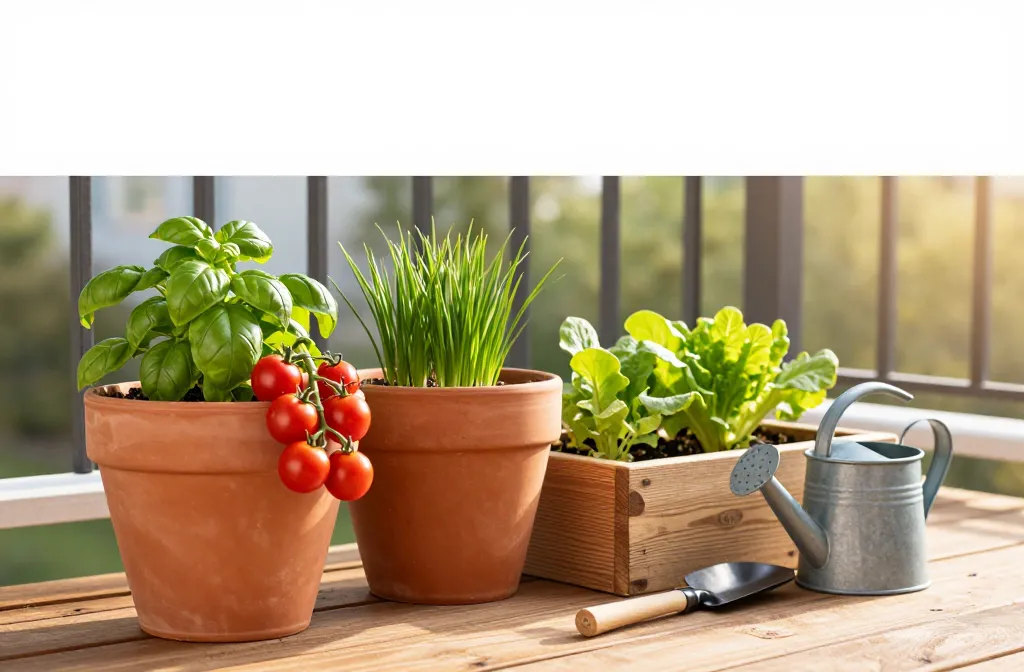
- Pot 1 (16″): Cherry tomato + basil
- Pot 2 (12–14″): Bell pepper
- Window box: Lettuce mix + chives
- Small pot: Mint (alone, always alone)
FAQ
How much time will this take each week?
Plan for 10–20 minutes, 3–4 days a week. Water, quick pest check, harvest, done. Peak summer might nudge that up, but it still beats doomscrolling.
What if I only have shade?
Grow herbs like mint and parsley, plus leafy greens like lettuce, spinach, and arugula. They tolerate partial shade and still deliver. Skip fruiting crops like tomatoes and peppers—they crave sun like lizards on a rock.
Do I need special tools?
Nope. Start with a hand trowel, pruners, gloves, and a watering can or hose with a gentle spray head. Add a small rake or cultivator later if you feel fancy.
When should I plant?
Check your local frost dates and plant after the last frost for warm-season crops. Cool-season crops (lettuce, peas, radishes) can go in earlier. FYI, garden centers time their stock to local seasons—use that as a cheat sheet.
Why did my herbs bolt (flower) so fast?
Heat and stress trigger bolting. Harvest often, keep soil evenly moist, and give partial afternoon shade in hot climates. Pinch off flower buds to stretch the season.
Can I grow organically without it being complicated?
Yes. Use good soil, mulch, compost, and physical barriers like netting. Spot-treat with insecticidal soap or neem only if needed. Healthy plants resist most drama.
Conclusion
You don’t need perfect conditions—you need a simple start and a tiny routine. Pick a handful of forgiving plants, water when the soil asks, and harvest often. Before long, you’ll wonder why you waited so long to grow your own snacks. IMO, the first cherry tomato you eat still warm from the sun will convert you for life.
