
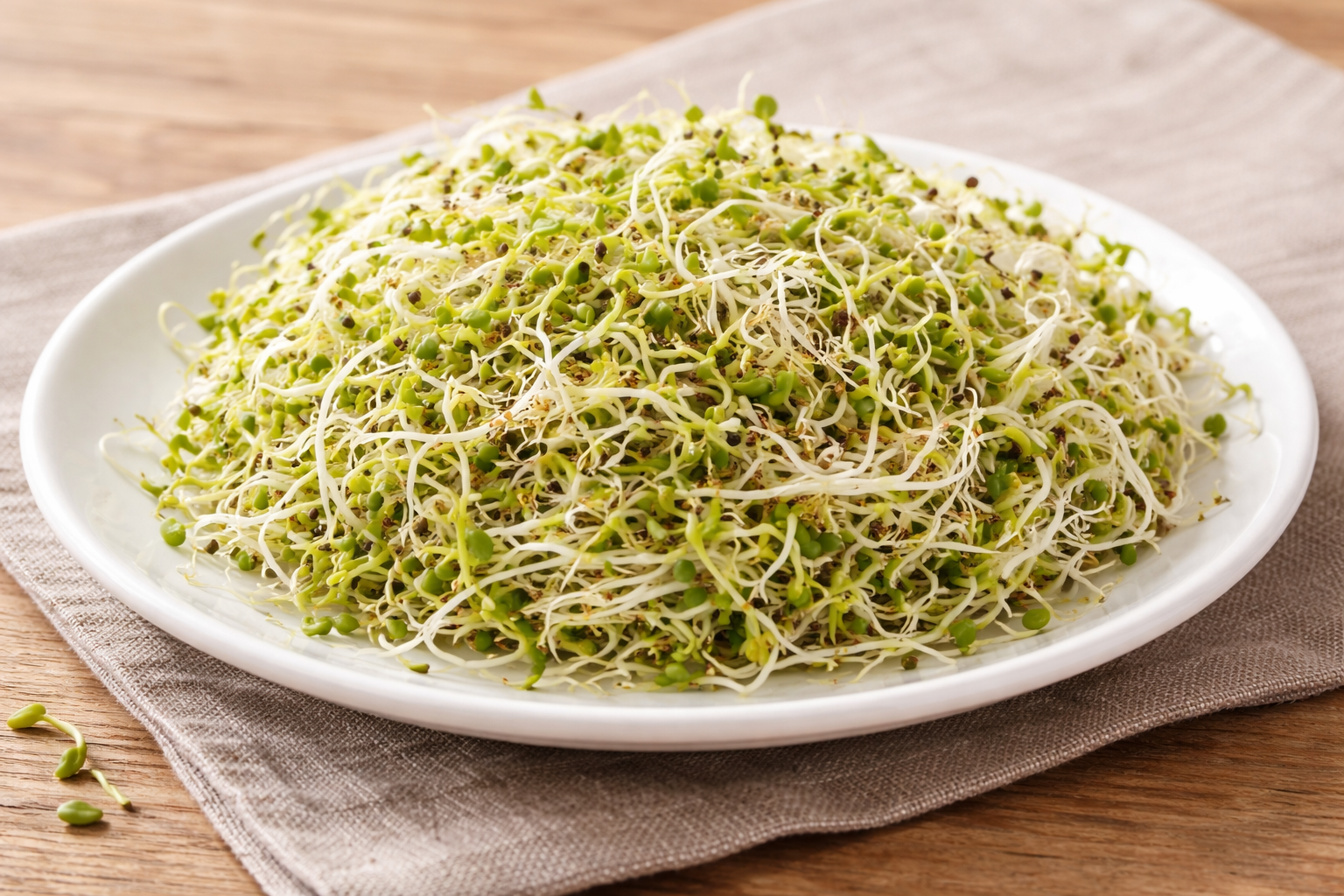

If you are looking to improve your health, one of the best things you can do is grow your own sprouts. Broccoli sprouts are so nutritious as they are very high in a compound called sulforaphane. But which broccoli sprout seeds should you try? In this post, we will uncover what makes the best broccoli sprout seeds, the different kinds, and some of our top picks.
What Makes the Best Broccoli Sprout Seeds
When it comes to choosing seeds, there are a few things that we recommend looking for. We believe the quality of the seed, if they are organic, clean and traceable, and highly‑viable are all important. These are so you can get reliable sprouting, minimal contamination risk, and consistent flavor and nutrition. Here is some further info on these.
Seed Quality and Purity
You want broccoli sprout seeds that are free of debris and broken bits. Inspect product photos and packaging descriptions for terms like “cleaned” or “screened.” Suppliers that list microbial testing or provide a lot/batch number make it easier to verify quality.
Buying from reputable sellers reduces the chance of mold, E. coli, or Salmonella on sprouting seeds. Look for resealable packaging and storage guidance; those indicate the seller cares about purity during transit. If you plan frequent sprouting, choose bulk counts that still list harvest or packing dates to avoid aged seed lots.
Non-GMO and Organic Certifications
You should prioritize certified organic broccoli seeds when you want to avoid pesticide residues and conventional seed treatments. Certified organic broccoli seeds and labels such as USDA Organic provide a clear standard for growing and handling practices.
We also recommend Non‑GMO Project broccoli seeds. Certifications give you a verifiable claim you can trust. You can check packaging images and product pages for the certifier’s logo and certificate number. Certified organic and non‑GMO options often come with higher cost but reduce questions about inputs used during seed production.
Germination Rates and Freshness
Germination rate determines how densely you can sow and how quickly you’ll get a full tray of sprouts. Expect high‑quality sprouting seeds to list germination percentages; its ideal to aim for 85% or higher for reliable home sprouting. Sellers that provide recent germination test dates give you a realistic expectation of yield.
Freshness also matters. Seeds stored in climate‑controlled conditions retain viability longer. Look for packing dates and storage instructions; suppliers citing climate‑controlled storage or cooler transit reduce the drop in germination rates. If germination information isn’t listed, contact the seller; a prompt, transparent reply is a good sign of trustworthy seed quality. If you ever see seeds at an outside home and garden center like Menards, DO NOT buy them!
Related: Check Out Our Page on Indoor Edibles
Other Things To Know Regarding Broccoli Sprouting Seeds
There are also other things to consider, such as if the seed is heirloom or hybrid, whether you should buy in bulk or in smaller packs, as well as the nutritonal content. Below are some things to consider.
Heirloom vs Hybrid Seeds
Heirloom sprout seeds come from stable, open‑pollinated lines you can save seed from if you plan to grow plants to maturity. When you want consistent flavor and predictable germination for repeated sprouting, heirloom broccoli sprout seeds give reliable results and avoid traits that change over generations.
Hybrid seeds are bred for traits such as uniform size, faster germination, or higher yield in mature plants. For sprouting, hybrids can offer very high germination rates and vigorous cotyledon growth, which speeds up harvest cycles. Hybrids may not produce true‑to‑type plants if you try to save seed, but that rarely matters if you only want nutrient‑dense sprouts.
Bulk Buying vs Smaller Packs
Buying bulk broccoli sprouting seeds reduces cost per tray but requires proper storage to preserve viability. A 1 lb bag often contains 100k+ seeds, enough for dozens of microgreen or sprout trays. Store in a cool, dry place or refrigerate in an airtight container to keep germination rates high across months.
Smaller packs suit occasional sprouters and let you test different varieties like an heirloom line or a sprouting seed mix without large upfront cost. They also minimize waste if you discover a brand has lower-than‑advertised germination. If you sprout weekly, bulk is usually more economical; if you sprout rarely, buy smaller quantities.
Top Broccoli Sprout Seeds You Can Buy
Ok, so that is all fine and all, but you probably came here to find some of the top broccoli sprout seeds you can buy. Here you’ll find a list of some of the top ones.
1) Nature Jims Sprouts
Nature Jims sells a mixed broccoli sprout seed and single-seed options that many home growers choose for ease of use. Their Salad Sprout Mix combines broccoli with alfalfa and radish, giving you quick germination and a variety of flavors in one 1 lb option that suits frequent sprouters.
They also emphasize non-GMO status and organic claims on mixed packs. That makes these seeds practical if you want a multi-sprout tray without buying multiple single-variety jars.
If you need pure broccoli sprouts for maximum sulforaphane, check the package for single-seed broccoli listings rather than blends. Blends simplify variety but dilute the broccoli-specific nutritional profile.

2) Rainbow Heirloom Seed Co. Offerings
Rainbow Heirloom focuses on heirloom and non-GMO seed lines that appeal to gardeners wanting true-to-type broccoli varieties. You’ll find packets sized for garden planting and small-scale sprouting; their descriptions typically list days-to-harvest and recommended spacing for microgreens.
Their broccoli sprout seeds often include variety names (for example, “Calabrese” or “De Cicco”), which helps you match flavor and maturity to your needs. That matters if you plan both garden broccoli and indoor sprouting from the same seed line.
Buyers who prioritize traceability and variety history will appreciate the clear varietal labeling. If you want high germination for consistent trays, check recent customer germination reports or ask the seller about lot testing.

3) NOW Foods
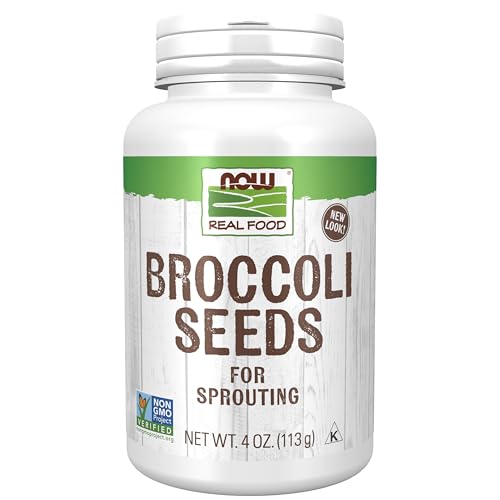
NOW Foods supplies broccoli sprout seeds marketed primarily for nutritional sprouting and powdering. They tend to emphasize consistent germination rates and clean packaging suitable for food use, which is useful if you harvest sprouts frequently for smoothies or salads.
You can expect standardized pack sizes and clear storage guidance from NOW and comparable brands. That helps you predict how long a given pouch will last when sprouting two to three times per week.
4) Sereniseed Organic Broccoli Sprout Seeds
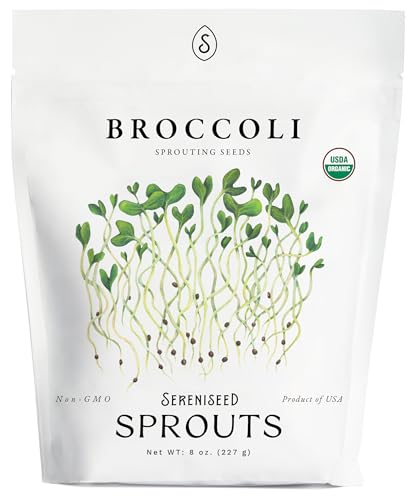
Sereniseed offers certified organic broccoli sprout seeds aimed at small-batch growers and sprout enthusiasts. They offer organic certification and recommend jar or tray sprouting, which benefits you if pesticide-free seed is a priority.
You’ll find smaller, kitchen-friendly pack sizes that reduce the risk of long-term storage degradation. That matters because broccoli seed quality can drop over time.
If you want a seed source explicitly targeted at sulforaphane-rich sprouts, look for Sereniseed labels that note intended sprouting use and organic credentials. Cross-compare with other sellers’ germination claims to confirm performance before buying.
Affiliate Disclosure:
Some of the links in this post may be affiliate links. This means that if you click on a link and make a purchase, I may earn a small commission at no extra cost to you. I only recommend products and services I genuinely believe in. Thank you for supporting this blog!