
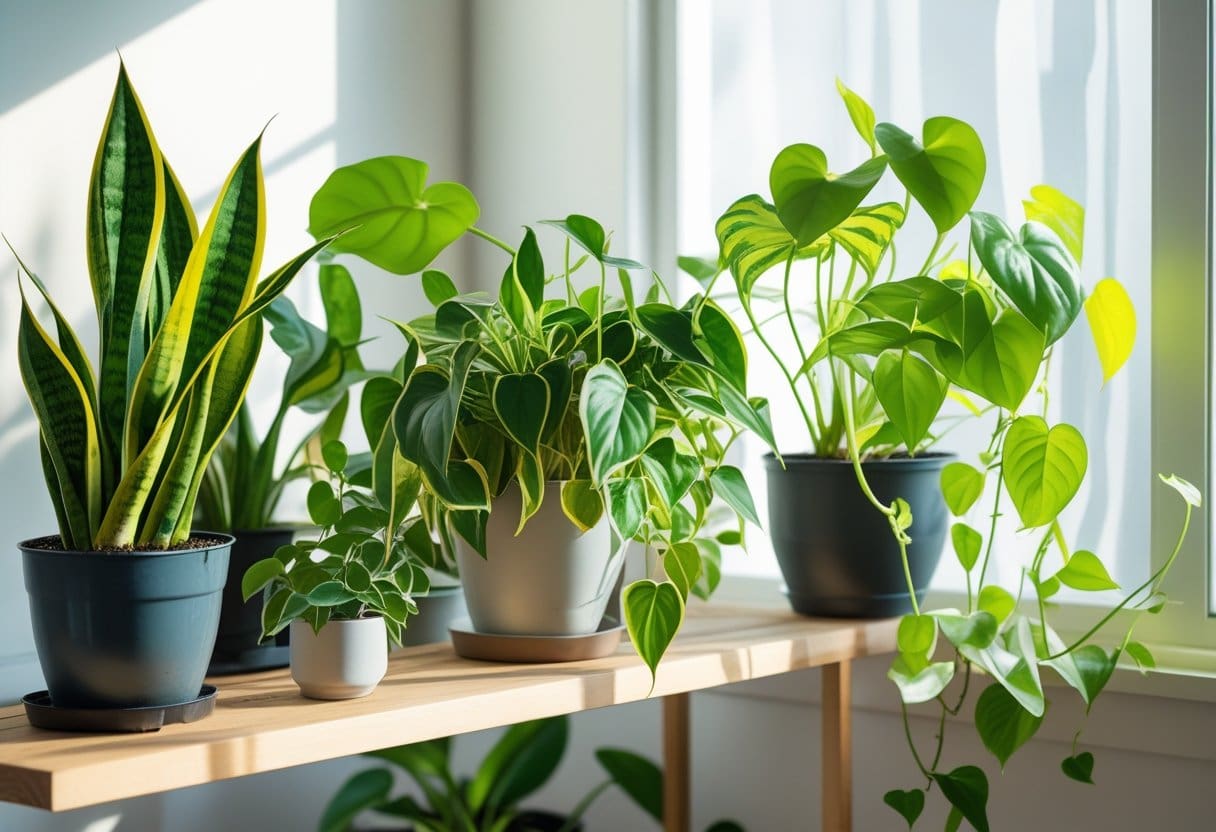

You can bring green life into your home without a lot of fuss or houseplant drama. The best indoor plants for beginners are tough, forgiving, and need only basic light and watering—so you can start strong even if you’ve never owned a plant before.
This guide will show what makes a great beginner houseplant and give straight, practical picks that fit low-light corners, busy schedules, and small spaces. Whether you want a single, hard-to-kill pothos or a small collection to boost mood and air quality, you’ll find options that fit your space and habits.
Key Takeways
Beginner-friendly indoor plants tolerate irregular watering, survive in bright indirect to medium light conditions, and recover from periods of neglect without suffering permanent damage.
• Low-maintenance houseplants typically feature thick or waxy leaves that store moisture, require soil to dry 1–2 inches deep between waterings, and thrive in standard indoor temperatures of 60–75°F without special humidity adjustments.
• Pothos, snake plant, spider plant, ZZ plant, and peace lily rank among the most forgiving starter plants because they show clear visual signals when they need water and adapt to common home lighting conditions.
• Proper drainage through containers with drainage holes and well-draining potting mix prevents root rot, which is the most common cause of failure in beginner houseplant care.
What Makes a Great Indoor Plant for Beginners
Good starter plants survive a bit of neglect, do well in common home light levels, and handle simple watering routines. You want plants that recover from missed waterings, grow in bright indirect to medium light, and fit into easy care spots like shelves or windowsills.
Low-Maintenance Qualities
Choose plants that tolerate irregular care. Look for species labeled as low-maintenance indoor plants or low-maintenance houseplants. These often have thick or waxy leaves that hold moisture, like snake plants and ZZ plants, or trailing habits like pothos that don’t need constant shaping.
Pick containers with drainage and use a well-draining potting mix to cut down on root rot risk. Avoid finicky varieties that require precise humidity or daily misting. Aim for plants that show clear, slow signals when they need attention — yellowing lower leaves or droop after long dry spells — so you can respond without constant monitoring.
Light and Watering Requirements
Match plants to the light you actually have. Bright indirect light suits many beginners; think near an east or west window where sun is filtered. Medium light areas work for most pothos, philodendrons, and spider plants. Avoid plants that demand full sun unless you have a south-facing window.
Set a simple watering schedule based on soil feel and plant type. For many low-maintenance houseplants, let the top 1–2 inches of soil dry before watering. Use a watering can that lets you soak the soil thoroughly, then let excess drain. Keep a small notebook or phone reminder to track waterings at first; you’ll soon learn each plant’s rhythm.
Adaptability to Indoor Environments
Choose species that tolerate indoor temperature swings and typical home humidity. Many beginner plants handle 60–75°F and average indoor humidity without special care. Look for adaptable names like pothos, snake plant, spider plant, and ZZ plant when shopping.
Consider space, pet safety, and growth habit. Trailing plants work on shelves; upright succulents suit sunny sills. If your home runs dry in winter, pick plants that cope with lower humidity or place a tray of pebbles and water nearby to raise local humidity. Adaptability lets your plants thrive in real home conditions, not perfect greenhouse setups.
Top Easy Indoor Plants for Beginners
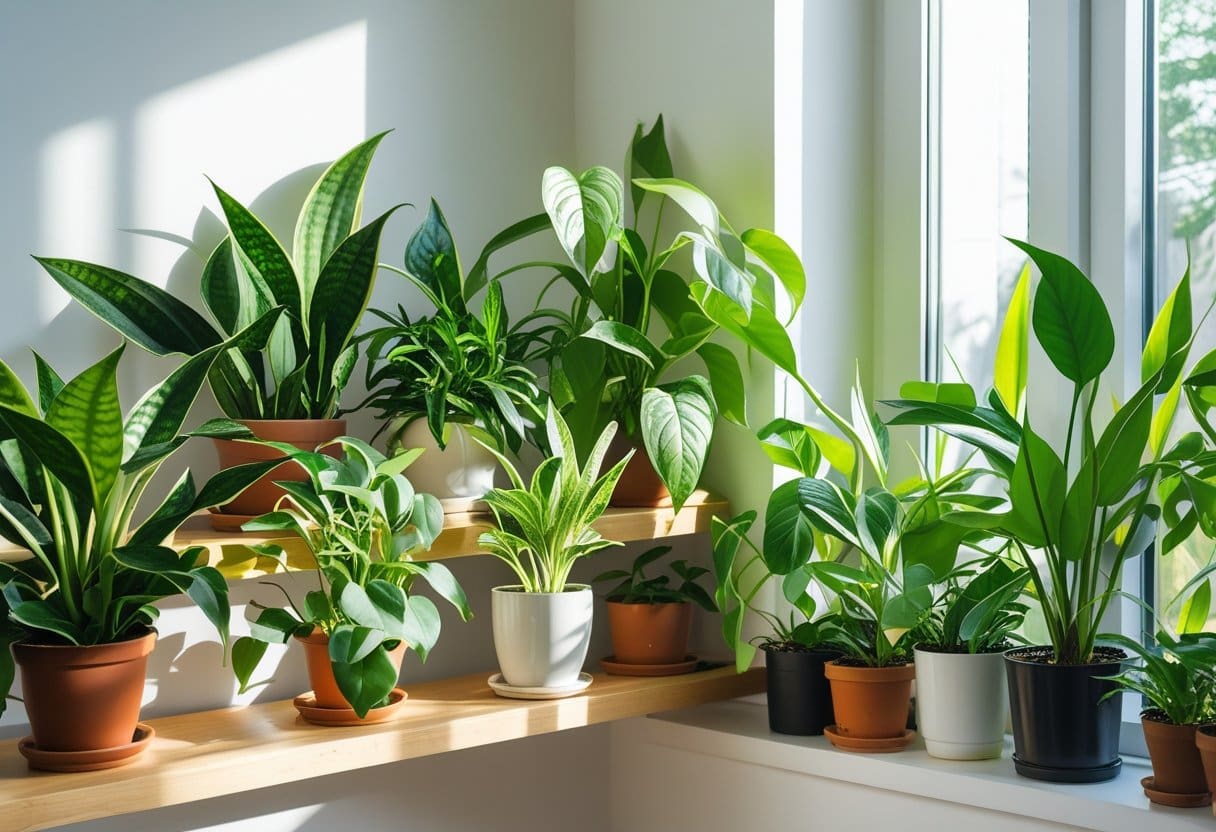
These plants tolerate low fuss and forgive missed waterings. They work well in apartments, offices, or rooms with mixed light, and each one has a clear care habit to learn.
Pothos
Pothos (Epipremnum aureum) climbs or trails and grows fast in bright, indirect light but also survives low light. You can pot it, hang it, or train it up a stake. Water when the top 1–2 inches of soil feel dry; pothos tolerates occasional drought better than constant wet soil.
Leaves vary from solid green to variegated yellow or white, so choose a variety you like—Golden, Marble Queen, and Neon are common. Trim back leggy vines to encourage bushier growth. Pothos also roots easily from stem cuttings, so you can make new plants from a single vine.

Related: Check Out This Post On Plants That Are Nearly Impossible To Kill
Snake Plant
Snake plant (often labeled Sansevieria) has stiff, upright leaves and needs very little care. Place it in bright, indirect light for fastest growth, but it will survive low light and fluorescent office light. Water sparingly—allow the soil to dry out fully between waterings.
Snake plants handle neglect, making them ideal if you travel or forget watering. They prefer well-draining soil and a pot with drainage holes. Rotate the pot occasionally so all sides get light and the plant stays balanced.

Spider Plant
Spider plant (Chlorophytum comosum) produces arching leaves and baby “pups” on long stems. It thrives in bright, indirect light but will do fine in medium light. Keep the soil lightly moist; water when the top inch feels dry.
Spider plants respond well to occasional feeding during the growing season. They remove brown tips when you reduce fluoride exposure by using filtered or rainwater. Use hanging baskets or shelves to show the dangling pups; those pups root easily in water or potting mix.

ZZ Plant
ZZ plant (Zamioculcas zamiifolia) has glossy, thick leaflets that store water. It tolerates very low light and long gaps between waterings, so it suits dim rooms and busy schedules. Water only when the soil is dry several inches down; overwatering causes root rot.
ZZ plants grow slowly but steadily. Choose a compact variety like Raven ZZ for darker leaves or standard green for classic look. Use a fast-draining potting mix and a pot with drainage to cut rot risk.

Peace Lily
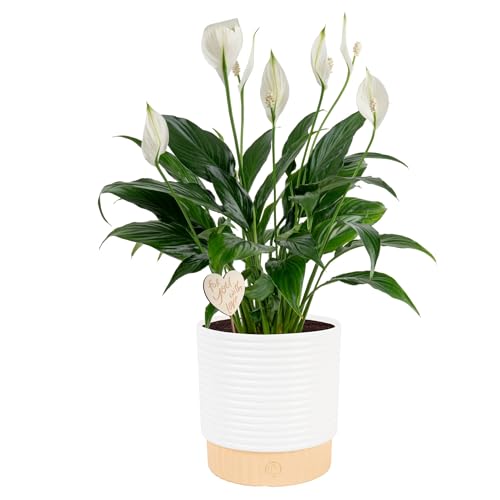
Peace lily blooms with white spathes and signals thirst when its leaves droop. It prefers bright, indirect light and will bloom best in moderate to bright conditions. Keep the soil consistently moist but not soggy; water when the top inch feels dry.
Wipe leaves occasionally to keep pores clear and reduce dust. Peace lilies improve indoor air and show visible need for water, making them good for beginners who want feedback. Note: flowers may fade indoors in very low light.
Chinese Evergreen
Chinese evergreen offers patterned leaves and tolerates low to medium light. Water when the top 1–2 inches of soil dry out; avoid both overwatering and prolonged drought. It handles humidity variations okay, so it fits many home conditions.
Leaf patterns vary widely—look for a variety you like. Chinese evergreen adapts well to office environments and needs only occasional feeding. Clean the leaves periodically to keep them bright and reduce pests.
Cast Iron Plant
Cast iron plant lives up to its name—tough and slow-growing under low light. It prefers medium to low light and infrequent watering; let soil dry a bit between waterings. It tolerates neglect, temperature swings, and low humidity.
This plant suits shaded corners or hallways where other plants struggle. Use rich, well-draining soil and a pot with drainage holes. It rarely needs pruning; remove only yellow or damaged leaves to keep it tidy.

Rubber Plant
Rubber plant has large, glossy leaves and can grow into a striking indoor tree. It prefers bright, indirect light and consistent moisture—water when the top inch of soil dries. Rotate the pot to keep the plant even and prune to control height.
Young plants tolerate lower light, but variegated varieties need brighter light to keep leaf color. Wipe leaves to remove dust and help the plant photosynthesize. Use a peat-based, well-draining mix and a sturdy pot as the plant gains weight.
Monstera Deliciosa
Monstera deliciosa offers large, split leaves and climbs with support. Give it bright, indirect light for best leaf development; too little light yields fewer splits. Water when the top 2 inches of soil are dry; keep humidity moderate to high for larger, healthier leaves.
Provide a moss pole or trellis for climbing and prune to shape size. New growth often appears from the main stem; you can root stem cuttings in water to propagate. Watch for yellowing from overwatering and brown edges from low humidity.
Philodendron
Philodendron covers many easy varieties, including heartleaf types that trail and upright types that climb. Most prefer bright, indirect light but adapt well to medium light. Water when the top inch of soil dries; avoid waterlogged soil.
Philodendrons grow quickly and respond well to regular pruning and occasional feeding. Varieties like Heartleaf Philodendron and Philodendron Brasil are forgiving and good for beginners. Propagate from stem cuttings to expand your collection affordably.
FAQ
How do I know if I’m overwatering or underwatering my plant?
Overwatered plants show yellow leaves, soft mushy stems, and a sour smell from the soil caused by root rot. Underwatered plants have crispy brown leaf tips, dry shriveled leaves, and soil that pulls away from the pot edges. Check soil moisture 2-3 inches down with your finger before watering to avoid both problems.
Can I use tap water for all beginner indoor plants?
Most beginner plants tolerate tap water, but fluoride and chlorine in tap water can cause brown tips on sensitive plants like spider plants and peace lilies. Let tap water sit out overnight to allow chlorine to evaporate, or use filtered or rainwater for plants showing tip burn. Hard water can also leave mineral deposits, so flush the soil occasionally with distilled water.
What should I do if my plant’s leaves are turning yellow?
Yellow leaves usually signal overwatering, poor drainage, or natural aging of lower leaves. Check if the soil stays wet for days after watering and ensure your pot has drainage holes. One or two yellow lower leaves on an otherwise healthy plant is normal aging; simply remove them. If many leaves yellow at once, reduce watering frequency and check for root rot.
Do beginner indoor plants need fertilizer, and how often?
Beginner plants grow fine without fertilizer, but feeding during spring and summer encourages faster growth and richer color. Use a balanced liquid houseplant fertilizer diluted to half strength once a month during the growing season. Skip fertilizer in fall and winter when most plants rest, and never fertilize a stressed or newly repotted plant until it recovers.
When should I repot my beginner plant, and how do I know it needs a new pot?
Repot when roots circle the bottom of the pot, grow out of drainage holes, or when the plant dries out within a day or two of watering. Most beginner plants need repotting every 1-2 years in spring using a pot one size larger. Choose a container with drainage holes, use fresh well-draining potting mix, and water lightly after repotting to reduce transplant shock.