
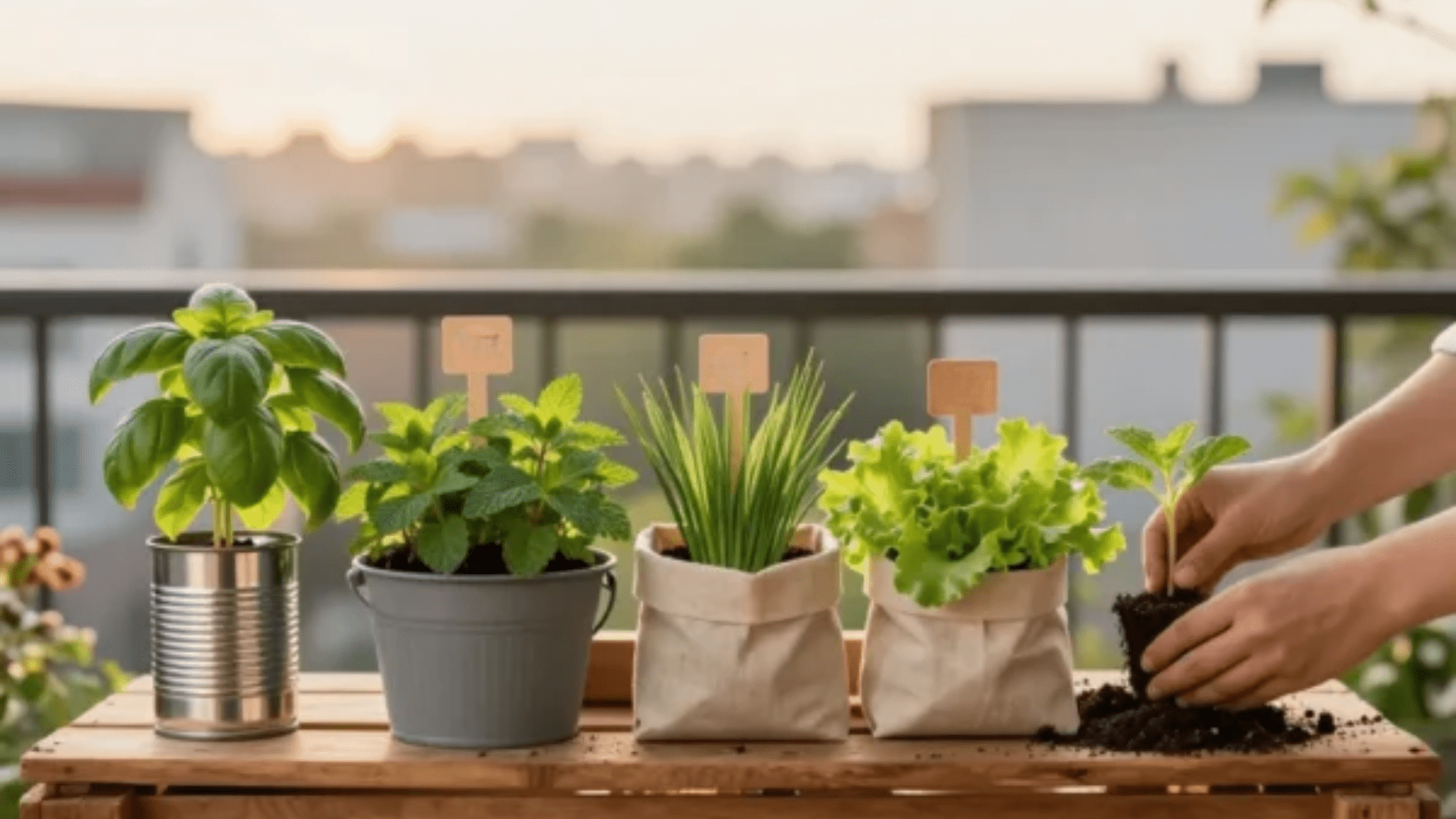

You want to start growing a garden but you’re afraid you cant afford to try something and fail? I get it. But, you don’t need a fat wallet to grow a gorgeous garden. You need curiosity, a little dirt under your nails, and a few clever tricks. Ready to build a thriving green space without setting your bank account on fire? Let’s dig into wallet-friendly strategies that actually work.
Start Small, Win Big
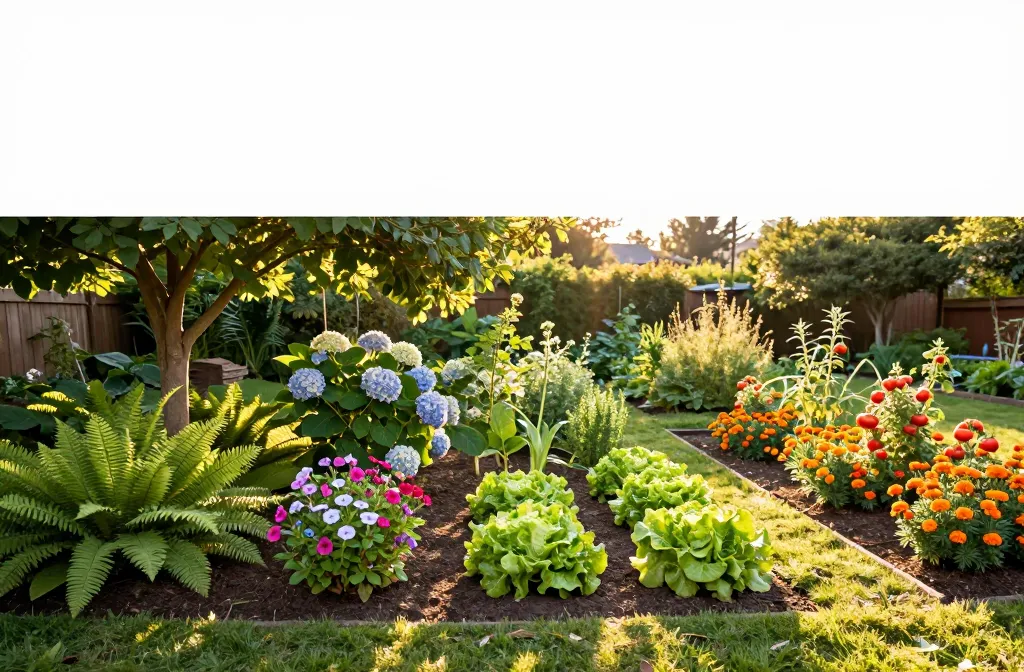
You don’t need raised beds, twelve tools, and a greenhouse to begin. Start with a few containers or a tiny plot. Why? You’ll learn faster, make cheaper mistakes, and keep your sanity.
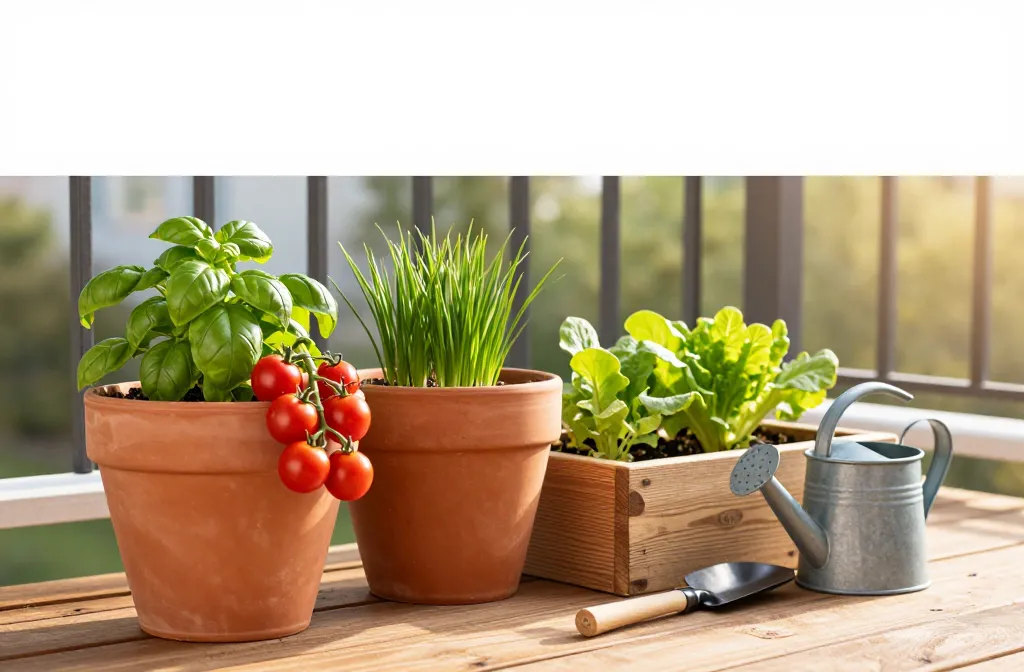
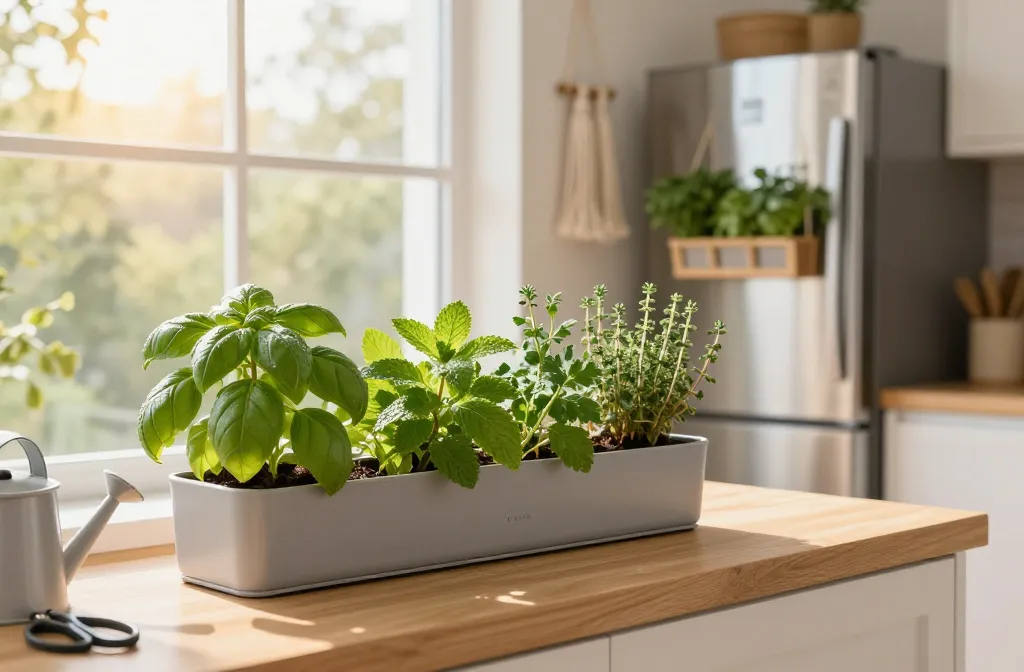
Pick 3–5 plants you’ll actually use or love. Herbs like basil, mint, and chives? Great. Salad greens? Even better. Tomatoes? Sure, but choose compact or patio varieties if space is tight.
Choosing the Right Spot
Sun rules everything. Most edibles need 6–8 hours of direct light. Not sure? Check your yard or balcony at breakfast, lunch, and late afternoon. Track the sun with your phone for a day and you’ll know where plants will thrive.
Related: How important the sun really is for growing success
Containers vs. Ground
– Use containers if your soil is bad or your space is small. Buckets, fabric grow bags, or thrifted pots all work.
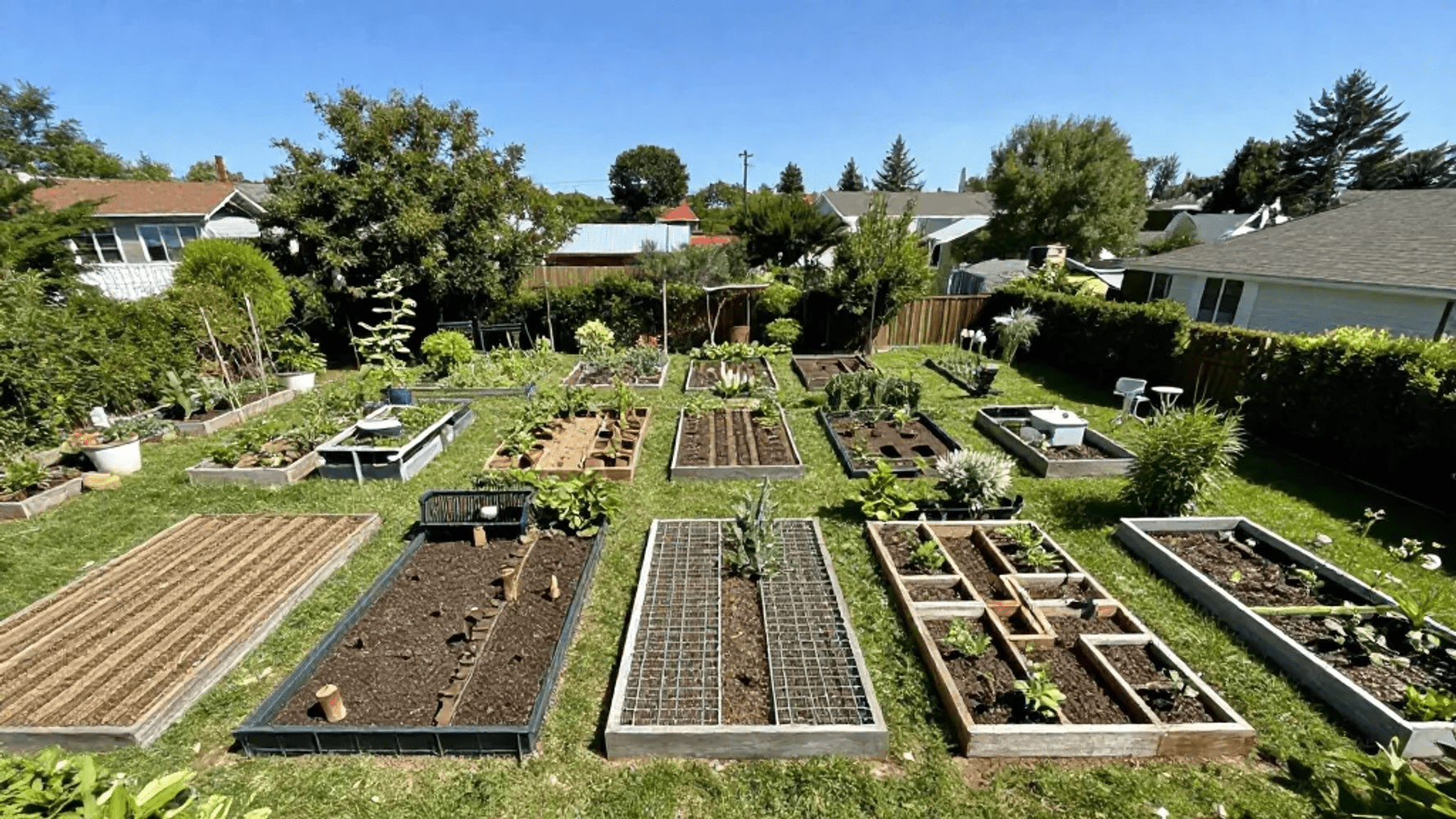
– Plant in the ground if you’ve got a sunny patch and okay soil. It stays moist longer and costs less long-term.
Tip: Start with fewer plants and add more each month. Your future self will thank you.
Scavenge and Repurpose Like a Pro
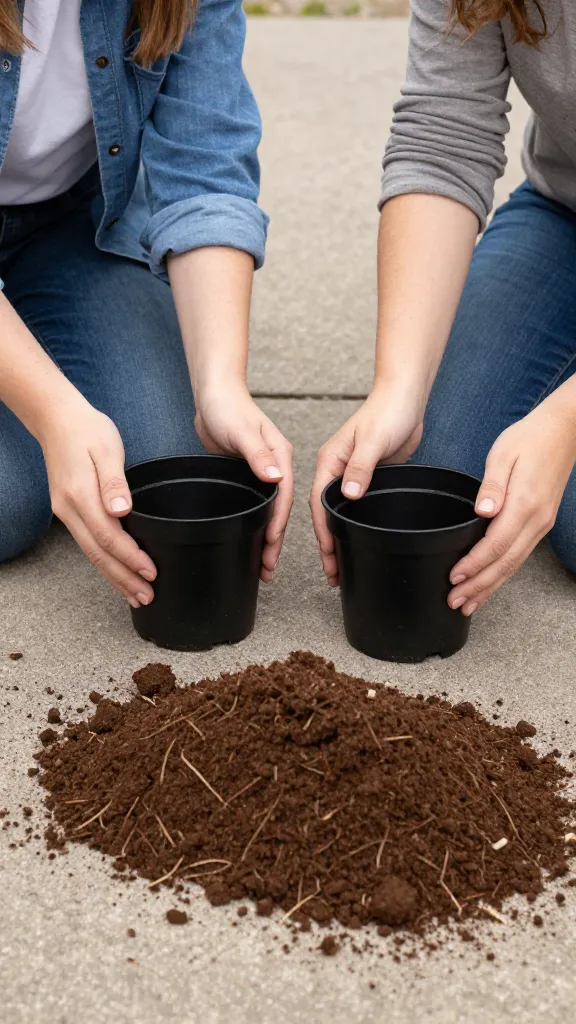
You can buy fancy planters and labels… or you can spend that money on coffee and still grow great plants.
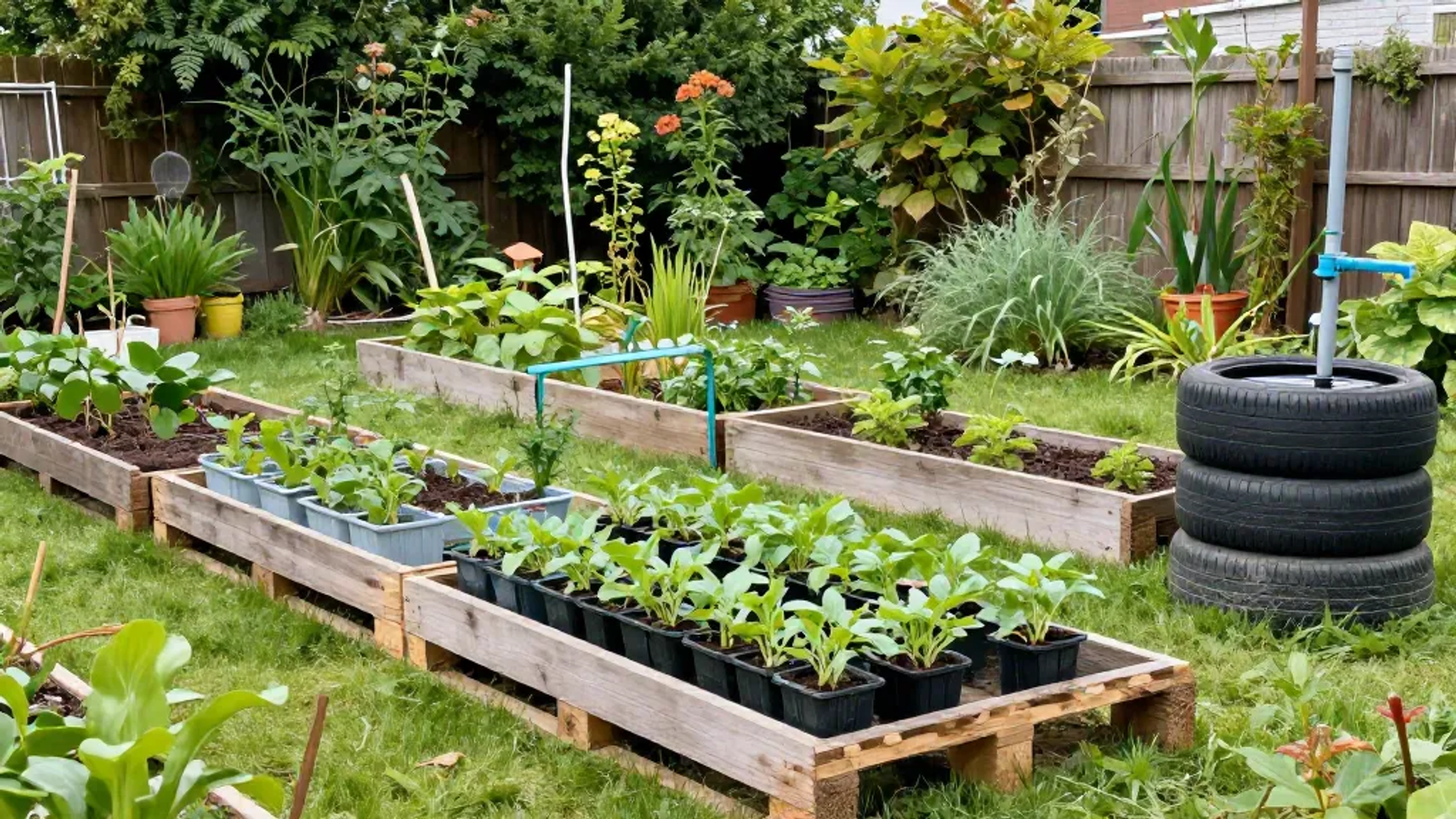
- Free containers: Food-grade buckets from bakeries or restaurants, nursery pots from plant swaps, or sturdy cardboard boxes lined with a trash bag for short-term use. Ask the big box stores what they are going to do with those leftover nursery pots sitting outside. Or, at my local Ace Hardware, they had these half a whiskey barrels sitting out in front during the winter. I asked them what they did with those and they said they were on sale for $15. So I bought one! Perfect for putting a blueberry bush in.
- DIY labels: Cut up yogurt lids or old blinds. Use a Sharpie and save those $8 plant tags for Instagram.
- Stakes and trellises: Use old bamboo poles, found branches, or a thrifted cooling rack. It’s rustic. It’s chic. It’s $0.
Soil Scoops and Tools
Skip the 15-piece tool set. You need:
- Hand trowel: For digging and potting.
- Pruners or scissors: For harvesting and trimming.
- Gloves (optional): Or embrace the dirt. IMO, gloves help avoid thorny drama. You can buy all of these at the Dollar Tree actually,.
Soil: Where the Magic (and Savings) Happen
Soil quality makes or breaks your garden. Don’t overspend, just mix smart.
For containers: Use a basic potting mix and fluff it with perlite or rice hulls for drainage. You can stretch pricier mixes by blending 50/50 with a budget option.
For in-ground beds: Add compost and rake it in. Even a little improves texture and fertility.
Cheap Compost Options
– Municipal compost: Many cities offer it free or cheap. Sometimes in the spring, they have a big compost day where you can go and fill up whatever you bring
– Compost in a tote: Drill holes in a storage bin, layer kitchen scraps with dry leaves or shredded cardboard, and stir weekly.
– Leaf mold: Bag autumn leaves with a splash of water and poke holes. Wait a few months. Black gold.
Fertilizer Without the Price Tag
– Worm castings: A small bag goes far. Mix a handful into each pot.
– Slow-release organics: They cost a bit upfront but last months.
– Compost tea (DIY): Soak compost in water for a day, then water plants. It’s not fancy, but it works.
FYI: Over-fertilizing burns plants and money. Go easy.
Seeds Over Starts (Most of the Time)
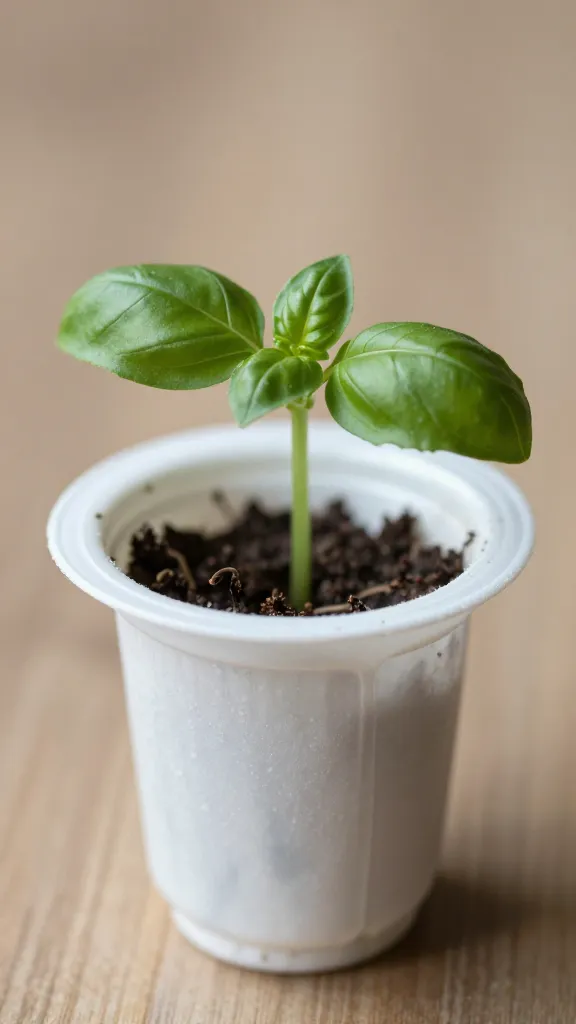
Seed packets cost less than one nursery plant and grow dozens of crops. That’s math we like.
Easy wins from seed:
- Leafy greens: lettuce, arugula, spinach
- Roots: radishes, carrots (choose shorter varieties in shallow soil)
- Herbs: dill, cilantro, basil
- Flowers: calendula, marigolds, nasturtiums (edible and pretty)
Buy starts for: Tomatoes, peppers, and eggplants if your season is short or you don’t want to fuss with lights. One or two plants can feed you all summer.
Save Seeds Like a Sneaky Pro
– Dry and save basil, calendula, and marigold seeds.
– Let one lettuce or cilantro plant bolt and go to seed. Collect, store in a paper envelope, label like a grown-up.
– Avoid hybrids for seed saving. Look for “open-pollinated” or “heirloom.”
Water Wisely (and Cheaply)
Water bills can sting, but your soil can help you out.
Mulch everything. Leaves, straw, shredded paper, or grass clippings (dried) keep moisture in and weeds out. Your plants chill, and you water less.
Low-Cost Watering Hacks
– Drill-a-bottle: Poke holes in a plastic bottle, bury next to thirsty plants, and fill it every few days.
– Soak, don’t sprinkle: Water deeply 2–3 times a week instead of daily sprinkles. Roots grow stronger and you save time.
– Morning water: Less evaporation, fewer fungal issues. Your coffee + watering = perfect routine.
IMO: A simple watering wand beats any gadget-heavy system for beginners.
Grow What Pays You Back
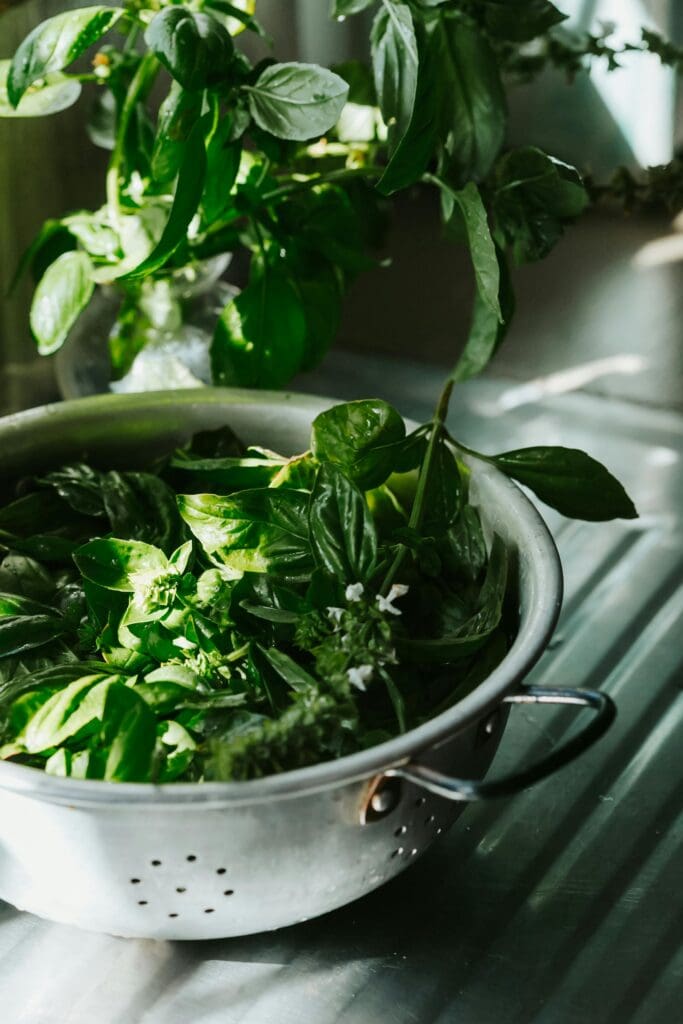
Some plants give you major bang for your buck. Others look pretty and eat your lunch money.
Top ROI crops:
- Herbs: Basil, parsley, mint, chives. Store prices are wild. Grow once, harvest for months.
- Greens: Cut-and-come-again lettuces and kale keep producing.
- Tomatoes: One healthy plant = endless salads and smug satisfaction.
- Zucchini: One plant usually feeds the block. Proceed with caution.
Skip (at first): Blueberries (need acidic soil), corn (space hog), and exotic divas that hate your climate. Learn your zone, then experiment.
Companion Planting for Savings
– Marigolds + tomatoes: Helps deter pests.
– Nasturtiums: Trap aphids and look adorable.
– Beans + greens: Beans fix nitrogen, greens enjoy the feast.
Beat Pests Without Draining Your Wallet
Pests show up uninvited, like that one cousin at Thanksgiving. You can handle them cheaply.
Prevention first: Healthy soil, proper spacing, and mulch reduce most issues.
Physical barriers: Tulle fabric or mesh bags over brassicas and strawberries keep critters out. Cheap and effective.
DIY Pest Control
– Soapy water: A few drops of dish soap in a spray bottle for aphids and whiteflies. Test on a leaf first.
– Beer traps for slugs: Shallow container, old beer, done.
– Hand-picking: Early morning caterpillar patrol. Gloves if you’re squeamish. No judgment.
Note: Avoid blanket pesticides. They hurt beneficial insects and your garden karma.
Community = Free Knowledge (and Stuff)
Your best budget resource? Other gardeners. People love to share.
- Plant swaps: Trade seedlings, seeds, cuttings, and stories.
- Local groups: Facebook, Buy Nothing, community gardens. Ask for extra pots, tools, and compost.
- Library seed banks: Borrow seeds, grow, and return some at season’s end. Win-win.
Learn for Free
– Extension websites and Master Gardener programs offer legit, region-specific advice.
– YouTube channels and forums show real-time garden fixes. Filter out the gimmicks, keep the basics.
FAQs
How do I start a garden if I only have a balcony?
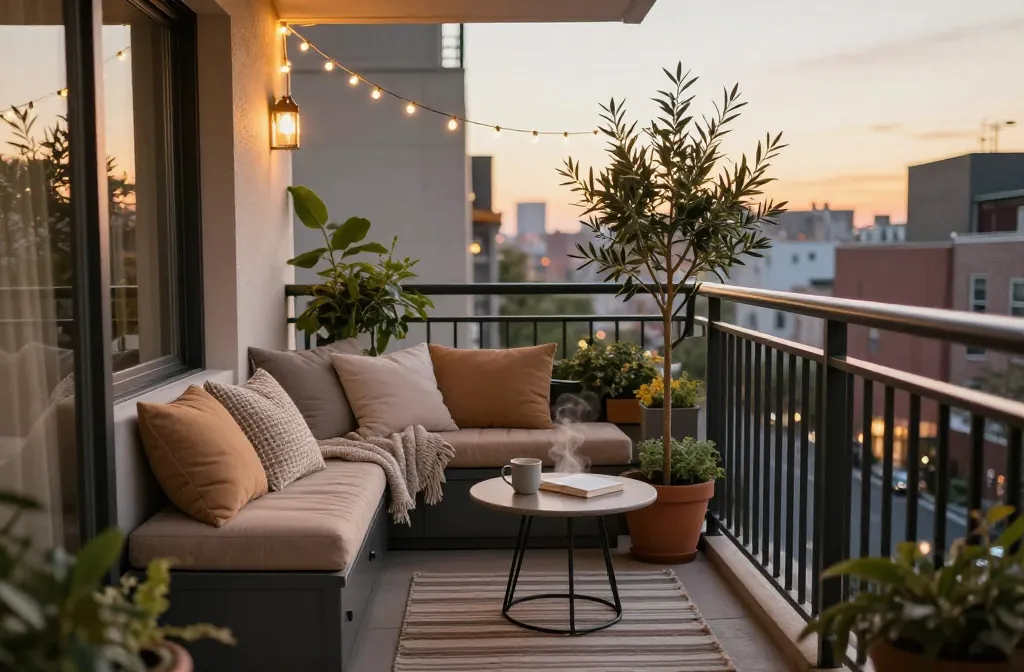
Go vertical and think containers. Use fabric grow bags, buckets, or railing planters. Choose compact plants like bush tomatoes, peppers, salads, and herbs. Add a small trellis for cucumbers or peas. Water a bit more often and mulch to keep the soil cool.
What’s the cheapest way to improve my soil fast?
Add compost and mulch. Even a thin layer of compost boosts nutrients and soil life. Then cover the soil with leaves, straw, or cardboard to hold moisture and suppress weeds. It’s simple, cheap, and works in weeks.
Do I need grow lights?
Not if you time things right. Start seeds outdoors when nights warm up, or buy a few starter plants. If you want lights, grab an inexpensive shop light with full-spectrum LEDs. Keep it 2–4 inches above seedlings and run it 14–16 hours a day.
How often should I water?
Water deeply when the top inch of soil feels dry. Containers dry faster, so check daily in hot weather. In-ground beds usually need water 2–3 times a week. Aim for the base of the plant, not the leaves.
Can I really save money by gardening?
Yes—if you grow high-value crops and avoid big upfront costs. Focus on herbs, greens, and a few productive veggies. Start from seed when you can, compost for free, and reuse supplies. The savings add up quickly, plus your food tastes better.
What if my first attempt flops?
Welcome to the club. Replant, adjust the sun or watering, and try again. Keep notes. Plants want to grow, and you’ll figure out what works in your space. FYI: every “expert” learned from a pile of mistakes.
Conclusion
You don’t need fancy gear or a landscaper’s budget to grow a lush, tasty garden. Start small, scavenge smart, build good soil, and pick plants that pay you back. Keep it fun, stay curious, and tweak as you learn. Before long, you’ll harvest more for less—and brag a little, because you earned it.