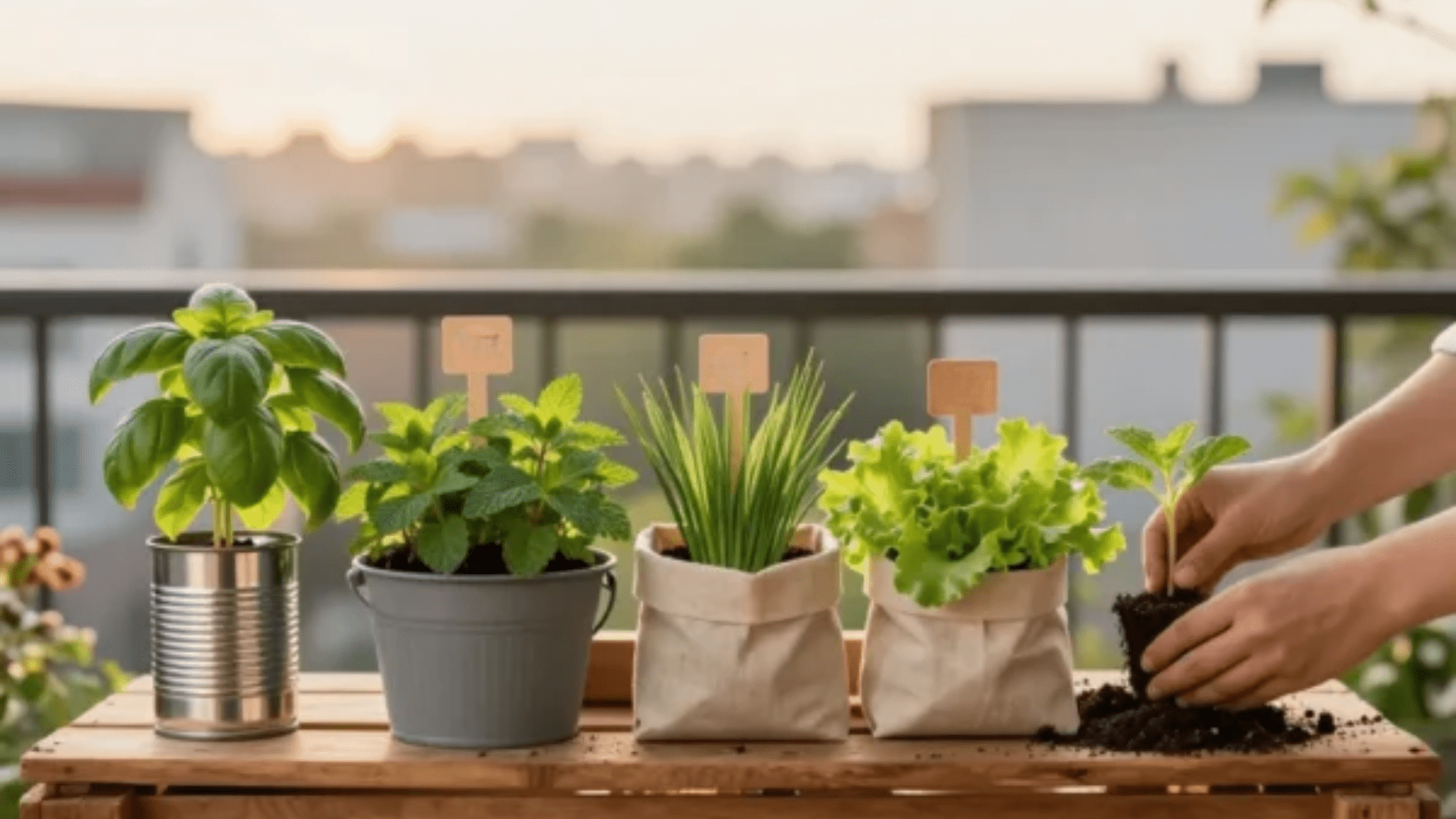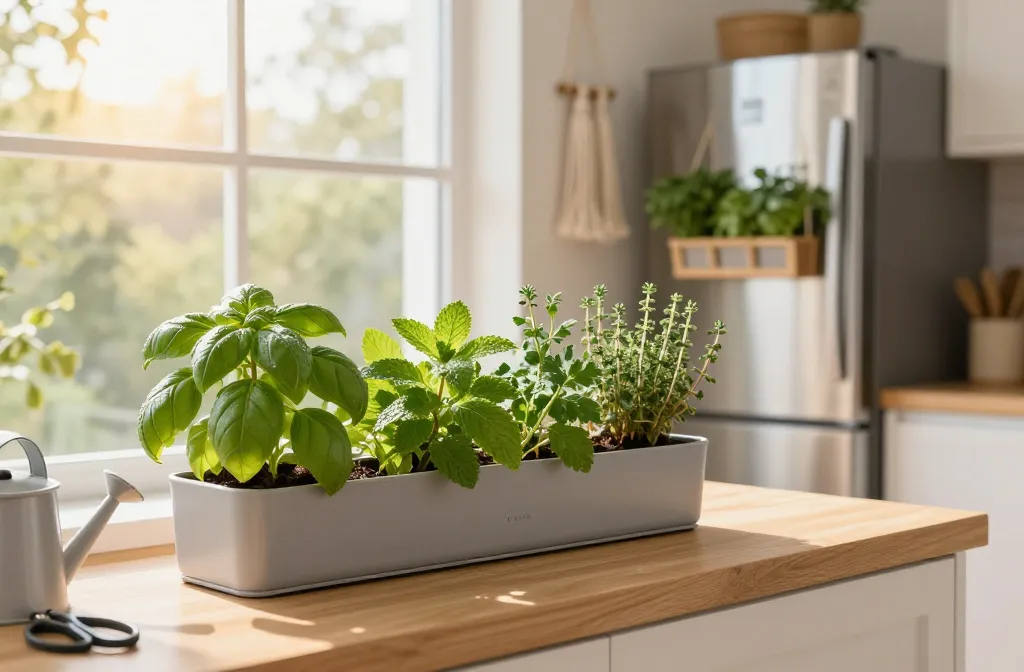

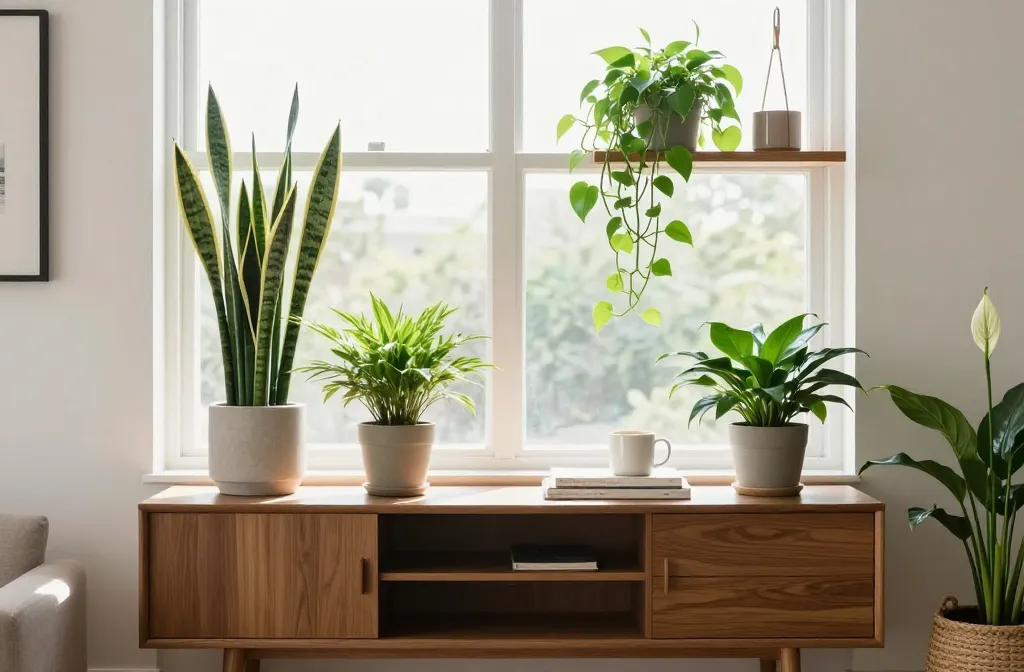

You want green stuff in your home that doesn’t give you guilt every time you forget to water it. Same here. Good news: some plants basically thrive on neglect and look great while doing it. We’ll skip the fussy non-sense and go straight to the low-maintenance legends you can’t (easily) kill. Ready to turn your space into a chill jungle without turning into a full-time plant parent? Here are some easy indoor plants to consider today.
Know Your Plant Personality
Before you snag a cartful of greens, figure out your reality. Got a bright window? Forget to water? Travel a lot? You’re not alone. Different plants handle different chaos levels, and you’ll set yourself up to win if you match the plant to your lifestyle.
Quick self-audit:
- Light: Bright and sunny? Medium and indirect? Basement cave?
- Watering: Over-waterer or serial forgetter?
- Space: Tiny shelf or room for a bush?
- Pets: Some plants aren’t pet-friendly (FYI).
Seven Plants That Practically Pay Rent
Let’s talk about the MVPs that forgive your flaws and still look good doing it.
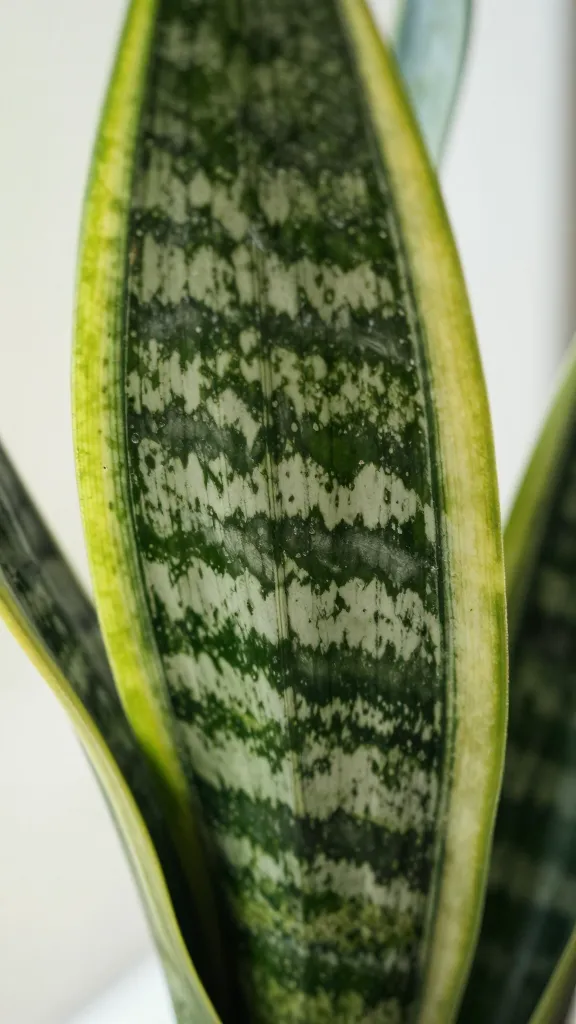
1) Snake Plant (Sansevieria/Dracaena trifasciata)
The snake plant is a tank. It tolerates low light, doesn’t mind bright indirect light, and shrugs at missed waterings. You can water it every 2–4 weeks depending on season. It’s also sculptural, so it looks intentional even when you had zero plan.
Care basics:
- Light: Low to bright, no direct scorching sun.
- Water: Let soil dry completely; less in winter.
- FYI: Mildly toxic to pets.
2) ZZ Plant (Zamioculcas zamiifolia)
If you’re a chronic “oops” person, get a ZZ. Thick rhizomes store water, so it tolerates low light and infrequent watering like a champ. The glossy leaves also make it look expensive. Win-win.
Care basics:
- Light: Low to medium; bright indirect is ideal.
- Water: Every 2–3 weeks; dry between waterings.
- Note: Toxic to pets; wash hands if you handle cuttings.
Related: Check Out Our Page on Indoor Plants For Beginners
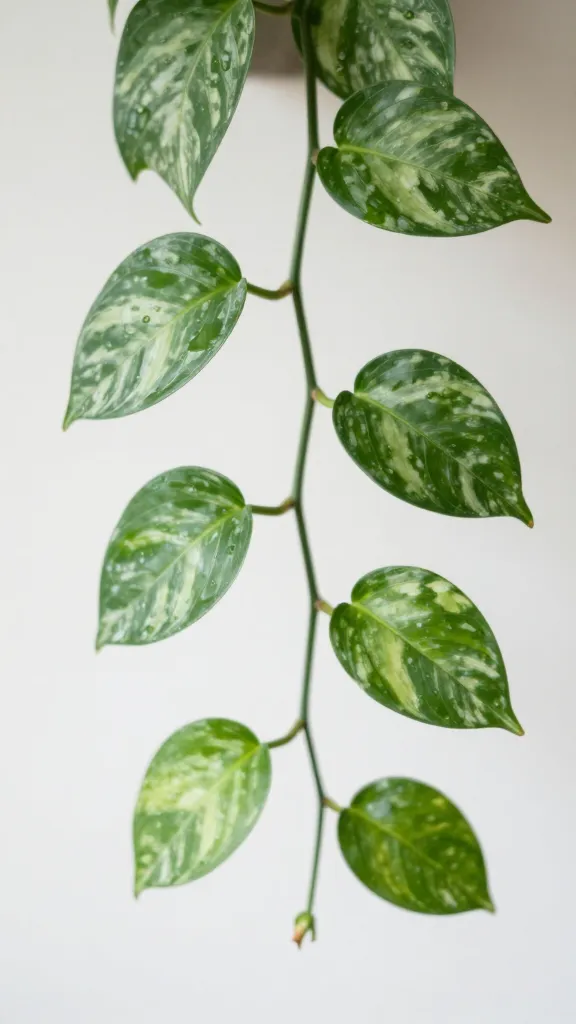
3) Pothos (Epipremnum aureum)
Pothos is the unfussy vine you’ll see in every office that somehow still thrives under fluorescent lights. It grows fast, trails beautifully, and bounces back from mild neglect. You can even root it in water.
Care basics:
- Light: Low to bright; variegation pops with more light.
- Water: When top 1–2 inches are dry; don’t drown it.
- Tip: Trim for bushier growth.
4) Spider Plant (Chlorophytum comosum)
Spider plants love indirect light and reward you with baby “spiderettes.” They’re tough and handle a bit of uneven watering. Also, pet-friendly, which is nice if your cat thinks plants are salad.
Care basics:
- Light: Bright, indirect works best; tolerates medium.
- Water: Keep slightly moist; let top dry out between drinks.
- IMO: Great starter plant for propagation.
5) Peace Lily (Spathiphyllum)
The peace lily actually wilts to remind you it’s thirsty, then perks back up like nothing happened. It handles low light and adds those sleek white blooms for drama. Slightly thirstier than others on this list, but still forgiving.
Care basics:
- Light: Low to medium; blooms better with more light.
- Water: When leaves droop or soil is dry 1 inch down.
- FYI: Toxic to pets; keep hands off, whiskers.
6) Jade Plant (Crassula ovata)
Jade is a succulent with sturdy, shiny leaves and a slow, tree-like vibe. It prefers bright light and light watering, which makes it ideal for sunny windows. Don’t coddle it—overwatering is the only way you’ll mess it up.
Care basics:
- Light: Bright indirect to some direct morning sun.
- Water: Let soil dry out fully; water deeply, then ignore.
- Bonus: Easy to propagate from leaves/stems.
7) Cast Iron Plant (Aspidistra elatior)
True to its name, this thing is hard to kill. It handles low light, dust, drafts, and missed waterings. It won’t grow fast, but it will live forever and look classy doing it.
Care basics:
- Light: Low to medium, no harsh direct sun.
- Water: Moderate; let soil partially dry.
- IMO: Perfect for dim hallways or offices.
Light: The Make-or-Break Factor
Plants don’t eat brunch; they eat light. Match the plant to your light, and you’ll avoid 90% of drama. Quick cheat sheet so you don’t play photosynthesis roulette.
How to gauge your light without a meter
- Bright indirect: A sunny window with filtered light; sharp shadows but softened edges.
- Medium: A few feet from a window; blurry shadows.
- Low: North-facing rooms or spots far from windows; no real shadow.
Plant pairings:
- Low light: Snake plant, ZZ, cast iron plant, peace lily.
- Medium: Spider plant, pothos, peace lily (for blooms).
- Bright indirect: Jade, pothos, spider plant.
Watering Without the Drama

Overwatering kills more plants than forgetting ever did. Roots need oxygen, not a swamp. Let’s keep it simple.
General watering rules
- Check soil, not the calendar: Stick your finger in 1–2 inches. Dry? Water. Damp? Wait.
- Use pots with drainage: No holes = root rot buffet.
- Water thoroughly: Until it drains out the bottom; then toss the excess.
- Seasonal shift: Less water in winter when growth slows.
Signs you’re overwatering:
- Yellow leaves that feel soft
- Mushy stems
- Fungus gnats throwing a house party
Soil, Pots, and the “Do I Need Fancy Stuff?” Question
Short answer: not really. A couple of smart choices go a long way.
- Soil: Use well-draining soil. Regular indoor mix works; add perlite for extra drainage. For succulents like jade, use a cactus/succulent mix.
- Pot size: Go 1–2 inches wider than the current pot. Oversized pots hold too much moisture.
- Material: Terra-cotta breathes and helps prevent overwatering. Plastic is fine if you watch your watering.
- Drainage: I’ll say it again: holes. Always.
Easy Wins: Low-Effort Habits That Keep Plants Alive
You don’t need a plant spreadsheet. Just a few habits that stack the odds in your favor.
- Rotate monthly: Prevent weird leaning by turning the pot a quarter turn.
- Dust leaves: A quick wipe boosts photosynthesis and makes them shine.
- Fertilize lightly: During spring/summer, use a diluted houseplant fertilizer monthly. Skip winter.
- Quarantine new plants: Keep new buys separate for a week to avoid hitchhiker pests.
- Prune and propagate: Trim leggy vines (pothos, spider plant) and stick cuttings in water for freebies.
Common Mistakes (And How to Dodge Them)
We all mess up. Here’s how to avoid the classic plant faux pas.
- Too much love: Constant watering “just in case” leads to rot. Wait for dryness.
- No light plan: Low-light corners need low-light champs. Don’t punish a jade in a cave.
- Decor-only pots: Cachepots are cute, but keep your plant in a nursery pot inside it for drainage.
- Ignoring drafts: Keep plants away from AC blasts and radiator hot zones.
- Skipping repots forever: Roots circling the pot? Time to size up 1–2 inches.
FAQ
How often should I water my indoor plants?
There’s no universal schedule. Check the soil instead. Most easy plants like snake plant and ZZ prefer a full dry-out between waterings, which often means every 2–4 weeks. In warmer months, they may drink faster.
What’s the easiest plant for super low light?
The ZZ plant and snake plant handle low light best. The cast iron plant also thrives in dim spots. They won’t grow fast, but they’ll stay alive and look good.
Are any of these safe for pets?
The spider plant is the most pet-safe on this list. Pothos, peace lily, snake plant, ZZ, and jade can be toxic if chewed. If your pets nibble everything, stick with spider plants or research pet-safe picks like calatheas or peperomias.
Do I need a grow light?
Not always. If your plants look leggy, stop growing, or lose variegation, a simple LED grow light can help, especially in winter. Aim for 10–12 hours per day and keep it a foot or two above the plants.
Why are my plant’s leaves turning yellow?
Usually overwatering. Check the soil and your drainage situation. Yellow leaves can also happen from low light, old leaves aging out, or sudden temperature swings. Diagnose the easiest fix first: water less and improve light.
Should I mist my plants?
Misting doesn’t raise humidity in a meaningful way. It can help keep leaves clean, but for humidity lovers, use a pebble tray or a small humidifier. Most plants on this list don’t need extra humidity anyway.
Conclusion
You don’t need a greenhouse or a botany degree to keep plants alive. Pick forgiving varieties, match them to your light, and water only when the soil says so. Start with one or two, get some wins, then build your jungle. Your future self—calmer, greener, slightly more smug—will thank you.