
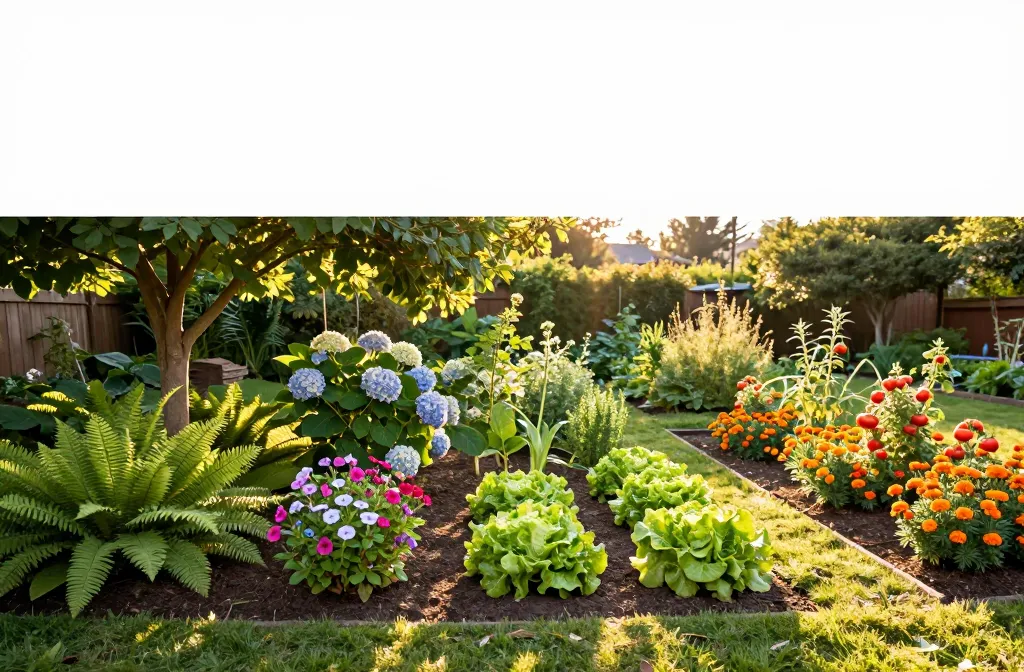

Your plants don’t care how cute the pots look if they’re starving for sunlight. Let’s skip the fluff: sun makes or breaks a garden. Some plants want a beach vacation; others prefer a shady hammock. If you match your plants to your yard’s actual light, you’ll go from “why is everything leggy?” to “wow, I grew that.” Here is a quick guide to help you out.
Sunlight: The Real MVP of Plant Growth
Plants convert light into food. You give them the right amount, they thrive. You give them too much or too little, they sulk, scorch, or stretch. Simple, right? Kind of.
Here’s the quick sunlight glossary you’ll see on plant tags:
- Full Sun: 6–8+ hours of direct sun daily
- Part Sun/Part Shade: 3–6 hours of direct sun
- Dappled Light: Filtered sun through trees most of the day
- Full Shade: Less than 3 hours of direct sun, usually bright ambient light
Direct sun means actual rays hitting the leaves. Bright shade isn’t the same, FYI.
Read Your Yard Like a Map
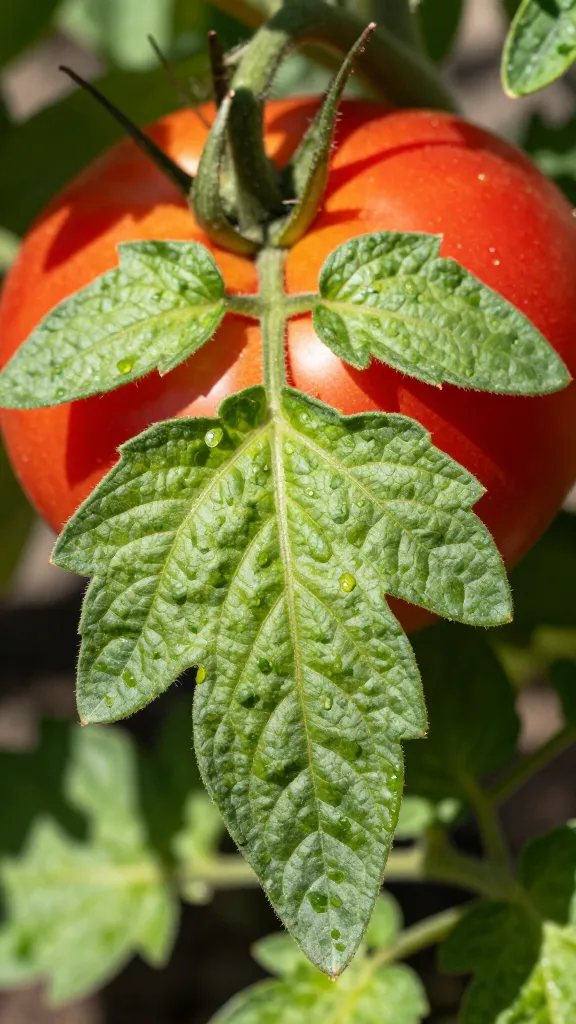
Before you plant anything, scout the light patterns. Your garden changes mood throughout the day.
- Morning sun is gentle and ideal for many plants that burn easily.
- Midday sun packs heat. Great for veggies, tough on delicate foliage.
- Afternoon sun can be brutal in summer, especially on west-facing beds.
How to Track Sun Without Guessing
- Check the spot every 1–2 hours on a sunny day. Jot down when it gets direct rays.
- Use a sun-tracking app if you like gadgets. It’s not cheating, IMO.
- Repeat in spring and midsummer. Sun angles shift, and trees leaf out.
Match Plants to the Light They Actually Want
You don’t need a botany degree. You just need to pair vibes.
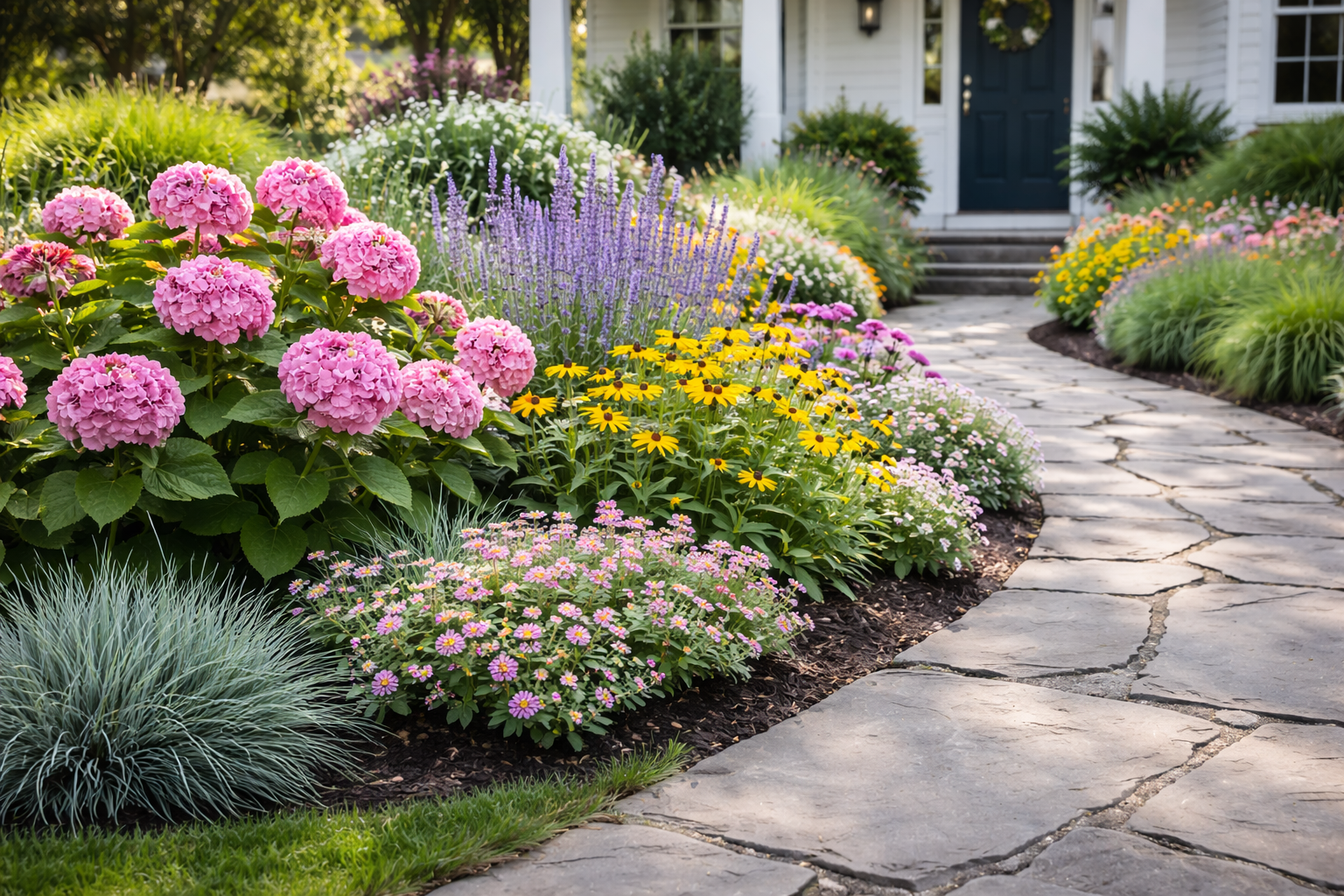
- Full-Sun Superstars: Tomatoes, peppers, squash, lavender, rosemary, echinacea, black-eyed Susan, zinnias, sunflowers.
- Part Sun/Part Shade Players: Lettuce, peas, beans (some), blueberries, hydrangeas (many varieties), astilbe, heuchera.
- Shade Lovers: Hostas, ferns, hellebores, coral bells, impatiens, caladiums, moss (yep, it’s a mood).
Pro tip: Variegated or darker foliage often tolerates a bit more shade. Silver, gray, or hairy leaves usually handle more sun and heat.
Veggie Garden Reality Check
- Fruit-forming crops (tomatoes, peppers, cucumbers) need 8+ hours for solid yields.
- Leafy greens (lettuce, spinach, kale) thrive with 3–5 hours and appreciate shade in hot months.
- Root crops (carrots, beets, radishes) like 4–6 hours. Too little sun = leafy tops, wimpy roots.
Sun Stress vs. Shade Struggles: Spot the Signs
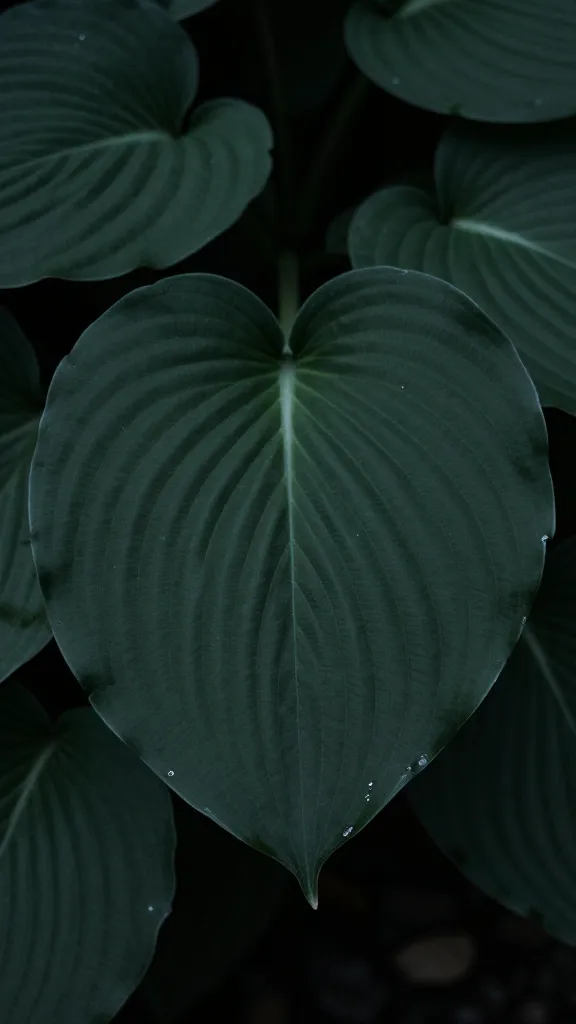
Your plants tell on you. Loudly.
- Too much sun: Crispy leaf edges, white/brown patches (sun scorch), droopy afternoons even with wet soil, washed-out color.
- Too little sun: Leggy stems reaching for light, few flowers or fruits, slow growth, mildew on dense leaves.
Fixes? Move containers, install shade cloth, prune overhanging branches, or just relocate the plant. You’re not married to the first spot you chose.
Microclimates: Your Secret Weapon
Your yard is not one uniform climate. Wild, but true.
- South-facing walls reflect heat and light — hot and dry. Great for herbs, Mediterranean plants.
- North-facing corners stay cooler and shadier — consider ferns, hostas, hydrangeas that like it mellow.
- Under trees = dappled shade and root competition. Choose tough shade plants or use raised beds.
- Near sidewalks/driveways = extra heat. Sun lovers will love it; moisture lovers won’t.
Containers and Balconies
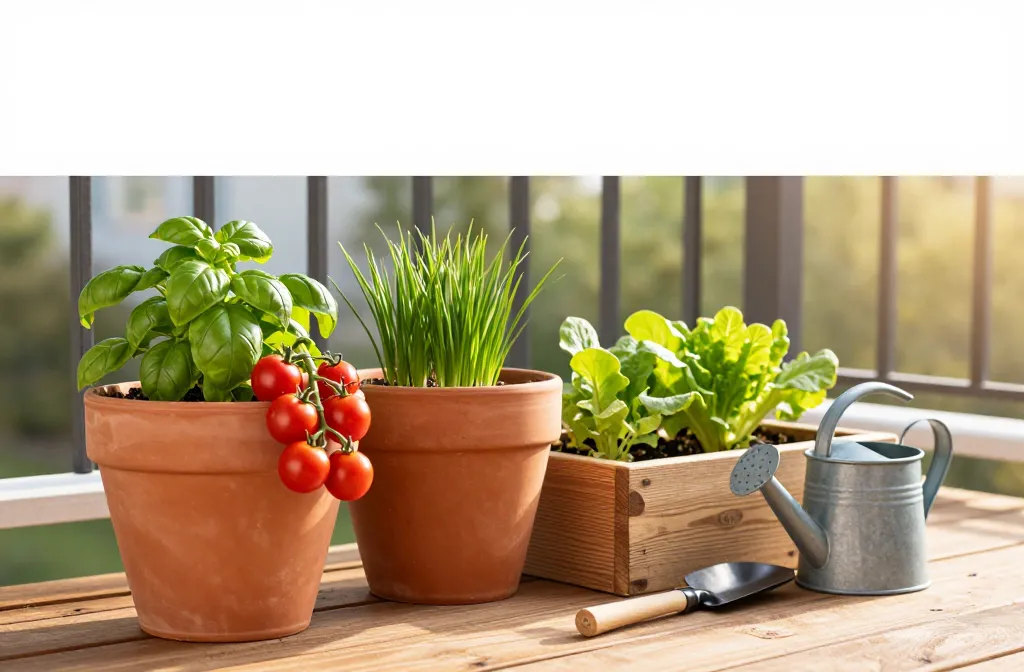
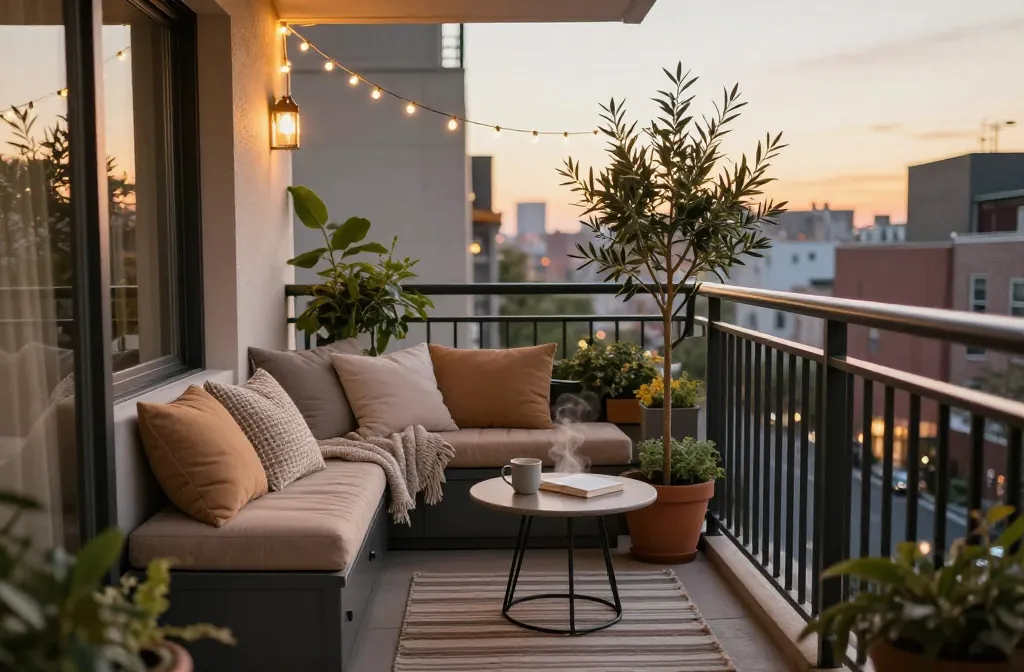
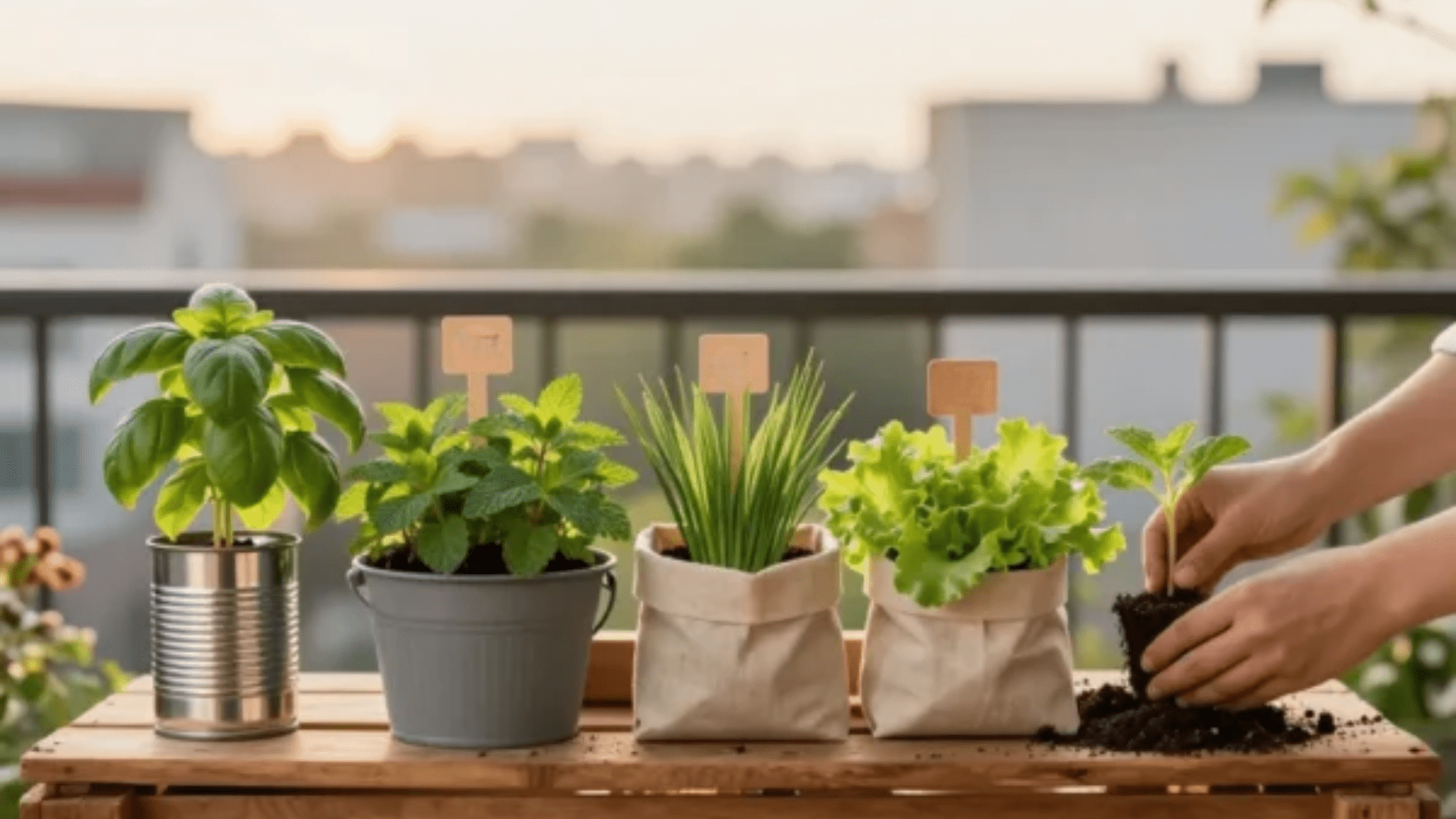
Containers heat up fast and dry quickly. Full-sun pots might need watering twice daily in July. If your balcony gets blasting afternoon rays, use light-colored pots and group plants to create your own shade.
When the Label Lies (or, Nuance Matters)
Plant tags try their best, but context matters.
- Zone and heat: “Full sun” in coastal Maine is not “full sun” in Phoenix. In hot climates, afternoon shade saves lives, plant lives, anyway.
- Soil moisture: Dry soil amplifies sun stress. Water deeply and mulch to buffer heat.
- New transplants: They burn easily. Harden them off and give temporary shade the first week or two.
The 2-Week Test
Unsure? Plant it, watch it for 14 days, and react:
- If it stretches and barely blooms, move it sunnier.
- If it fries and pouts by noon, shift it shadier.
- Document what you changed. Future-you will thank you.
Designing Beds Around Sunlight
Build your layout with light in mind first, style second. Yes, I said it.
- Map the hours of sun for each bed in peak season.
- Group plants by light need so watering and care stay simple.
- Stack heights smartly: Tall sun-lovers in back, shade-tolerant plants at their feet.
- Plan for seasonal shifts: Spring sun under leafless trees turns to summer shade. Swap in shade annuals later.
Shade-Hacking Tricks
- Use trellises or tall crops (sunflowers, corn) to cast afternoon shade on tender greens.
- Install shade cloth (30–50%) over beds during heat waves. It’s like SPF for plants, IMO.
- Choose reflective mulches for extra light to lower leaves in part-sun beds.
FAQs
Can I grow tomatoes with only 4–5 hours of sun?
You’ll get plants, but not many tomatoes. Aim for 8+ hours for big yields. If you can’t, choose smaller-fruited varieties (cherry or grape types) and keep the foliage pruned for better light penetration.
What’s the difference between bright shade and part sun?
Bright shade means no direct rays but lots of ambient light — think north side of a house or under a canopy. Part sun means actual direct sunlight hits for 3–6 hours. Many flowering plants need that direct light to bloom well.
Why do my shade plants still look fried?
Shade doesn’t fix heat or dry soil. Hot winds and reflected light can still scorch leaves. Water deeply, mulch, and consider moving them away from pavement or light-colored walls that bounce heat.
Do grow lights replace the sun for outdoor gardens?
Not realistically. Outdoors, you battle distance, power, and weather. Save grow lights for indoor seed starting or houseplants. For outdoor fixes, rearrange your layout or use shade cloth and reflective surfaces.
Does morning sun equal afternoon sun?
Nope. Morning sun is cooler and gentler. Afternoon sun brings more heat and UV intensity. Plants that say “part sun” usually prefer morning sun and afternoon shade, especially in hot climates.
How do I harden off plants to prevent sunburn?
Give them a week: start with 1–2 hours of morning sun, then increase daily. Keep them out of harsh afternoon rays at first, and don’t let pots dry out. After a week or two, they’ll handle full exposure like champs.
Conclusion
Think of sunlight as the budget your garden lives on. Spend it wisely, and everything thrives; spread it too thin or blow it all at noon, and plants complain. Measure your light, match your plants, and tweak as you go. Do that, and your garden stops guessing and starts performing — and you, friend, start looking like a plant whisperer, FYI.