
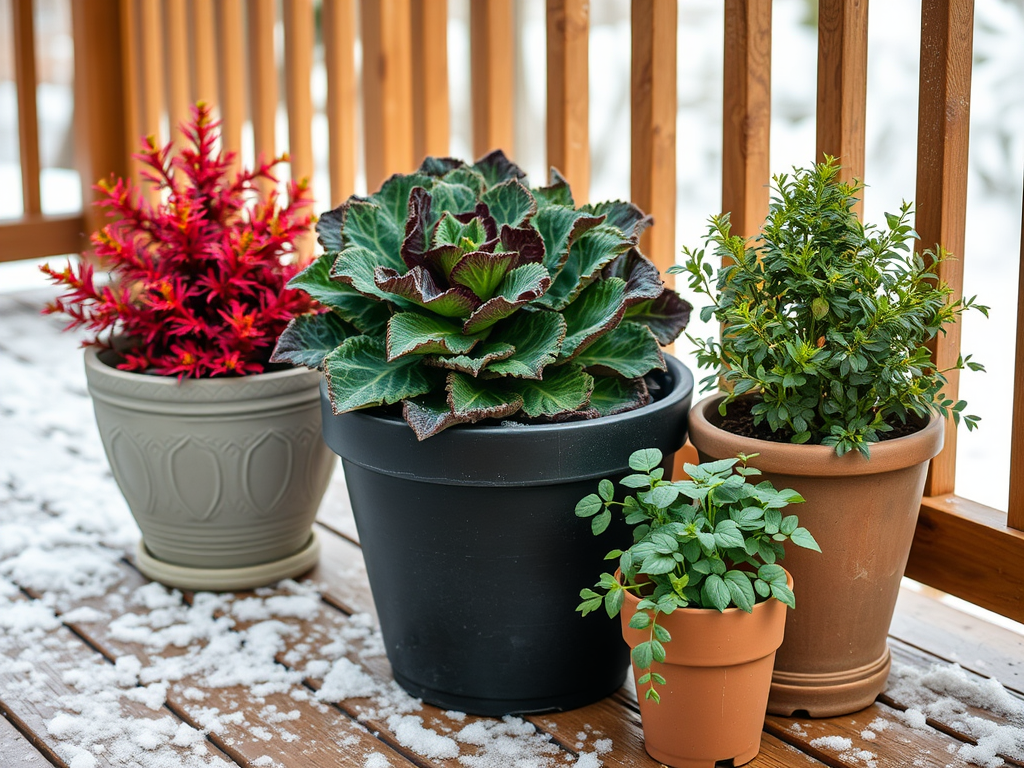

Winter container gardening offers a practical way to bring life and color to outdoor spaces during the coldest, darkest and dreariest months. By using hardy plants and appropriate containers, it is possible for gardeners to create vibrant displays that can withstand frost and low temperatures. Choosing cold-hardy plants and providing proper care are essential to maintaining a successful winter container garden.
Containers allow flexibility to combine evergreens, winter bloomers, and textured foliage that add visual interest when most gardens go dormant. With the right soil preparation and protection techniques, these arrangements can thrive outdoors and brighten porches, decks, or entryways all season long.
Designing winter containers involves balancing aesthetics and plant needs while considering the challenges of colder weather. Strategic plant selection, insulation, and maintenance create long-lasting displays that enhance the winter landscape without extensive effort.
Key Points To Takeaway
- Selecting cold-hardy plants is crucial for winter container success.
- Proper soil preparation and protection help plants survive freezing conditions.
- Thoughtful design and maintenance keep container gardens attractive all winter.
Fundamentals of Winter Container Gardening
Winter container gardening involves specific techniques and considerations to ensure plants survive and thrive during cold months. Understanding its core principles helps gardeners select the best plants, containers, and care methods for sustained success.
What Is Winter Container Gardening
Winter container gardening is the practice of growing plants in pots or containers outdoors during the colder months. It focuses on using cold-hardy or frost-resistant plants that can withstand freezing temperatures.
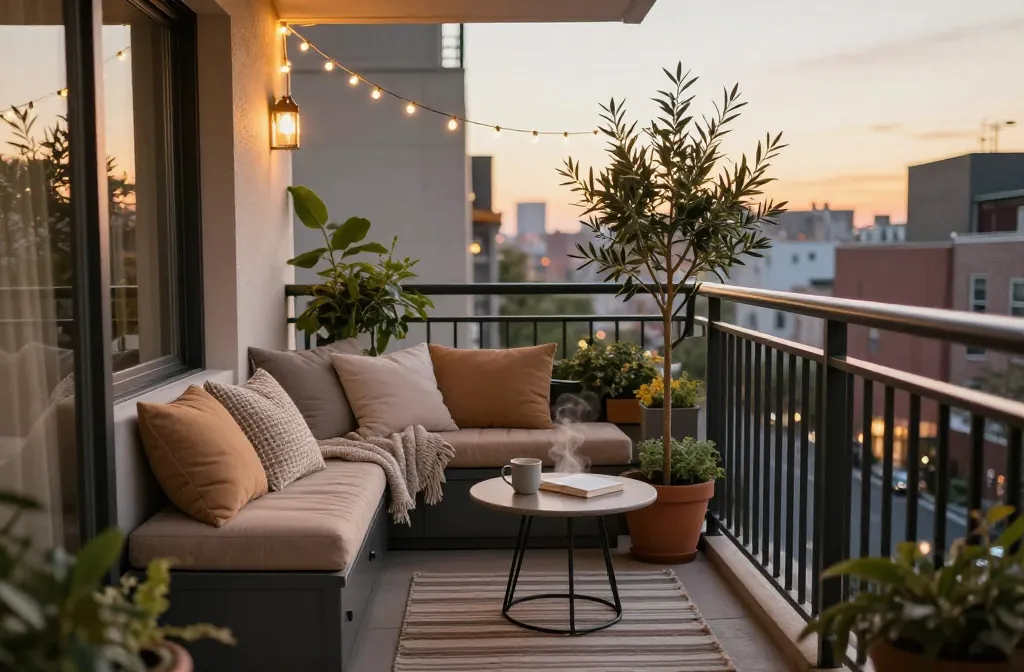
This type of gardening allows people with limited outdoor space, such as balconies or porches, to maintain a living garden year-round. It often requires additional insulation techniques, like mulching or wrapping pots, and careful watering to prevent root damage from cold or frost.
By choosing the right plants and providing protection, gardeners can create visually appealing, low-maintenance arrangements in winter conditions.
Benefits of Winter Gardening in Containers
Winter container gardening provides several advantages. First, it extends the growing season beyond traditional outdoor beds, allowing gardeners to enjoy color and greenery when most plants go dormant.
It also offers flexibility in placement; containers can be moved to optimize sunlight or shield plants from harsh winds. This mobility helps protect delicate species and contribute to their longevity through winter.
Moreover, container gardening requires less space and soil, making it suitable for urban settings. The portability and control over soil conditions reduce pest issues and improve plant health during cold weather.
Choosing the Right Containers
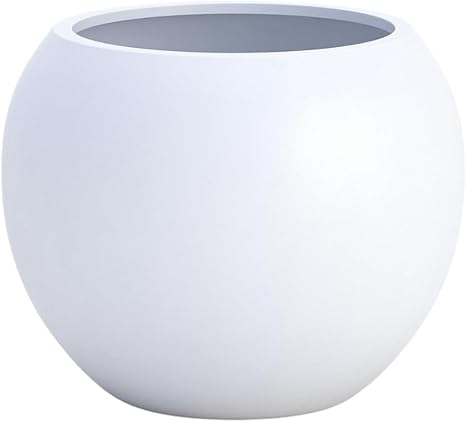
Selecting appropriate containers is crucial for winter gardening success. Containers must be frost-resistant to prevent cracking under freezing temperatures. Materials like heavy-duty plastic, stone, ceramic, or insulated fiberglass are preferred. Here are a couple we like:

Drainage is equally important. Pots should have ample holes and well-draining soil to avoid waterlogging, which can cause root rot when temperatures drop.
Gardeners should also consider container size. Larger pots offer better insulation and protect roots from extreme cold, but smaller pots are easier to move indoors if needed.
Adding insulation, such as bubble wrap or fabric covers around containers, can further protect roots from freezing damage during severe cold spells.
Related: Check Out Our Container Gardening Page
Selecting Suitable Plants for Winter Containers
Choosing the right plants for winter containers involves focusing on those that can endure cold temperatures while maintaining visual interest or productivity. The options range from flowering species that bring color, to edible plants that provide harvests, and to evergreens that add structure and greenery.
Cold-Hardy Flowers and Ornamentals

Cold-hardy flowers such as pansies, hellebores, and ornamental kale tolerate frost and snow while adding vibrant color. These plants often have a natural resistance to freezing temperatures and can last all winter with minimal care.
Ornamental grasses and seed heads provide texture and structure, holding up well during frosts. Selection depends on local climate, but varieties like dusty miller and cyclamen are also proven performers. Regular watering and protection from harsh winds extend their container life.
Best Edible Plants for Winter Containers
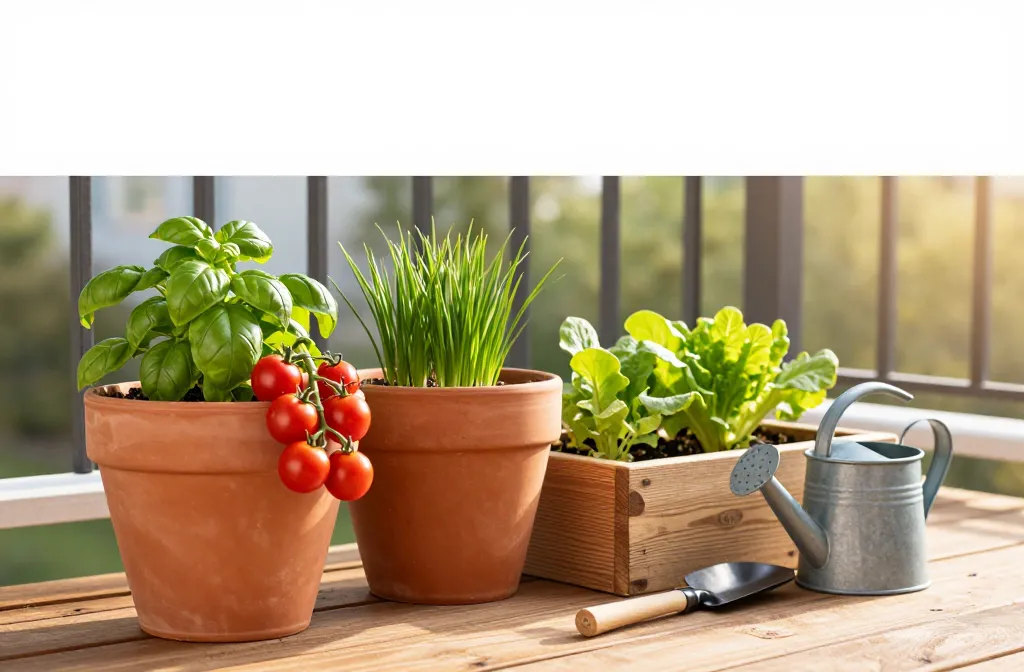
Certain leafy greens perform well outdoors in winter containers. Kale, Swiss chard, and some varieties of spinach withstand cold weather and can provide fresh harvests during colder months. It depends on where you live and what the low temperatures get if you can grow these. In general, if you rarely have temperatures that get well below freezing then you are good to go. But, if you have those really cold nights, it will be difficult, unless you have them in pots on a balcony where you can bring in at night.
Herbs like thyme and rosemary are hardy and aromatic, bringing both garnish and fragrance to winter gardens. Root vegetables like carrots or radishes can also be grown in deeper containers, surviving under mulch or frost cloth.
Evergreens and Foliage Choices

Evergreens such as dwarf conifers, boxwoods, and hollies offer year-round structure and greenery in containers. Their foliage resists winter damage and requires little maintenance besides occasional watering.
Mixing evergreen foliage with berries or colorful stems, like red-twig dogwood, enhances winter container aesthetics. These combinations create visual interest and maintain shape throughout cold seasons.

Soil Preparation and Winter Container Care
Effective winter container gardening depends on optimizing soil conditions, controlling moisture, and providing insulation. Proper attention to these details helps prevent root damage and supports plant health through freezing temperatures.
Soil Mixes and Amendments
A well-draining, nutrient-rich soil mix is essential for winter container plants. Combining standard potting soil with materials like perlite or coarse sand improves aeration and prevents waterlogging. Adding organic matter such as compost supplies slow-release nutrients that sustain plants during dormancy.
Soil should be loose enough to allow root expansion but dense enough to retain some moisture. Avoid heavy garden soil, which compacts and restricts airflow. Adjust the pH to suit specific plant needs, typically neutral to slightly acidic.
Periodic supplementation with slow-release fertilizer before winter can maintain nutrient availability. Keeping soil dry when possible reduces the risk of freeze damage, but a balanced approach prevents roots from drying out completely.
We love this brand, while a little more expensive, it is some of the highest quality you can find:

Drainage and Moisture Control
Proper drainage is critical to avoid ice formation around roots. Containers should have multiple drainage holes. Elevating pots slightly ensures water does not pool underneath.
During winter, watering frequency must be reduced substantially. Soil should be moist but not soggy to minimize root rot risk. Checking soil moisture regularly through finger tests or moisture meters helps maintain the right balance.
Using frost-resistant containers helps prevent cracking caused by water expansion in cold weather. If containers are non-porous, ensuring good drainage and drainage layers like gravel or broken pottery at the bottom can improve moisture control.
Mulching for Cold Protection
The importance of applying mulch over the soil cannot be overstated, especially during cold months. It helps insulate roots and moderates soil temperature fluctuations. Organic mulches such as shredded bark, straw, or pine needles work well to retain warmth and moisture. Or you know all those leaves that most people bag up and throw away? Use them for mulch! Or if you want to buy some great stuff, we love GardenStraw.

Mulch depth should be about 2-3 inches. It limits frost penetration and reduces water evaporation without suffocating roots. Avoid mulch that holds excessive moisture or mats tightly, as this can encourage mold.
In some cases, using a top layer of insulating materials like burlap or horticultural fleece over mulch adds extra protection against extreme cold and wind exposure. Mulching complements container insulation methods and extends plant survival during winter.
Design and Arrangement Tips for Winter Containers

Winter container gardens benefit from thoughtful design choices that maintain interest and structure during cold months. Effective layering, combining colors and textures, and incorporating seasonal decor create containers that remain visually appealing and resilient.
Layering for Visual Impact
Layering creates depth and dimension, making containers look full and dynamic. Start with a structural centerpiece like a small evergreen shrub or dwarf conifer to provide height and shape. Surround this with medium-height plants such as heather or ornamental grasses that add volume without blocking the central plant.
Fill gaps with low-growing ground covers or trailing vines like ivy to soften edges and spill over container rims. Using varying heights and plant forms draws the eye through the arrangement, providing year-round interest. Arrange plants so taller, sturdier species are at the back or center, with shorter ones toward the front.
Color and Texture Combinations
Choosing the right colors and textures prevents winter containers from appearing dull. Evergreens offer rich greens, balanced by bright accents such as red winter berries or silver-gray foliage like dusty miller.
Combine glossy leaves with fuzzy or spiky textures for contrast. For example:
- Glossy holly leaves with bright red berries
- Soft lamb’s ear leaves paired with stiff pine needles
This mix enhances visual appeal while maintaining a natural look. Limited flower options in winter mean relying on leaf color, branch shapes, and berries to create impact.
Seasonal Decorative Elements
Adding non-plant materials brings holiday spirit and texture without requiring replanting. Popular elements include:
- Pine cones
- Twigs or birch branches
- Red or white berries (real or artificial)
- Decorative ribbons or wire lights
Incorporating these items offers contrast and a festive feel. Use waterproof ornaments that can withstand snow and frost. Arrange decorations sparingly to avoid overshadowing plants, aiming for balance between natural and ornamental features.
Maintenance and Problem Solving in Cold Weather
Keeping container plants healthy during winter requires specific watering practices, root protection measures, and pest management tactics. Attention to these elements helps prevent damage from freezing temperatures and ensures plants survive the season intact.
Watering Techniques in Winter
Watering frequency should decrease in winter, typically to once every 1-2 weeks. Soil moisture must be checked before watering; containers dry out slower in cold weather but can still become too dry. Overwatering can lead to root rot, so only water when the top inch of soil feels dry.
Use lukewarm water instead of cold water to avoid shocking the plants. Water early in the day to allow moisture absorption before temperatures drop at night. For containers with poor drainage, excess water should be removed to prevent freezing damage.
Protecting Roots from Freezing
Roots are vulnerable to freezing because container walls expose soil directly to cold air. Insulating pots with materials like bubble wrap, burlap, or foam can reduce temperature fluctuations. Positioning containers close to walls or under overhangs creates a microclimate offering extra warmth.
Choosing larger pots also helps, as more soil volume buffers against rapid temperature changes. Adding mulch on top of the soil in pots further stabilizes root temperature. Elevate pots off cold surfaces with feet or bricks to prevent freezing from below.
Managing Pests and Diseases
Cold weather does not eliminate all pests; some like spider mites and fungal pathogens remain active. Inspection of plants regularly is essential, with removal of dead leaves to reduce disease risk. Use dormant sprays on woody plants before winter to control overwintering insects.
Good air circulation prevents mold and mildew, so avoid overcrowding containers. If pests appear, apply winter-safe, systemic insecticides carefully as many beneficial insects are dormant. Maintaining plant health through proper watering and sanitation reduces vulnerability to infestations.