

Hydroponic grow pods using coco coir offer a practical and efficient way to cultivate plants without soil. This growing medium supports healthy root development while retaining moisture and providing good aeration. Using coco coir in grow pods allows you to maintain better control over water and nutrient delivery, creating ideal conditions for plant growth. You can easily set up hydroponic systems with these pods, which are often pre-filled with a mix of coco pith and fiber. This setup is not only beginner-friendly but also environmentally sustainable since coco coir is a renewable resource. Whether you’re growing herbs, vegetables, or flowers, these pods give you a clean and manageable option for hydroponic gardening. This article is all about how to use them and some good options you can buy to get started.
Understanding Hydroponic Grow Pods
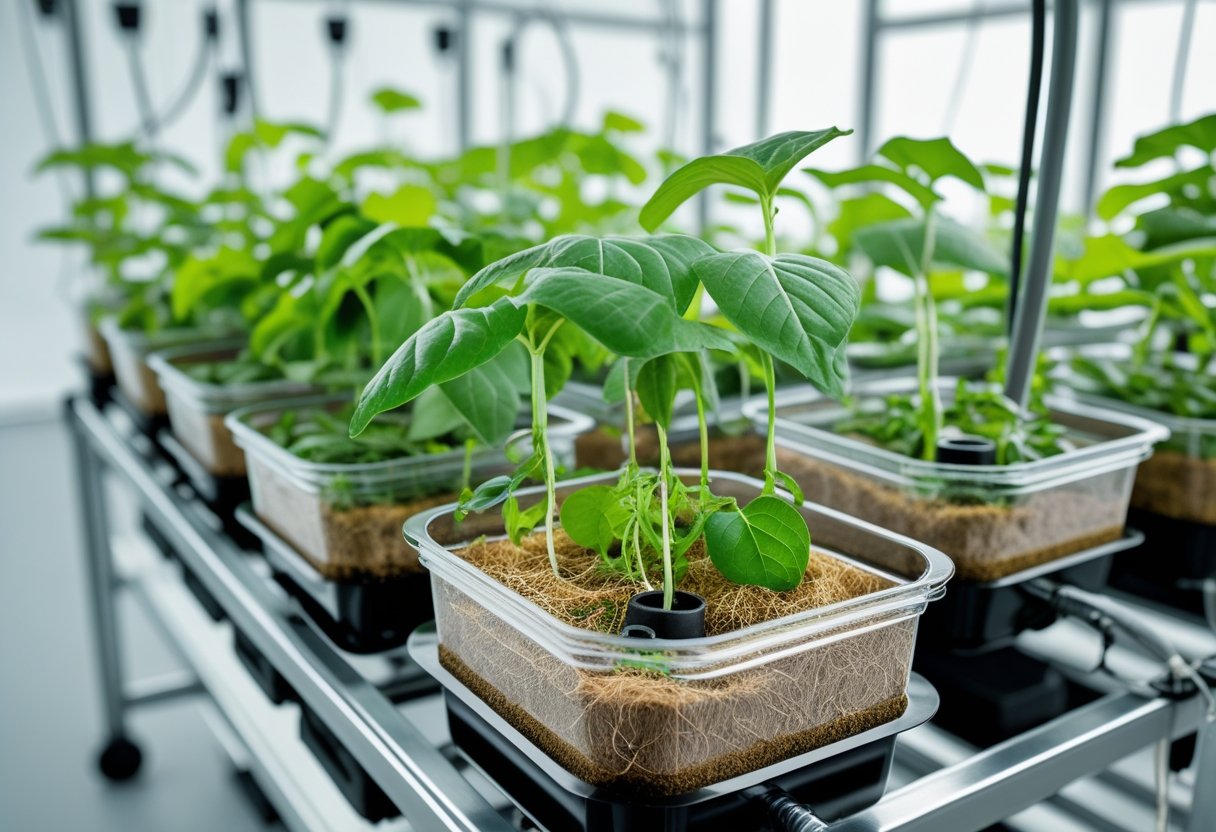
Hydroponic grow pods provide a controlled environment that supports seed germination and early plant growth by delivering precise moisture and nutrients. Their design focuses on optimizing conditions such as aeration, water retention, and nutrient availability for efficient hydroponic cultivation.
Definition and Components
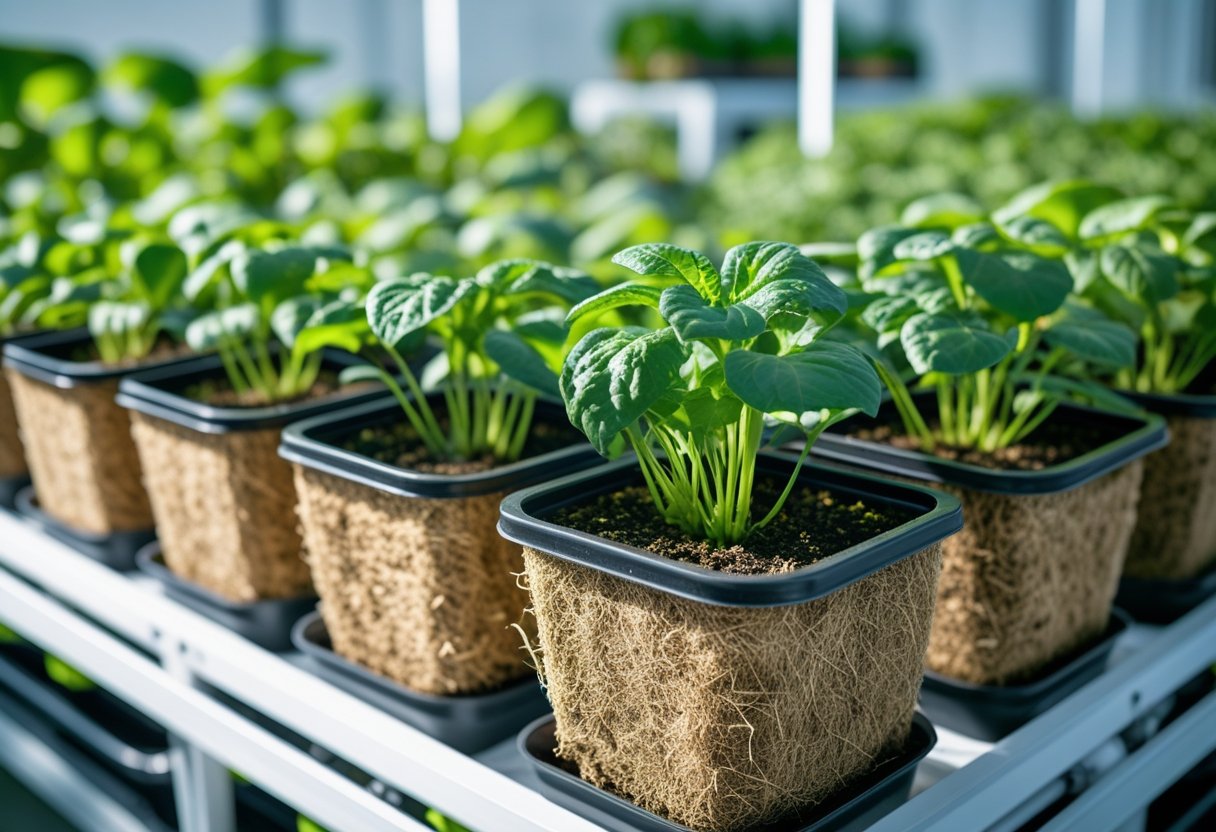
Hydroponic grow pods are compact, self-contained units designed to house seeds or seedlings in a soilless medium. Typically, these pods combine a biodegradable casing with a specialized growth medium like coco coir, which balances moisture retention and aeration.
The components usually include:
- Outer shell: Often made from peat, paper, or biodegradable polymers to support root growth.
- Growing medium: Commonly coco coir, known for its water retention and pH stability.
- Nutrient interface: A system to evenly deliver water and nutrients directly to roots.
These pods facilitate easy transplantation since you can move the whole pod into a hydroponic system, minimizing root disturbance.
Comparison With Traditional Hydroponic Systems
Unlike traditional hydroponic setups, which use loose growing mediums or inert substrates like rock wool or perlite, grow pods integrate the medium within a contained unit. This makes handling seedlings cleaner and reduces setup time.
Traditional systems often require manual placement of seeds or plants in trays or channels. Grow pods simplify this by providing a ready-to-use seed-starting environment, enabling more consistent moisture and nutrient conditions from the start.
Additionally, grow pods help reduce the risk of damaging delicate seedlings during early stages, which can happen in open traditional hydroponic trays.
Benefits of Using Grow Pods
Grow pods offer several advantages. First, they promote rapid germination due to optimized moisture and aeration conditions, especially when combined with coco coir’s water-retentive properties.
You also get cleaner, less messy handling and easier transplanting, as seedlings remain in their pods rather than loose media. This helps reduce transplant shock and root damage.
Another benefit is uniform nutrient delivery, which enhances early root development and overall plant health. Grow pods can improve your hydroponic system’s efficiency by normalizing seedling growth rates, leading to better crop uniformity.
For deeper insights on pod composition and benefits, see hydroponic seed pods and their role in hydroponic systems.
Coir as a Hydroponic Medium
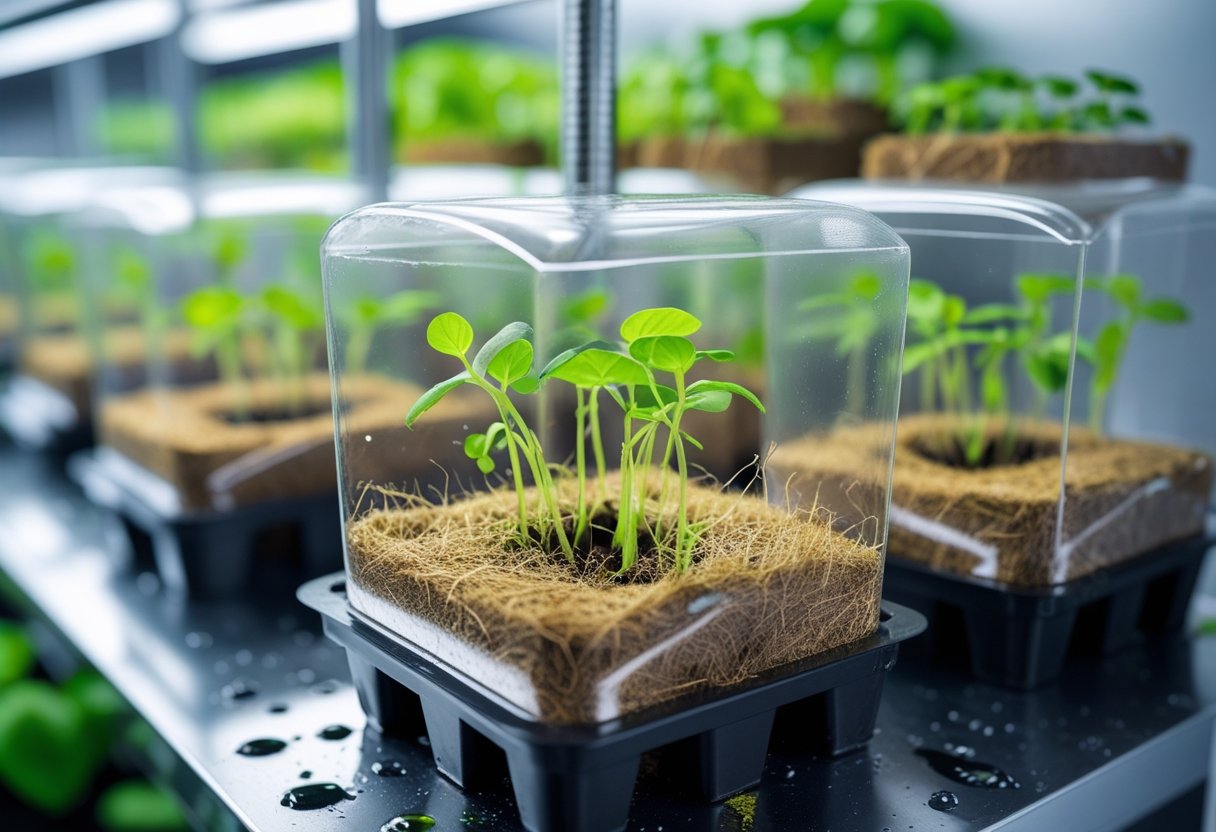
Coir is an adaptable growing medium with qualities that support efficient water retention, aeration, and root health. Its preparation, types, and benefits make it a strong choice for hydroponic grow pods where managing moisture and nutrients precisely is key.
What Is Coir?
Coir is a natural fiber sourced from the outer husk of coconuts. It is made primarily from the tough fibers between the coconut shell and the seed. This material is processed into various forms such as loose fibers, chips, or compressed bricks for easier handling.
Unlike soil, coir is pH neutral to slightly acidic, making it suitable for many plant types. It does not contain pathogens or weed seeds, which reduces the risk of contamination in your hydroponic system. Being renewable and biodegradable, coir offers an environmentally responsible alternative to synthetic media.
Advantages of Coir for Hydroponics
Coir excels at holding water while maintaining good airflow to some extent. This balance helps prevent root rot and promotes healthy growth by ensuring roots receive enough oxygen and moisture.
Compared to rockwool or perlite, coir is more sustainable and less prone to compaction over time. It also buffers nutrients well, making it easier to maintain stable pH and nutrient levels. Additionally, coir supports beneficial microbes, which can enhance root development and disease resistance.
Its versatility allows it to be used alone or mixed with other media to customize drainage and moisture retention.
If you are needing ideas for a system, Vivosun is a great one to start with. Here is a starter kit:

Related: Check Out Our Indoor Gardening Page
Preparing and Conditioning Coir
Before use, coir must be rehydrated as it often comes compressed in bricks or blocks. Soak the coir in clean water for several hours until it loosens and expands fully.
Many commercially available coir products contain excess salts. You should rinse or flush it multiple times to remove these salts and avoid nutrient imbalances that could harm your plants.
Conditioning coir sometimes includes adjusting pH to the 5.5–6.5 range, optimal for most hydroponic crops. Proper preparation also involves ensuring the medium is evenly moist but not waterlogged prior to planting.
Common Grades of Coir
Coir is available in different grades based on fiber length and processing. These include:
- Fine Coir: Used for seed starting or as part of a potting mix, offers high water retention but less aeration.
- Medium Coir: The most versatile grade, balancing moisture retention and airflow, suitable for most hydroponic crops.
- Coir Chips/Chunks: Larger pieces that provide excellent drainage and aeration, often mixed with finer coir or other media.
Choosing the correct grade depends on your plant species, watering schedule, and grow pod setup. Blending coir grades can also optimize conditions for root health and nutrient delivery.
You can learn more about preparing and using coco coir in hydroponics in a detailed complete guide.
Integrating Coir Into Hydroponic Grow Pods
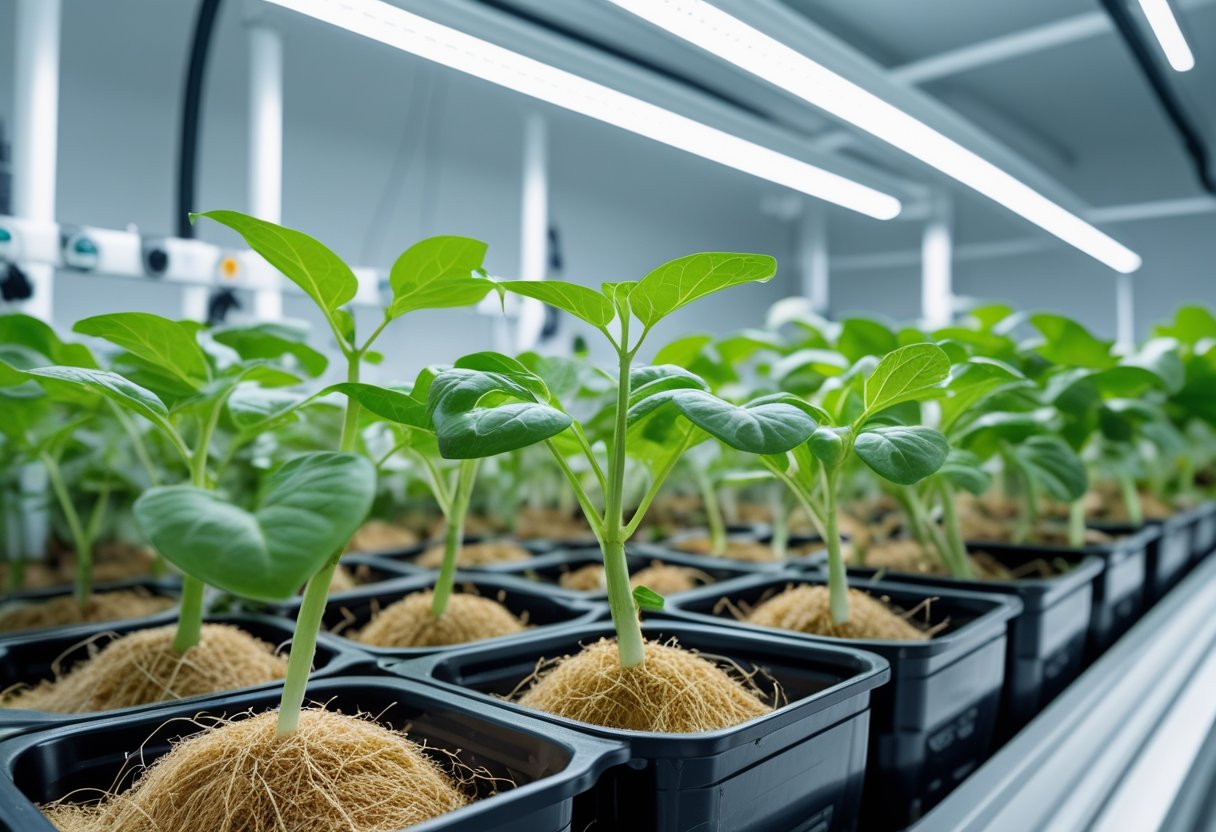
When using coir in hydroponic grow pods, you need to focus on proper pod filling, maintaining the right balance of moisture and airflow, and considering how to combine coir with other materials for best results. Each step affects root health and nutrient uptake directly.
Best Practices for Filling Pods With Coir
Start by choosing high-quality, well-processed coir that is free of salts and contaminants. Before filling, rinse and soak the coir to remove any residual salts and ensure it’s fully hydrated but not waterlogged.
Fill the pods loosely to avoid compacting the coir, which can reduce aeration. Press the coir gently, just enough to hold shape but still allow root expansion. Avoid overfilling as excess compression restricts oxygen flow.
Using pre-expanded coir bricks or blocks makes portion control easier. You can break these down to fit the pod size evenly. Ensure the coir is consistent in texture throughout the pod to promote uniform root growth.
Optimal Moisture and Aeration Levels
Maintain moisture content in the coir at about 60-70% saturation. Coir retains water well, but it needs to stay aerated to prevent root rot and encourage healthy root respiration.
Check moisture frequently by touch or with a moisture meter; coir should feel damp but not soggy. Adjust watering cycles to keep roots moist without saturation.
Aeration is equally important. Because coir naturally holds water and air, you avoid the extremes found in soil. Still, ensure your grow pods have adequate drainage or airflow designs to prevent excess water buildup.
Combining Coir With Other Substrates
Mixing coir with substrates like perlite or vermiculite can improve drainage and aeration further. A common ratio is 70% coir with 30% perlite, which enhances oxygen availability while retaining moisture.
Using a blend can also stabilize the structure of the growing medium, preventing compaction over time. This is valuable for longer grows or multiple crop cycles.
You can also amend the mix with organic matter or nutrients as needed, but always test compatibility, since coir naturally holds nutrients differently compared to soil. Adjust your nutrient solution accordingly for optimal uptake.
For detailed preparation and setup, check out this complete guide on coco coir hydroponics.
Top Products

When choosing coco coir for your hydroponic grow pods, quality and consistency matter. You want a product that offers excellent water retention, aeration, and pH balance to support healthy root development.
Here are three top options:
1. FoxFarm Natural Coco Coir
This product is well-aerated and retains moisture efficiently, making it suitable for smaller grow pods and larger hydroponic systems alike. It is pre-washed to remove excess salts, ensuring nutrient uptake is not hindered. You can get it here.

2. Canna Coco Professional Plus
Known for its buffering capacity and stable pH, this coco coir is a favorite among hydroponic gardeners. It supports excellent drainage while maintaining moisture, helping prevent root rot or overwatering issues. Check it out here.
CANNA COCO is an organic product with a homogenous structure, free of chemical additives, harmful viruses and soil diseases.

3. Happy Trees Coco-Coir
This coir is triple washed and buffered and enhanced with beneficial microbes, which can improve nutrient absorption and root health in your grow pods. It’s a practical choice if you want a boost in growth performance without complicated preparation steps. More details can be found here.

Using any of these products can provide a reliable medium for your hydroponic grow pods, allowing efficient water retention and root aeration essential for robust plant growth.
Plant Selection for Coir-Based Grow Pods
Choosing the right plants for coir-based grow pods is crucial for success. Various crops respond differently to coir’s unique properties, especially regarding root growth and nutrient requirements. Understanding these factors helps you maximize yield and plant health.
Ideal Crops and Varieties
Coir works well with leafy greens like lettuce, spinach, and kale because it maintains moisture while providing good drainage. Herbs such as basil, cilantro, and parsley also thrive due to coir’s aeration and water retention balance. Fruiting crops like strawberries and tomatoes can succeed but usually need careful nutrient management.
For best results, choose fast-growing, compact varieties that cope well with soilless media. Avoid plants with excessively large or deep root systems, which may struggle in limited pod space. Selecting crops adapted to consistent moisture levels and frequent feeding will improve your grow pod’s productivity.
Root Development in Coir
Coir supports strong root development by offering excellent oxygen flow while retaining moisture. Its fibrous structure prevents root compaction and allows roots to spread naturally. This environment encourages healthy root hairs that are critical for nutrient absorption.
Because coir holds water efficiently, you must monitor watering carefully to avoid over-saturation. Roots can suffocate if the medium stays too wet, affecting plant health. Additionally, coir’s neutral pH encourages balanced nutrient uptake, so roots can access nutrients effectively when provided in correct concentrations.
Potential Limitations
Although coir is versatile, it has some limitations you should consider. It has a tendency to retain salts, so regular flushing is necessary to prevent buildup that can harm plants. You may also need to supplement calcium and magnesium, as coir often lacks these naturally.
Coir’s nutrient-holding capacity is lower compared to soil, so precise nutrient management is critical. If your plants have high nutrient demands, frequent monitoring and adjustment of the nutrient solution are required. Finally, certain crops with deep, extensive roots may not perform optimally because the grow pod’s size restricts root expansion.
For more details on nutrient management, see this guide for using coco coir in hydroponics.
Maintenance and Troubleshooting
Maintaining hydroponic grow pods with coco coir requires consistent attention to nutrient levels, root health, and environmental conditions. Effective management prevents growth issues and keeps your system running smoothly.
Preventing Salt Build-Up
Salt build-up in coco coir results from accumulated nutrients that coco naturally holds due to its cation exchange capacity. To minimize salt accumulation, flush the coir periodically with pH-balanced, clean water. This helps dissolve excess salts and prevents root damage.
Regularly check the electrical conductivity (EC) of your nutrient solution to monitor salt levels. Aim to keep EC within the optimal range for your plants, usually between 1.2 and 2.5 mS/cm depending on growth stage. Adjust nutrient concentration accordingly.
Avoid overfeeding nutrients or using hard water, as these increase salt concentration. Also, consider rinsing new coir thoroughly before use to reduce any residual salts. These steps protect roots from toxicity and maintain balanced nutrient availability.
Pest and Disease Considerations
Although coco coir is naturally resistant to many soil-borne pests and diseases, you should still monitor your hydroponic grow pods regularly. Common issues include fungal pathogens, root rot, and mold growth, which thrive in overwatered or poorly aerated conditions.
Maintain proper aeration and moisture levels in the coir to reduce disease risk. Avoid waterlogging and provide good drainage. Use clean water and sterilize tools to prevent contamination.
If pests like fungus gnats appear, manage them by introducing beneficial nematodes or sticky traps. Prevent fungal diseases by controlling humidity, ensuring airflow, and applying safe fungicides only when necessary, being careful to follow recommended dosages.
Reusability and Disposal of Coir
You can reuse coco coir in hydroponic systems but must prepare it properly between cycles. After harvesting, rinse the coir thoroughly with water and mild hydrogen peroxide or a diluted bleach solution to eliminate pathogens and residual salts.
Dry the coir completely before reuse to prevent mold. Test EC to ensure salt levels are safe for new crops. Replace coir if it becomes compacted, has poor aeration, or shows signs of persistent contamination.
For disposal, coco coir is biodegradable and eco-friendly. Compost it if free of chemicals or contaminants, or dispose of it as organic waste. Avoid discarding coir with chemical residues directly into natural water sources to prevent environmental impact.
For detailed preparation advice, see the guide on how to prepare coco coir for hydroponics from General Hydroponics Guide.