

If you’ve got those annoying little gnats flying around your house plants, there is a decent chance you have fungus gnats. And, if you’re like me, then they drive you crazy and you want to know what it takes to get rid of them. Well, what if I told you beneficial nematodes offer a natural and effective solution to control these pests. Nema what??? I had the same question too when I came across some research. Nematodes specifically target the larvae in the soil, killing them and disrupting a gnats life cycle without harming your plants or beneficial insects. This method is especially useful because it addresses the problem at its source, below the soil surface where fungus gnat larvae live. If you’re interested so far, read on as this post is all about using nematodes for fungus gnats.
Understanding Fungus Gnats
Identifying Fungus Gnats
Before we get to the n word (nematodes!), lets talk about what fungus gnats actually are. Fungus gnats are small insects often found around indoor plants. They thrive in moist soil and can cause damage to plant roots and overall health. Knowing how to spot them, understand their life cycle, and recognize the harm they cause is essential for effective control. They are tiny flies, about 1/8 inch long, with slender black bodies and long legs. You may notice them flying around your plants, especially near soil surfaces. Their adults do not bite, but their larvae live in the soil where they feed.
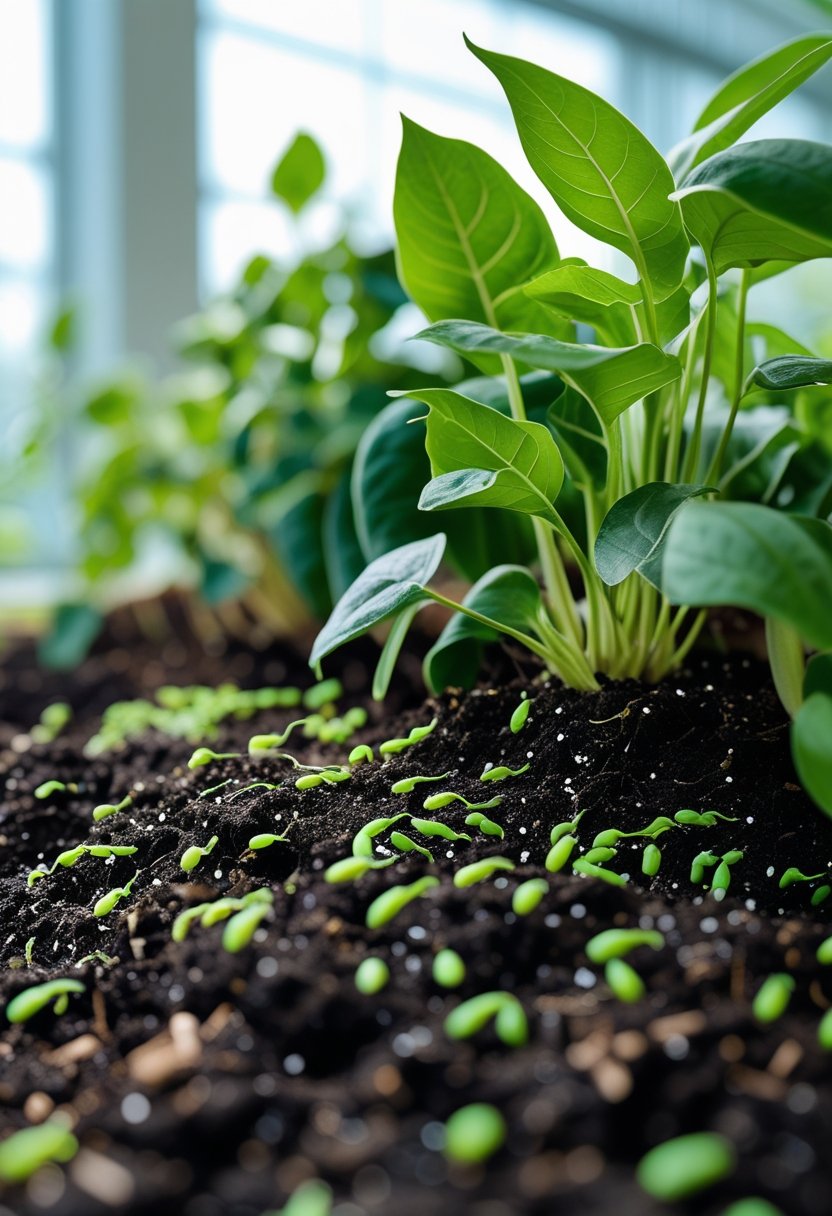
The larvae are translucent, white or pale, with black heads. They can be difficult to see unless you closely examine the moist topsoil. Adult fungus gnats are mainly a nuisance, but their presence indicates potential larvae in the soil, which are more harmful.
Life Cycle of Fungus Gnats
Fungus gnats complete a full life cycle in about 3 to 4 weeks, depending on temperature and moisture. The adult female lays eggs in moist soil, often near decaying organic matter or fungi.
Larvae hatch within a few days and feed on fungi, decaying matter, and sometimes healthy plant roots. This stage lasts for about 10 to 14 days before pupation. Pupae develop in the soil for several days before emerging as adults to start the cycle again.
Moist, frequently watered soil creates the ideal conditions for their reproduction and growth, making watering habits a key factor in managing infestation.
Damage Caused by Fungus Gnats
The main damage comes from larval feeding on plant roots, particularly young and tender roots. This weakens the plant’s ability to absorb water and nutrients, resulting in yellowing leaves, stunted growth, and sometimes wilting.
Heavy infestations can cause root rot by creating wounds where pathogens enter. Seedlings and young plants are especially vulnerable and may fail to establish if gnats infest early.
Adults mostly cause annoyance and can spread fungi and plant pathogens, but the real threat is the larval stage feeding inside the soil.
How Nematodes Control Fungus Gnats
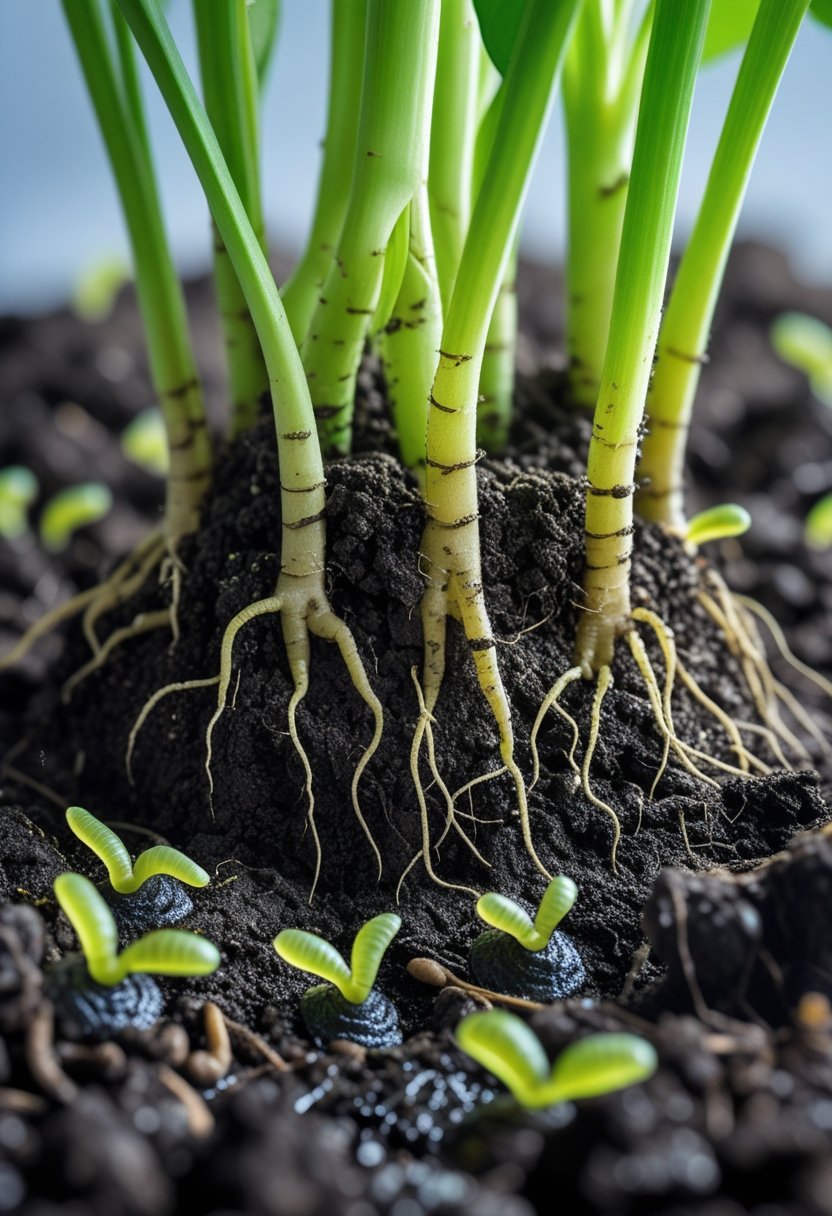
This is where nematodes come into play. These work by directly attacking fungus gnat larvae in the soil. They enter the larvae and release bacteria that kill the pests from inside. This targeted action makes nematodes a precise and effective biological control option.
Types of Nematodes for Fungus Gnat Control
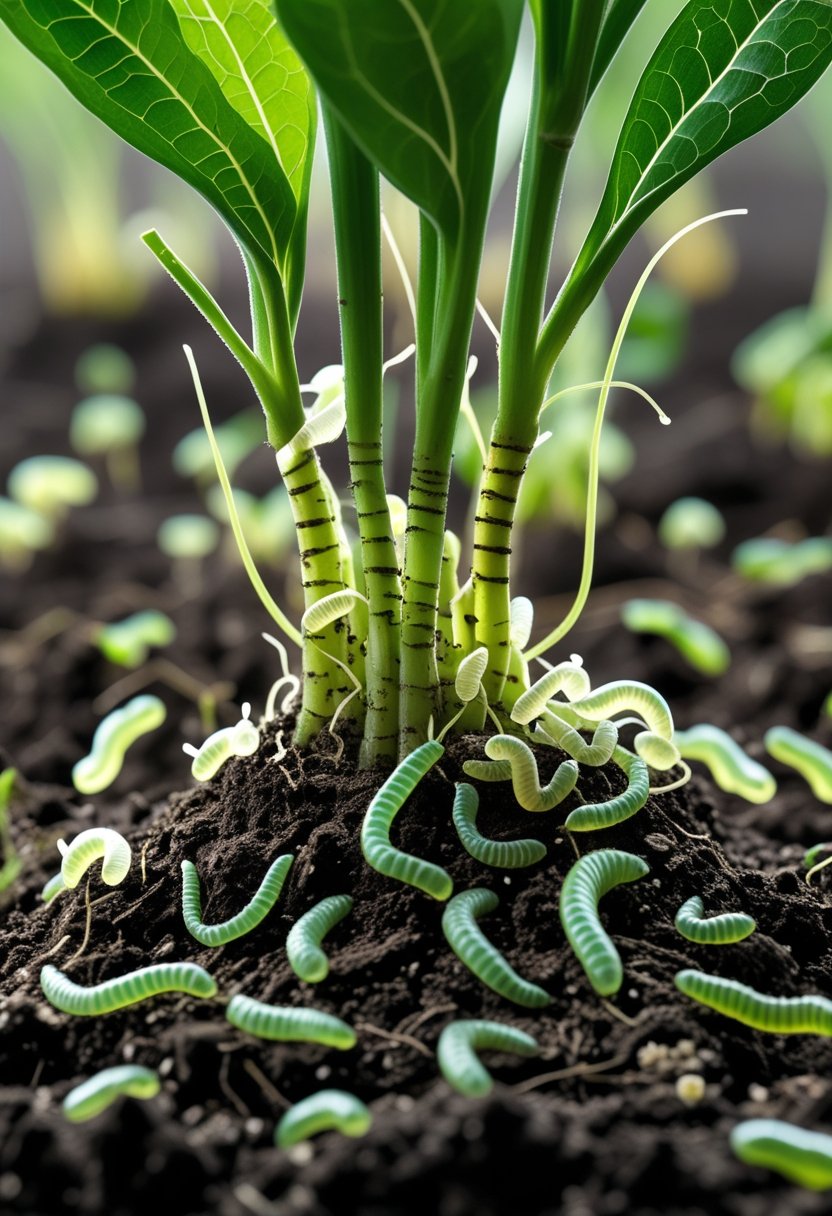
You can find different nematode species designed specifically to target fungus gnat larvae in soil. Each species varies in effectiveness, application methods, and environmental tolerance. Understanding these differences helps you choose the right nematode for your needs.
Steinernema feltiae Overview
Steinernema feltiae is the most widely used nematode for controlling fungus gnats. (Don’t worry, we have some products listed down below so you dont have to worry about this) It actively seeks out and infects the larvae in the soil, releasing bacteria that quickly kill the host. This species is effective in greenhouse, nursery, and indoor plant settings.
It performs best in moist environments with temperatures between 50°F and 86°F (10°C to 30°C). You apply it as a water suspension directly to the growing medium, where it multiplies and can offer ongoing control after a few treatments.
S. feltiae is favored for its specificity; it targets fungus gnats without harming beneficial insects or plants. For best results, apply it early, ideally at planting or when you first notice fungus gnat activity.
Other Nematode Species
While Steinernema feltiae is preferred, other insect-parasitic nematodes like Heterorhabditis bacteriophora exist but are generally less effective against fungus gnats. These species target different pests and thrive under varied conditions.
Some nematodes sold commercially may offer broader pest control but might not establish long-term populations in your soil like Steinernema feltiae. Before selecting another species, check whether it specifically targets fungus gnats and fits your environmental conditions.
Always apply nematodes in water to the potting mix or soil surface to ensure proper movement toward the larvae. Use integrated methods, combining nematodes with good watering practices and monitoring for improved control.
Applications of Nematodes

Nematodes can be an effective biological control tool when used correctly. You need to consider where to apply them, how to prepare them, the timing for best results, and the appropriate application methods. Each of these factors influences how well nematodes control fungus gnats.
Can You Use Nematodes Indoors?
Thankfully, yes, nematodes are suitable for indoor use, especially in potted plants and container gardens. They target fungus gnat larvae in the soil without harming plants, people, pets, or beneficial insects.
Be mindful that nematodes work best in environments with stable temperatures, generally between 50°F and 85°F (10°C to 29°C). Extremely hot or cold conditions may reduce their effectiveness.
Preparing Nematodes for Use
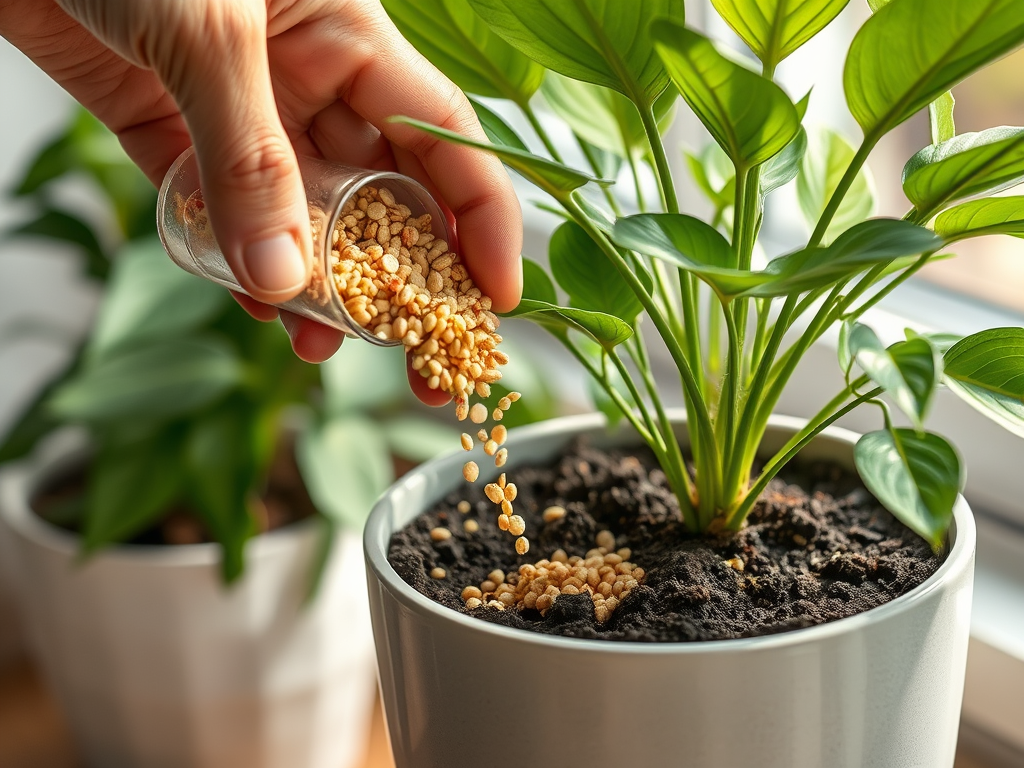
Nematodes usually come in a dormant, refrigerated state, often in granular or gel form. Before application, you need to hydrate them by mixing with water following the manufacturer’s instructions.
Use clean, chlorine-free water to avoid killing nematodes. Once mixed, apply the solution promptly—usually within a few hours—for maximum viability.
Keep the suspension well aerated and shaded during preparation to protect nematodes from sunlight and heat, which can damage them.
Timing for Effective Application
Apply nematodes in the early stages of fungus gnat infestation, focusing on larval stages in the soil. Early treatment prevents adult emergence and further reproduction.
Maintain consistent application intervals, typically every two weeks, until control is achieved. Repeat applications replenish nematode populations and improve long-term control.
Apply to moist soil, ideally during cooler parts of the day such as early morning or late afternoon, to reduce stress on nematodes and improve survival rates.
Methods of Applying Nematodes
The most common method is soil drenching, where you thoroughly saturate the soil with the nematode solution to reach all larvae.
You can also use sprenching, a combination of spraying and drenching, on soil surfaces or plant containers for better coverage.
Ensure even application across the entire soil surface to avoid untreated patches where larvae can survive. Use low-pressure sprayers or watering cans that do not damage nematodes.
Avoid applying nematodes with strong chemicals or fertilizers, as these can reduce their effectiveness.
Optimal Conditions for Nematode Success
To maximize nematode effectiveness against fungus gnats, attention to specific environmental factors is essential. Maintaining proper soil moisture and temperature supports nematode survival and activity. Additionally, minimizing exposure to light and managing overall environmental conditions increase their pest-control impact.
Soil Moisture and Temperature
Nematodes require consistently moist soil to move and locate fungus gnat larvae. Dry soil inhibits their mobility and reduces survival rates. Keep the growing medium damp but not waterlogged to balance oxygen availability and nematode activity.
Ideal soil temperatures range between 50°F and 85°F (10°C to 29°C). Below 50°F, nematode metabolism slows, limiting their ability to seek hosts. Temperatures above 85°F can kill them or reduce effectiveness quickly. Applying nematodes during stable temperature periods helps maintain their viability in the root zone.
You should water plants before nematode application to ensure soil moisture is adequate. Avoid heavy watering afterward to prevent nematodes from being washed away or soil becoming overly saturated.
Light and Environmental Factors
Nematodes are sensitive to ultraviolet (UV) light, which can kill them rapidly when exposed above soil. For this reason, apply nematodes in the early morning, late afternoon, or on cloudy days to reduce UV exposure.
They also prefer shaded or covered growing environments, such as greenhouses or covered beds, to protect against drying out and sunlight. High humidity benefits nematode survival by preventing desiccation.
Use a fine spray to apply nematodes evenly across the soil surface. Avoid applying them on windy days, as wind dries out the soil and nematodes. Adjust your application timing and techniques to maintain the best environmental conditions for nematode activity and longevity.
Where to Buy and Store Nematodes
You can purchase beneficial nematodes from various reliable sources, both online and in physical stores. Popular garden centers, such as Home Depot, often carry nematode products, offering options for in-store pickup or free shipping. Online retailers like Amazon provide a wide selection, including brands like Environmental Factor’s NemaKnights and ARBICO Organics’ broad spectrum nematodes.
Here are a few recommended products to consider:
| Product Name | Target Pests | Purchase Link |
|---|---|---|
| Environmental Factor NemaKnights | Fungus gnats, thrips, whiteflies | Amazon – NemaKnights |
| ARBICO Organics Beneficial Nematodes | Grubs, fungus gnats, fleas | ARBICO Organics |
| NEMAforce™ SF | Fungus gnat larvae | NEMAforce™ SF |


Proper storage is essential to preserve nematode viability. Store them in the refrigerator at temperatures between 40°F and 50°F (4°C to 10°C). Avoid freezing or exposing them to high heat, as extreme temperatures can kill the nematodes.
Use the nematodes within the manufacturer’s recommended time frame, usually within two weeks of receiving them. Keep them in their original packaging or a sealed container to maintain moisture until you’re ready to apply.
Limitations and Challenges
Nematodes require proper soil moisture and temperature to survive and move effectively. Dry or very cold soil conditions can reduce their efficacy, so you need to monitor environmental factors before and after application.
Their effectiveness may vary depending on the species of nematode you choose, with Steinernema feltiae generally being more effective against fungus gnats than others. Also, they primarily control larvae, so you may need additional measures to manage adult gnats.
Repeated applications might be necessary in heavily infested areas. You should also ensure nematodes are stored properly and used within their shelf life to maintain their potency.
Integrating Nematodes Into Pest Management
To effectively control fungus gnats, you need to target multiple stages of their life cycle and maintain consistent efforts. Using nematodes alongside other pest control methods enhances overall effectiveness. Regular applications and proper timing are essential for sustained control.
Combining Nematodes with Other Controls
Nematodes work best when combined with chemical or cultural controls. You can apply nematodes through drip irrigation or soil drenching to kill larvae in the soil. Pairing nematodes with insecticides or biological agents lets you target both larvae and adults, reducing gnat populations more rapidly.
When selecting insecticides, avoid broad-spectrum products that harm beneficial insects, including nematodes. Instead, choose safer options compatible with nematodes to prevent disrupting their effectiveness.
Using traps or reducing excess moisture complements nematode treatments. These methods reduce adult populations and breeding grounds, making nematode applications more efficient. Scheduling nematode applications every few weeks helps maintain control without harming the ecosystem in your indoor garden.
Long-Term Gnat Prevention Strategies
Consistent nematode application is key for long-term fungus gnat management. You should repeat treatments every 2-4 weeks during active infestation periods, as nematodes naturally decline over time.
Keep the growing medium moist but not waterlogged. Excess moisture encourages gnats, so proper watering reduces larval habitat and supports nematode survival.
Integrate cultural controls like removing decaying organic matter and improving drainage. These steps limit fungal growth that attracts gnats and helps reduce their food source.
Using nematodes as part of an integrated pest management strategy allows ongoing, low-risk suppression of fungus gnats in your plants. This approach minimizes chemical inputs and preserves beneficial insects in your system.