
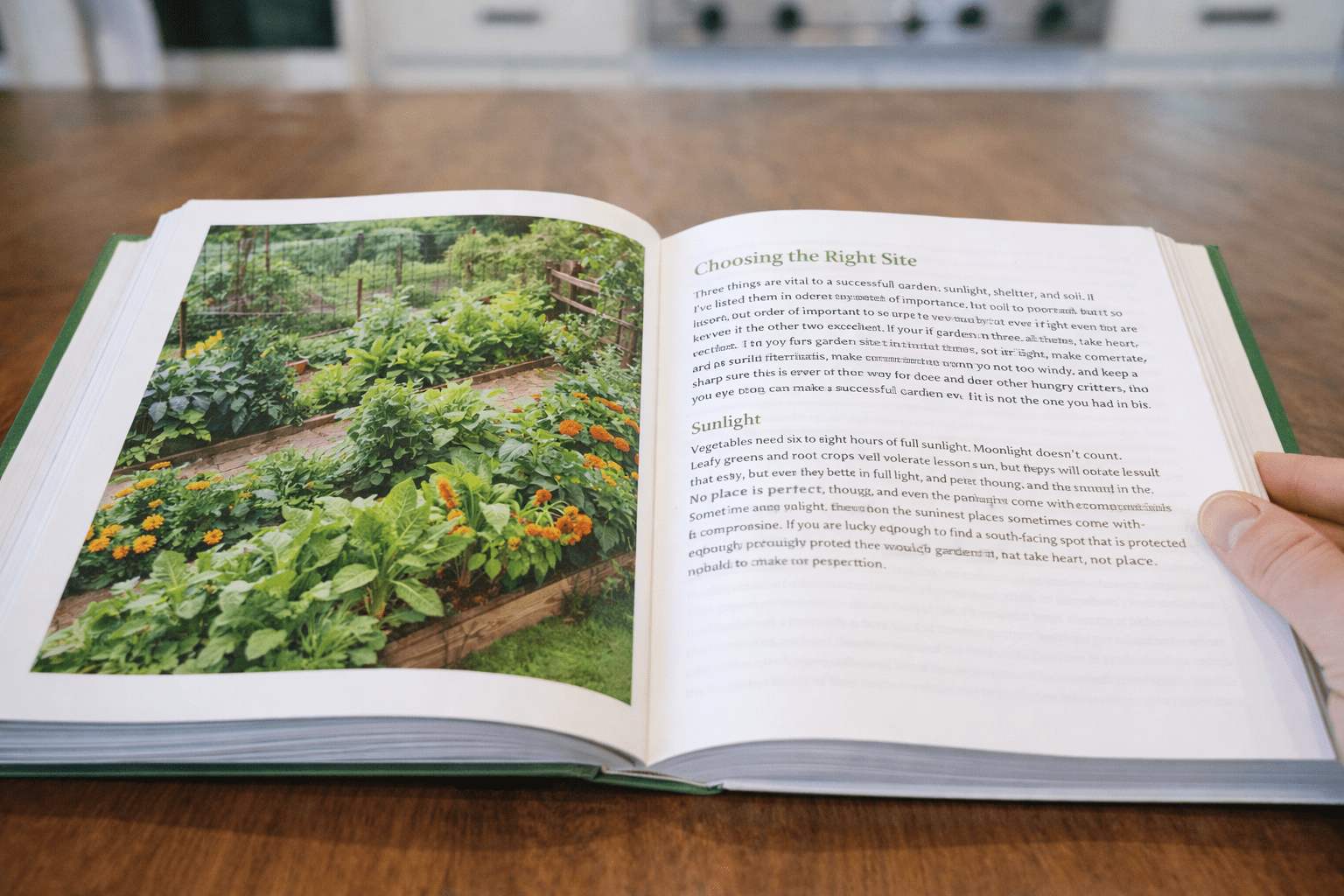

It’s either starting to warm up outside, or you’re daydreaming about it being warm in the winter. The thought comes across your head: “maybe I should try a garden this year.” But you don’t know where to start and want to learn from the best. You need the right guides. Not the kind that guilt-trip you with Latin names and 47-step compost rituals. The best beginner gardening books teach you the “why,” make you laugh a little, and help you keep something, anything, alive. Let’s dig into the titles that actually deliver.
How to Pick a Beginner-Friendly Gardening Book
Some books read like textbooks. Others feel like chatting with a neighbor who just hands you a tomato seedling and says, “You got this.” You want the latter. Focus on books with clear photos, seasonal checklists, and beginner vocabulary.
- Local relevance matters: Look for books with regional advice or adaptable tips for your climate zone.
- Step-by-step guides: Diagrams, month-by-month tasks, and plant-by-plant instructions help a ton.
- Beginner tone: If it makes you feel dumb, bail. Your first garden needs cheerleaders, not critics.
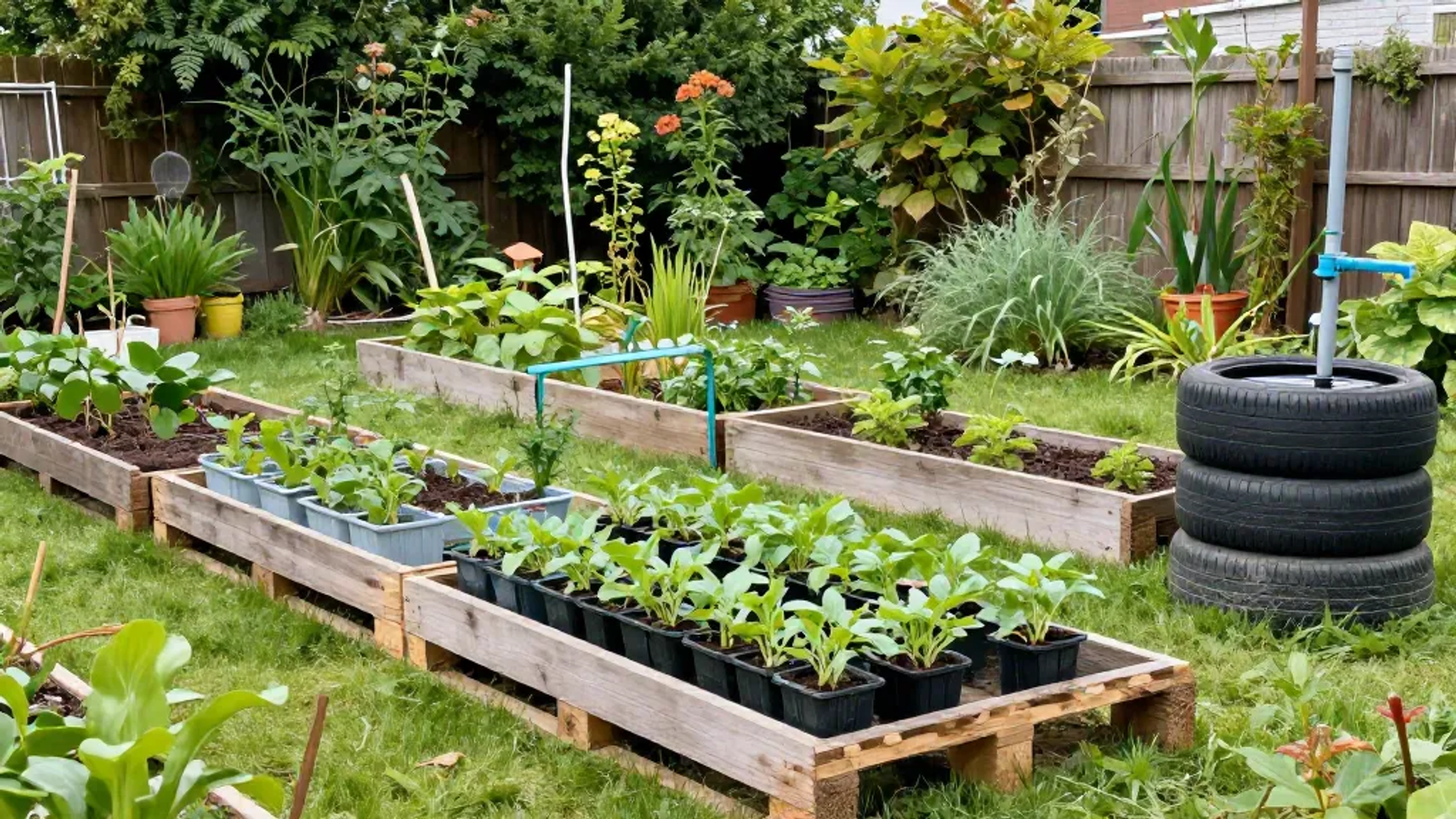
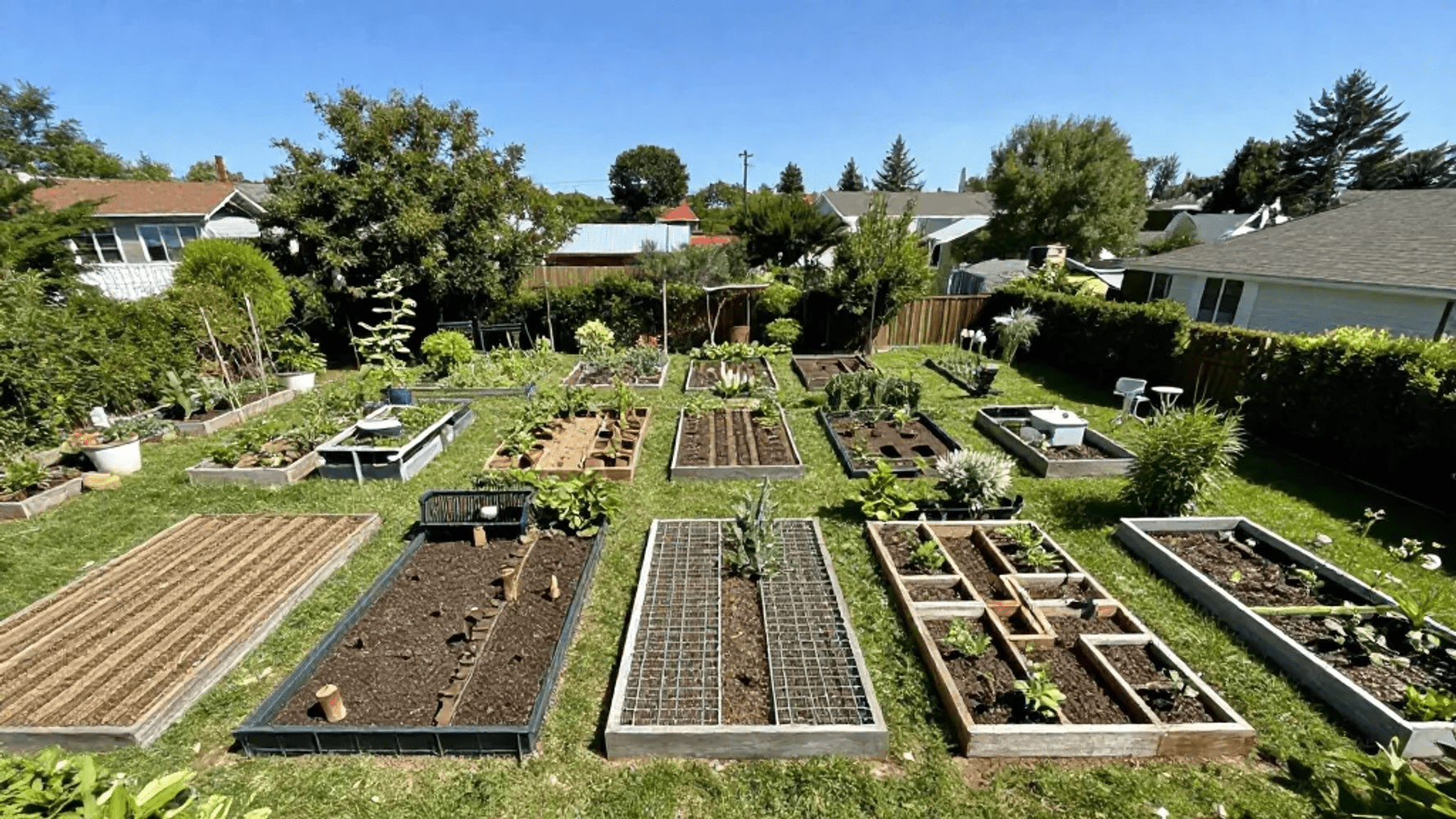
- Practical projects: Raised beds, container gardens, and easy soil tests give you quick wins.
The Shortlist: Best Gardening Books for Absolute Beginners
Want the greatest hits list? Start here. These books explain the basics without drowning you in jargon or expensive gear.
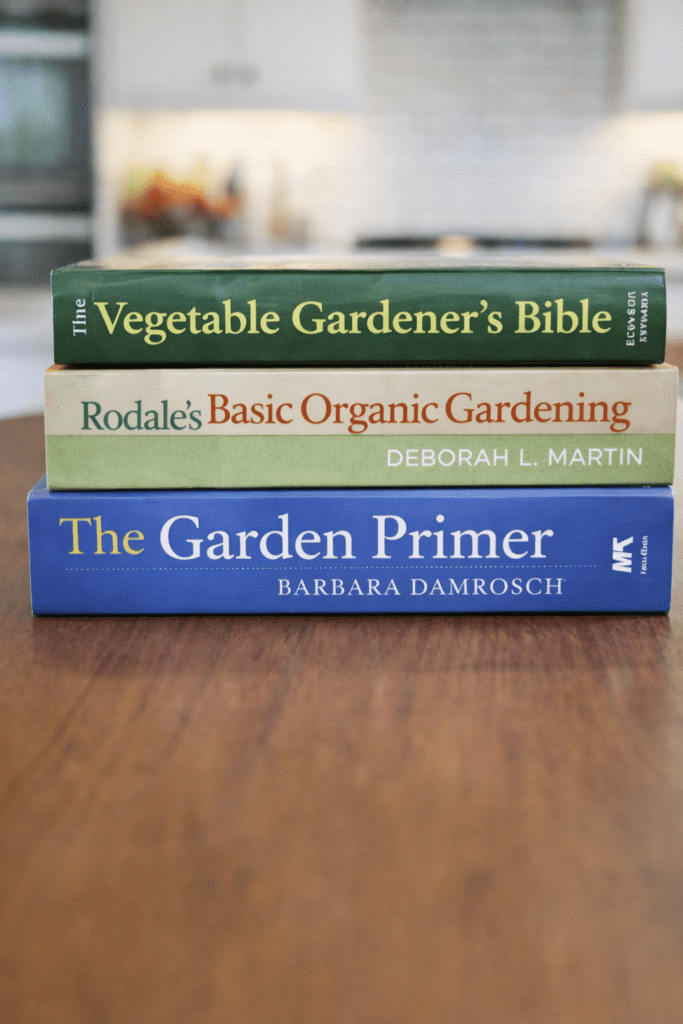
- “The Vegetable Gardener’s Bible” by Edward C. Smith: A rock-solid crash course on soil, spacing, and simple organic techniques. Great for raised beds and people who want food, not fuss.
- “Rodale’s Basic Organic Gardening” by Deborah L. Martin: Clear Q&A format, friendly tone, and straight answers on compost, pests, and watering. FYI: It’s like the internet, but reliable.
- “Grow a Little Fruit Tree” by Ann Ralph: If fruit trees feel intimidating, this book shrinks the task (and the trees). You’ll learn pruning that keeps trees manageable and productive.
- “Epic Gardening: Growing Food” by Kevin Espiritu: Super approachable, modern, and ideal for small spaces and containers. It’s like a cool friend teaching you gardening basics, IMO.
- “The Garden Primer” by Barbara Damrosch: A friendly encyclopedia you’ll actually read. It covers everything—soil, seeds, ornamentals—and keeps it beginner-safe.
- “Floret Farm’s Cut Flower Garden” by Erin Benzakein: Want drool-worthy blooms? This book shows you how to plan by season and create bouquets that don’t flop.


Books That Teach You Soil, Sun, and Other Boring (But Critical) Stuff
Great gardens start underground. You don’t need a lab coat, but you do need soil basics and sun sense. These picks keep it practical.
- “Teaming with Microbes” by Jeff Lowenfels & Wayne Lewis: A fun gateway into soil life. You’ll stop overwatering and start feeding the soil instead of the plant. Magic ensues.

- “Growing Vegetables West of the Cascades” by Steve Solomon: Targeted to the Pacific Northwest, but the soil-first mindset helps everywhere. Focus on fertility, spacing, and climate nuance.
Quick-Start Soil Tips
- Do the squeeze test: Grab a handful. If it forms a tight ball, add compost; if it falls apart like sand, add compost. Yes, compost always wins.
- Mulch early: Keep moisture in and weeds out with straw, leaves, or wood chips around perennials.
- Skip the rototiller (mostly): Gentle aeration and organic matter beat soil destruction. Your worms will thank you.
City, Balcony, and Small-Space Gardening Books
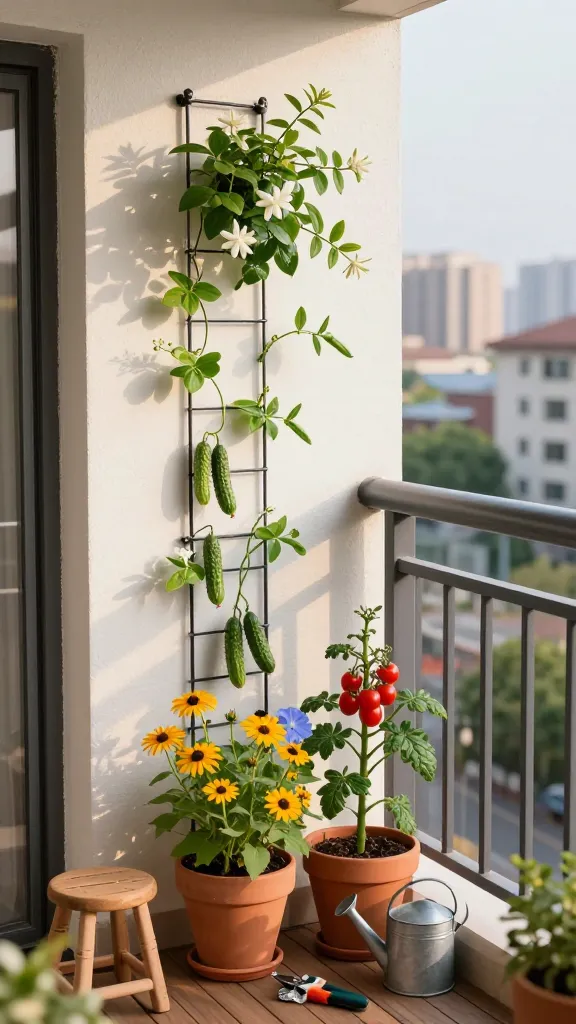
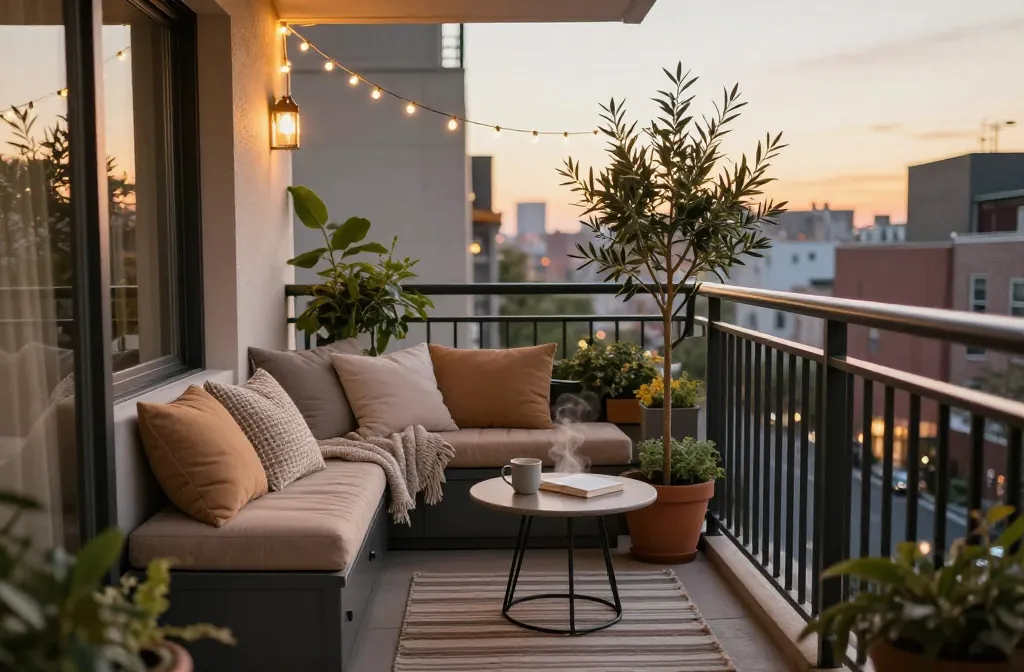
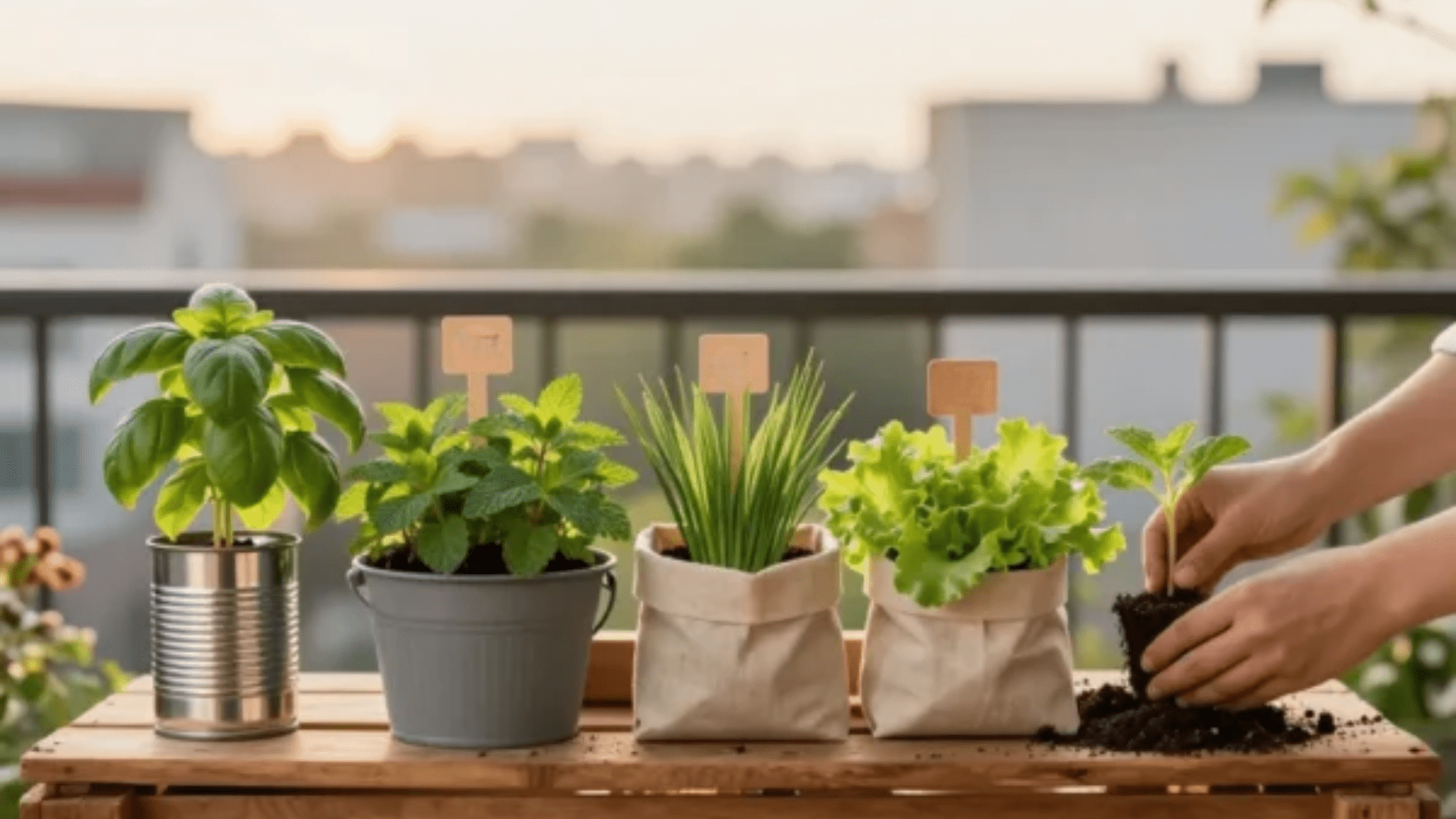
No yard? No problem. Containers and vertical growing can feed you just fine. You’ll just water a bit more and choose compact varieties.
- “The Vegetable Gardener’s Container Bible” by Edward C. Smith: Clear, specific, and totally beginner-friendly for patios and balconies.
- “Vertical Gardening” by Derek Fell: Great if you want beans and cucumbers to climb instead of sprawling everywhere like teenagers on a couch.
Starter Plants for Containers
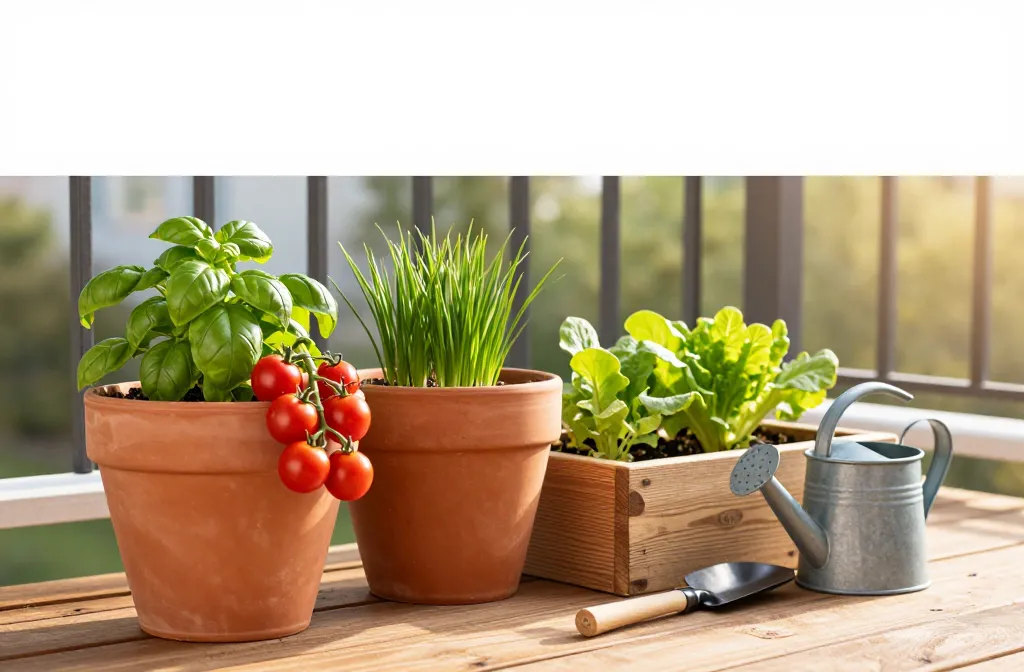
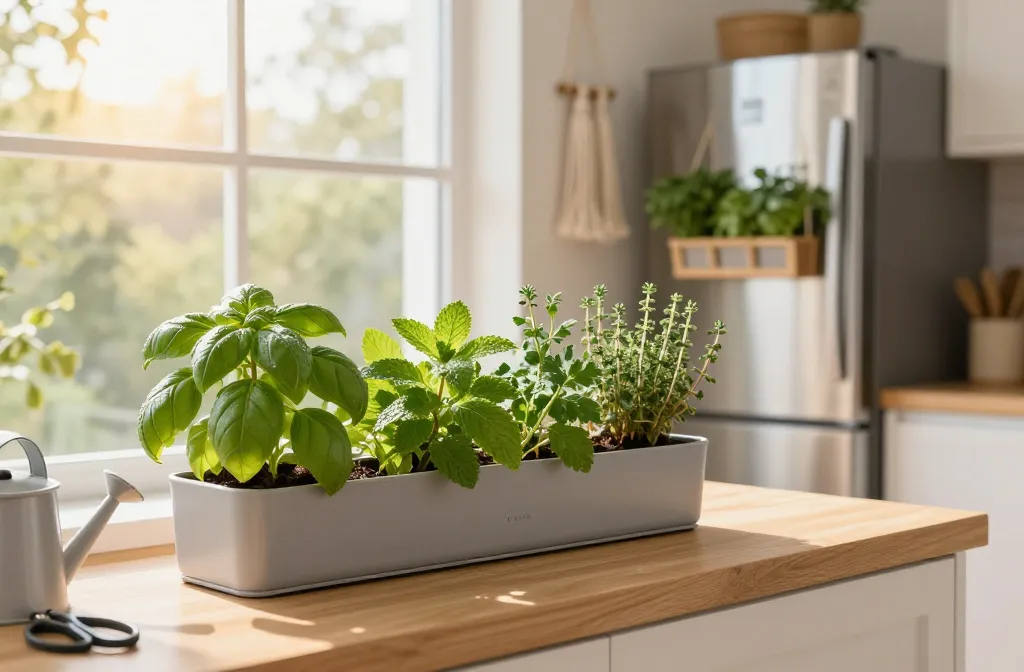
- Herbs: Basil, mint (in its own pot, trust me), chives, parsley.
- Greens: Lettuce mixes, arugula, spinach—fast and forgiving.
- Compact veggies: Cherry tomatoes, bush beans, patio peppers.
Companion Planting, Pests, and Keeping Your Sanity
You’ll meet pests. You’ll also meet plant buddies that help you out. These books make sense of the chaos and keep sprays to a minimum.
- “The Vegetable Gardener’s Guide to Permaculture” by Christopher Shein: Gentle intro to companion planting, guilds, and beneficial bugs without going full homestead.
- “The Well-Tempered Garden” by Christopher Lloyd: Witty, opinionated, and confidence-building. Not a pest manual per se, but it helps you think like a gardener, which solves a lot.
Beginner Pest Playbook
- Identify first: Don’t nuke the aphids if ladybugs already moved in. Watch before you act.
- Barriers beat sprays: Row covers, collars for cutworms, and copper tape for slugs in containers.
- Healthy plants resist: Right plant, right place. Sun, spacing, and watering make 80% of problems disappear, IMO.
If You Love Flowers: Easy Wins and Gorgeous Beds
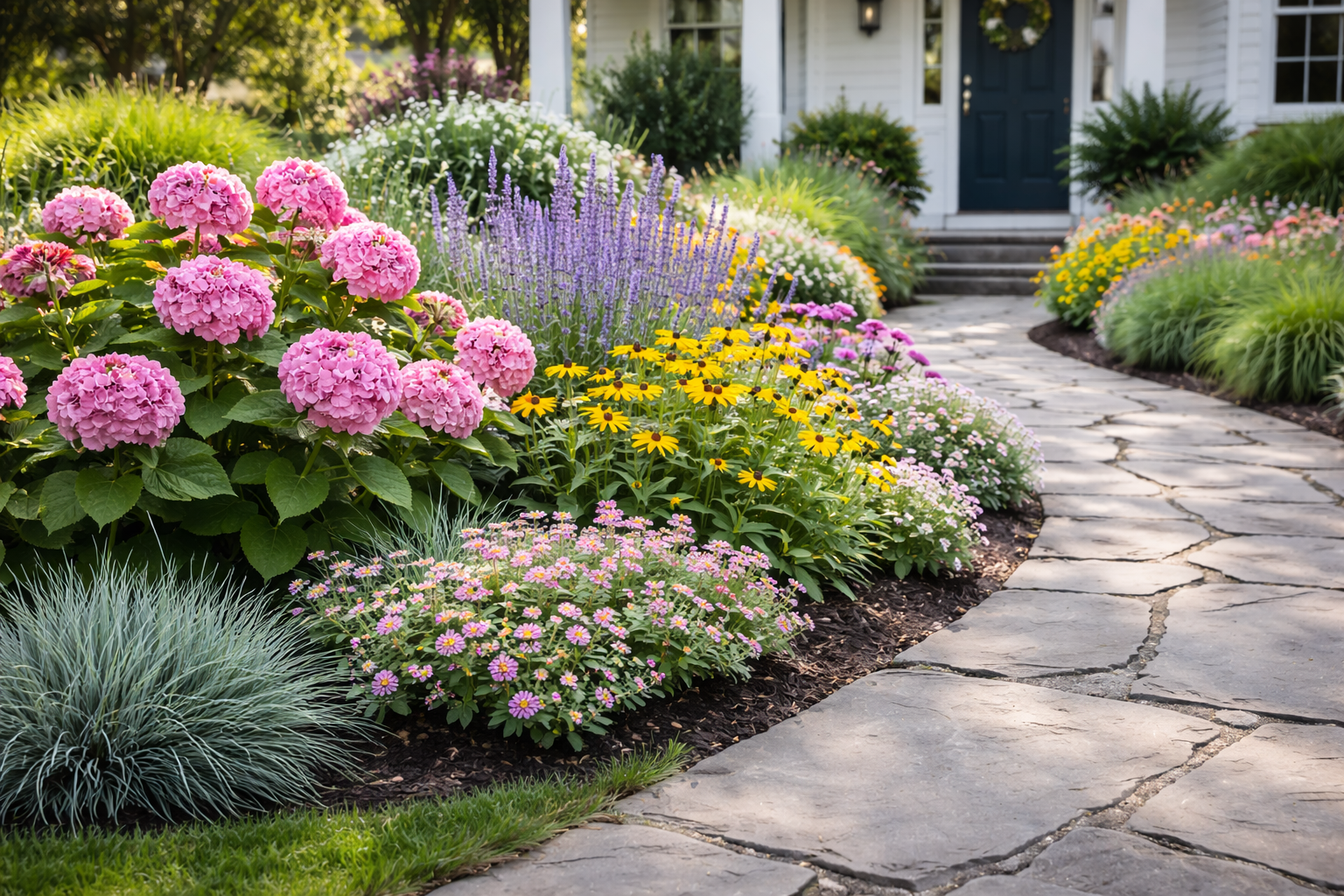
Flowers attract pollinators, impress neighbors, and make you feel like a wizard. Start with easy perennials and annuals that don’t sulk.
- “The Flower Gardener’s Bible” by Lewis and Nancy Hill: Straightforward, colorful, and practical for design and maintenance basics.
- “Cut Flower Garden” by Floret (again): Seasonal planning and bouquet tips you can actually pull off. You’ll accidentally become the flower friend.
Foolproof Bloomers
- Perennials: Coneflower, black-eyed Susan, catmint, salvia.
- Annuals: Zinnias, marigolds, cosmos, sunflowers.
- Bulbs: Daffodils and alliums. Plant once, reap smiles for years.
Planning Your First Season Without Melting Down
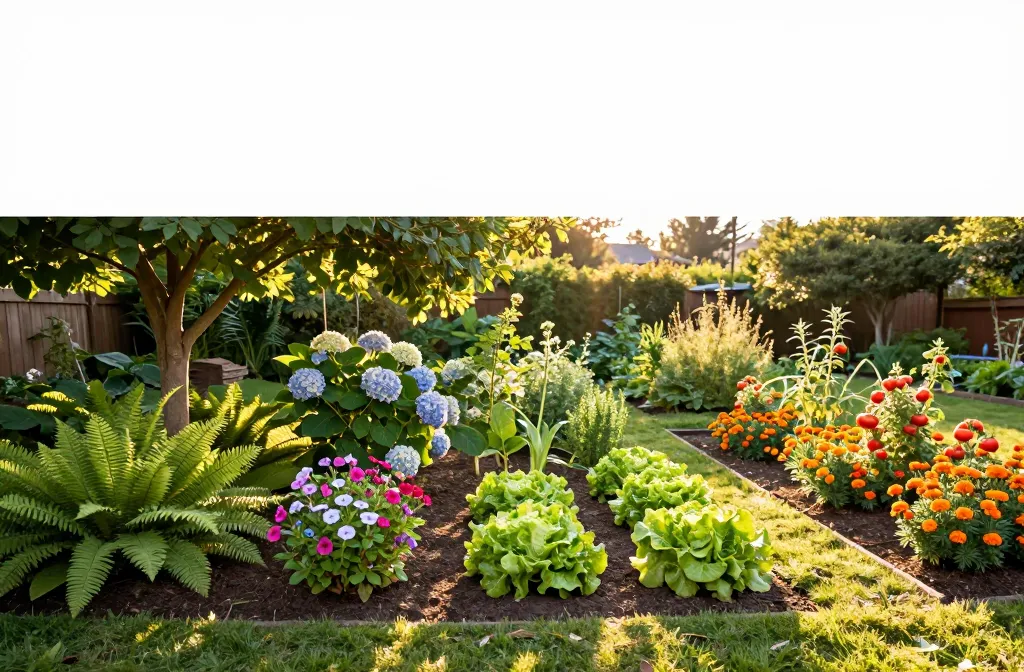
Overwhelm kills more gardens than frost. Start small, plan your space, and commit to consistent care. Ten minutes a day beats weekend warrior chaos.
- Sketch your space: Sun path, hose access, and where you walk. Avoid planting where you’ll step.
- Pick 5–7 crops max: Choose what you eat weekly. Lettuce + herbs = big wins fast.
- Stagger plantings: Plant a little every 2–3 weeks for constant harvests.
- Set reminders: Water, fertilize lightly, and check for pests. Your phone can be your garden brain.
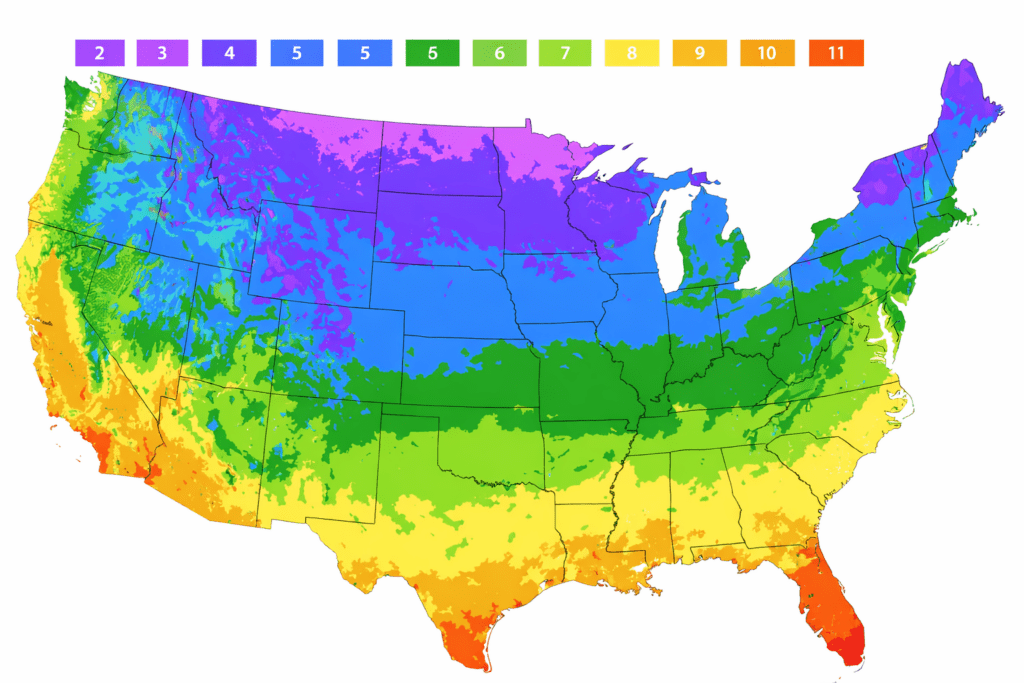
- Know your zone: Checking out the growing zone map (above) will help you plan things better
Beginner Toolkit (No Fancy Stuff Required)
- Hand trowel and pruners: Keep them sharp, and you’ll feel like a pro.
- Watering wand or long-spout can: Aim for soil, not leaves. Mornings rule.
- Soil test kit: Even a basic one helps you pick fertilizers wisely.
- Mulch and compost: The peanut butter and jelly of healthy gardens.
FAQs
What’s the single best beginner book if I only buy one?
“The Vegetable Gardener’s Bible” gives you the most bang for your buck. It covers soil, layout, pests, and plant-by-plant care with straightforward advice. You can build a whole first season from it.
How do I know my climate zone and why does it matter?
Search for your USDA Plant Hardiness Zone using your ZIP code. It tells you what survives winter and when to plant. Pick books and plant lists that match your zone to avoid heartbreak and dead lavender.
Is organic gardening harder for beginners?
Nope. Organic just means you focus on soil health, smart plant choices, and prevention instead of quick-fix sprays. It usually costs less and works better long-term. Your future self (and the bees) will cheer.
Can I grow vegetables without a yard?
Yes. Start with containers, good potting mix, and compact varieties. Tomatoes, peppers, lettuce, and herbs crush it in pots. Just water more consistently and feed lightly every few weeks.
What’s the easiest mistake to avoid?
Overcrowding. Give plants space and sunlight, and they’ll reward you. Jam them together and you’ll get mildew, pests, and therapy bills. Read the spacing guides—then actually follow them, FYI.
Should I start with seeds or seedlings?
For beginners, use seedlings for tomatoes, peppers, and many herbs. Start seeds directly for peas, beans, radishes, and many greens. Mix and match to save time and reduce frustration.
Conclusion
You don’t need a horticulture degree to grow something amazing—you just need the right guides and a little consistency. Grab one or two of these books, pick a small project, and start. Plants want to grow. Give them decent soil, enough sun, regular water, and a gardener who shows up. The rest? You’ll learn along the way, IMO—and you’ll eat better, too.